Argentina, Brazil, Paraguay and Uruguay had hoped they would on Saturday finally ink a deal to create the world’s largest free trade area, alongside European Commission chief Ursula von der Leyen.
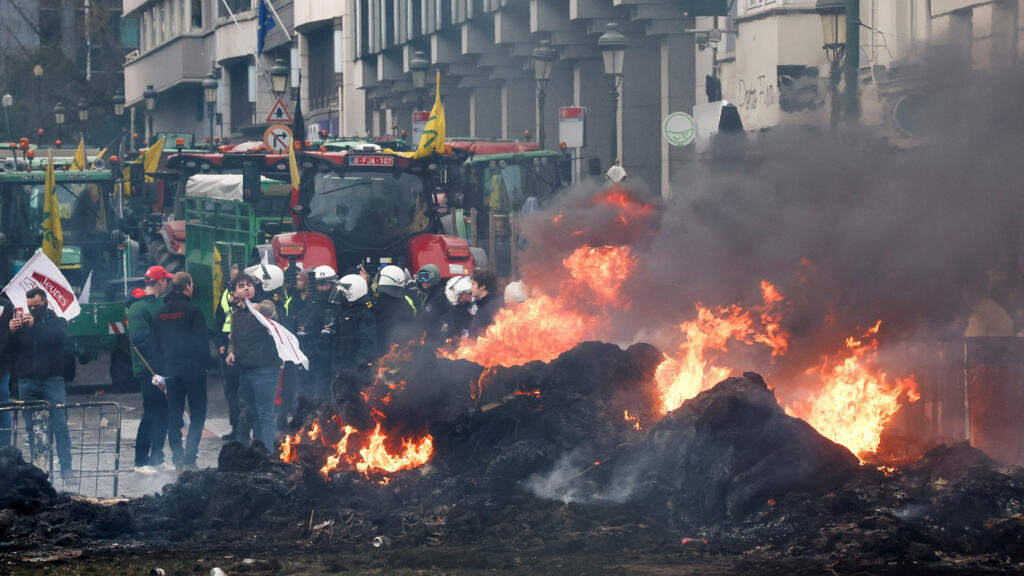
However the deal which has been under negotiation for more than 25 years met with fierce opposition from farmers, notably in France and Italy, and has now been postponed to January.
The deal would help the 27-nation European Union export more vehicles, machinery, wines and spirits to Latin America at a time of global trade tensions.
In return, it would facilitate the entry into Europe of South American meat, sugar, rice, honey and soybeans.
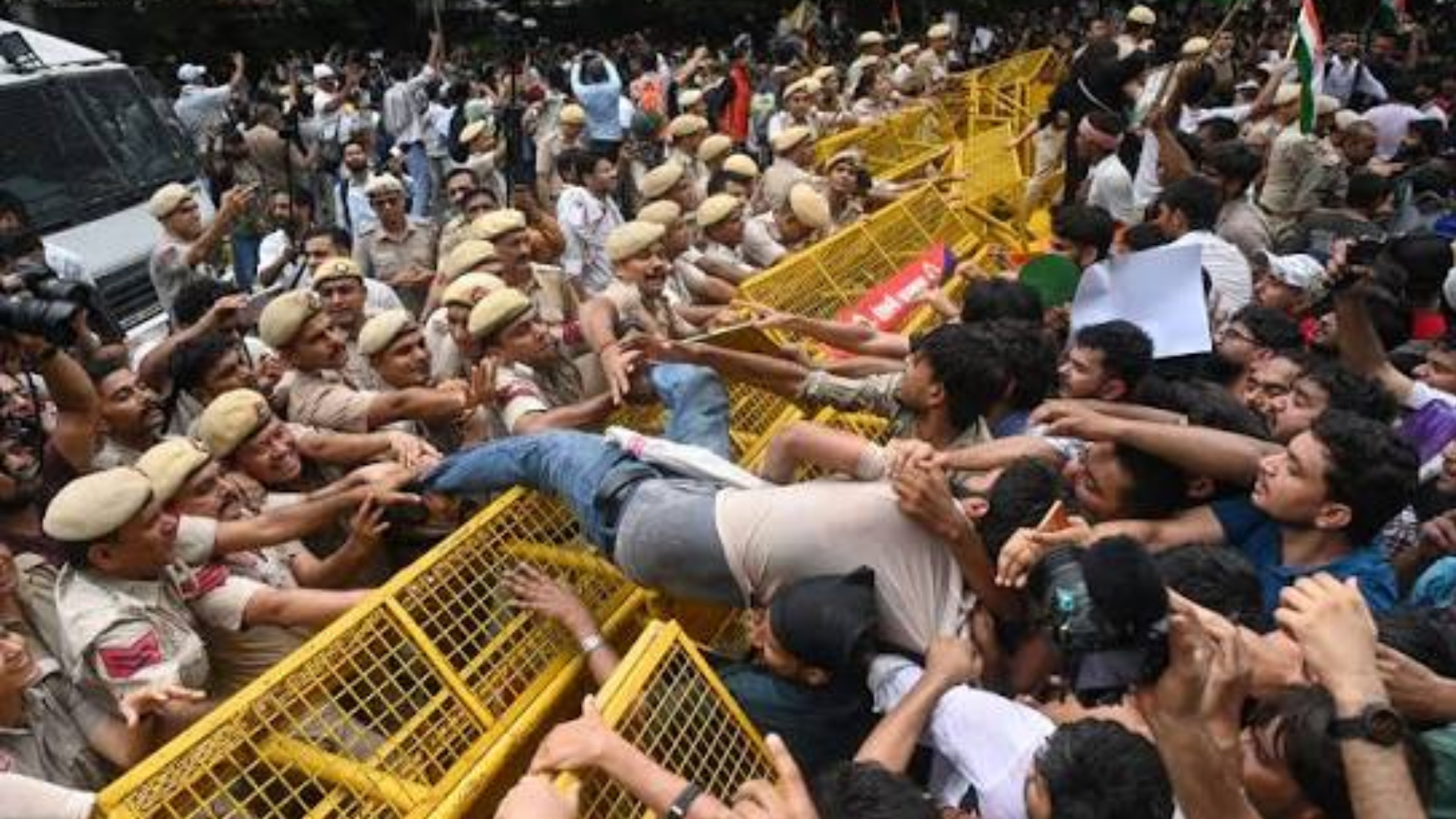
This has alarmed farmers in Paris and Rome who seek more robust protections amid fears they will be undercut by a flow of cheaper goods from agricultural giant Brazil and its neighbors.
Brazil’s President Luiz Inacio Lula da Silva — whose country holds the rotating presidency of Mercosur — initially warned the EU to sign the deal now or forget it while he was in power.
However, he said Thursday that Italian Prime Minister Giorgia Meloni had asked him for “patience” and indicated Rome would eventually be ready to sign.
After a summit of EU leaders in Brussels on Friday, French President Emmanuel Macron said it was “too soon” to say if Paris would back the deal next month, saying fundamental changes to the text were needed.
But EU chief Ursula von der Leyen declared she was confident the bloc would approve the deal next month.
A Brazilian government source told AFP that “safeguard clauses” are provided for in case agricultural markets are destabilized.
However, “in French public opinion, there are things that go beyond rational considerations that are preventing the signing” of the deal.
The Mercosur meeting starts Friday with ministerial talks before heads of state meet on Saturday, including Argentina’s libertarian President Javier Milei.
Milei sparked controversy this week with an Instagram post showing a map of South America depicting Brazil and other left-governed nations as a massive slum, while Argentina and Chile — which just elected a far-right leader — are shown as futuristic.
jss/app/lg/fb/md