Ugandan opposition leader and presidential candidate Robert Kyangulani popularly known as Bobi Wine has revealed a contingency plan to maintain communication with supporters ahead of the upcoming presidential elections set for January 15, 2026. The plan comes amid concerns of a potential internet shutdown, a move that has been used during past elections to limit coordination and access to election results.
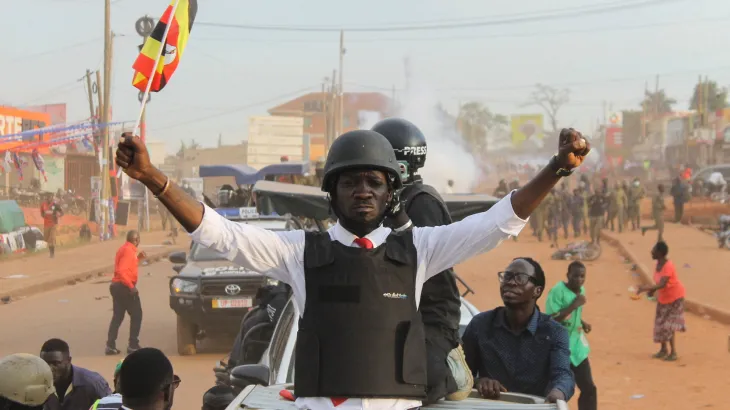
In a statement shared on X on Wednesday, December 31, 2025, Bobi Wine said there is a possible internet shutdown in the upcoming general elections, as witnessed in the previous elections.
“As we all know, the regime is plotting an internet shutdown in the coming days, as they have done in all previous elections. They switch off the internet to block communication and ensure that citizens do not organise, verify their election results and demand accountability over the massive election theft,” Bobi Wine said
To counter the anticipated disruption, Bobi Wine encouraged the use of an offline app, which allows communication without an internet connection. The platform will enable supporters to share information, including images of DR Forms, quickly and securely.
“Bitchat will enable you to communicate with thousands of people in record time. No internet connection is required. You will be able to send pictures of DR Forms and share any other critical information with specific or other users. No internet required. No sharing of phone numbers or email addresses. All you need to do is switch on Bluetooth and use the app,” he added.
Bobi Wine says there have been concerns over electoral transparency in Uganda, where internet shutdowns during elections have previously limited citizens’ ability to monitor vote counts and report irregularities.
Election officials in Uganda have not confirmed whether an internet shutdown will be implemented. However, Bobi Wine’s preparation shows a clear plan to maintain open channels of communication despite potential restrictions.
The January 15 polls are expected to be highly contested, with both the ruling government and opposition groups preparing strategies to reach voters and safeguard the electoral process.