The Pope has been urged by the International Association of Exorcists (AIE) to appoint at least one trained exorcist priest in every diocese worldwide due to a reported surge in Satanism and occult practices. This request follows a private meeting between Pope Leo XIV and AIE representatives, where they presented a report highlighting the spiritual consequences of these practices. The AIE emphasizes that having trained exorcists would help address cases of spiritual distress and prevent vulnerable individuals from seeking inappropriate solutions. The meeting focused on what the group described as “unprecedented challenges” facing the Ministry of exorcism.
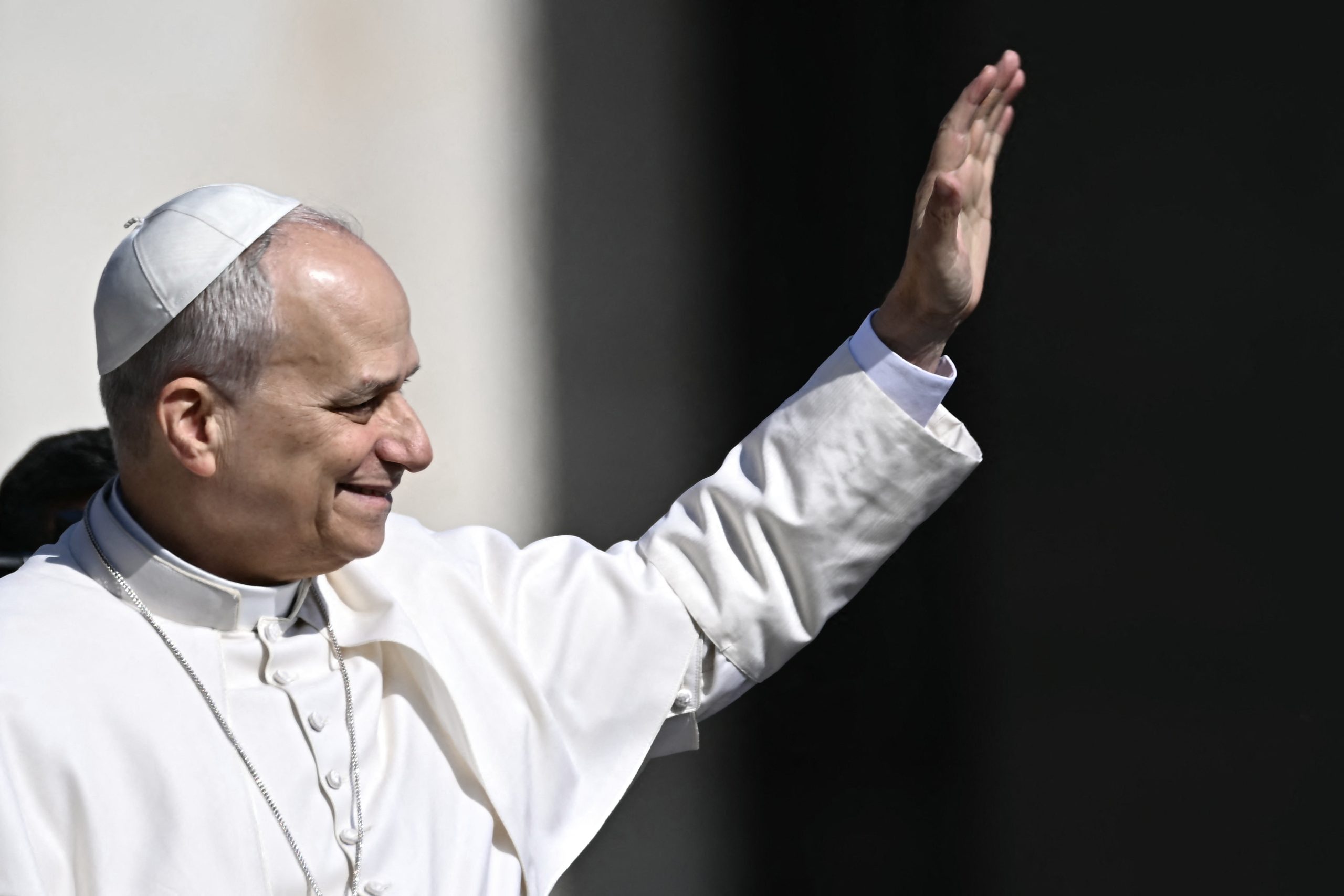
During the half-hour meeting, the AIE presented the pope with a detailed report warning of a “painful and increasingly widespread situation of people seriously affected by the extraordinary action of the devil as a result of their involvement in occult sects,” according to a statement released after the meeting.
The group’s primary proposal was structural and educational. Given the “great suffering caused by the extraordinary action of the devil,” it emphasized “the need for each diocese in the world to have one or more priest exorcists” who are properly trained.
In comments to ACI Prensa, Bamonte warned that ignoring the extraordinary action of the devil risks “leaving the faithful without defense against serious spiritual attacks,” potentially prolonging suffering or leading people to seek inappropriate solutions.
“The spread of occultism in its various forms, and of Satanism, unfortunately, opens doors and windows to the extraordinary action of the devil in today’s world,” he said. “This can cause grave suffering in those who imprudently turn to these practices, through possible cases of possession, vexation, obsession, or diabolical infestation.”
Bamonte said it is “reasonable” to believe such cases are increasing, pointing to the rise of esoteric and magical practices in recent decades.
According to the group, this trend is also linked to a broader “turning away from God, the increase of sin, and the spread of esotericism and occultism.”
The presence of authorized exorcists, Bamonte said, allows the Church to “continue Christ’s mandate to cast out demons” and to assist those suffering from what it describes as extraordinary demonic influence.
“The Church, as the family of God, has the task of caring for its members in all their needs, even the most extreme at the spiritual level; the priest exorcist is a pastor who offers this help,” he said.
He added that the absence of exorcists in a diocese constitutes “a harm” to the faithful, depriving them of specific sacramental assistance and weakening the Church’s ability to function as a true “family of God.”
For that reason, he stressed the importance of preparing clergy to address such cases. “The future priest must be prepared to face the real pastoral situations he will encounter in his ministry, including the growing number of faithful who request the intervention of exorcists,” he said.
This formation, he added, should include criteria to discern when the intervention of an exorcist is necessary and should begin during seminary training.
One of the AIE’s recent initiatives has been the publication of “Guidelines for the Ministry of Exorcism,” a document reviewed by several Vatican dicasteries that offers doctrinal and practical guidance. The text was presented to the pope during the audience, along with an image of St. Michael the Archangel from the sanctuary of Monte Sant’Angelo.
During the meeting, Pope Leo XIV also told those present that he had known and appreciated Father Gabriele Amorth, the priest who founded the International Association of Exorcists in 1994.