For the past few weeks, fuel has quietly become a growing concern across East Africa, with the pressure now showing in Kenya, Uganda and Tanzania in different ways. The situation has been linked to tensions in the Middle East, especially around key oil routes used to supply the region. Since East Africa relies heavily on imported fuel, any disruption or price shift globally is quickly felt locally, whether through rising prices, supply gaps or growing uncertainty among consumers.
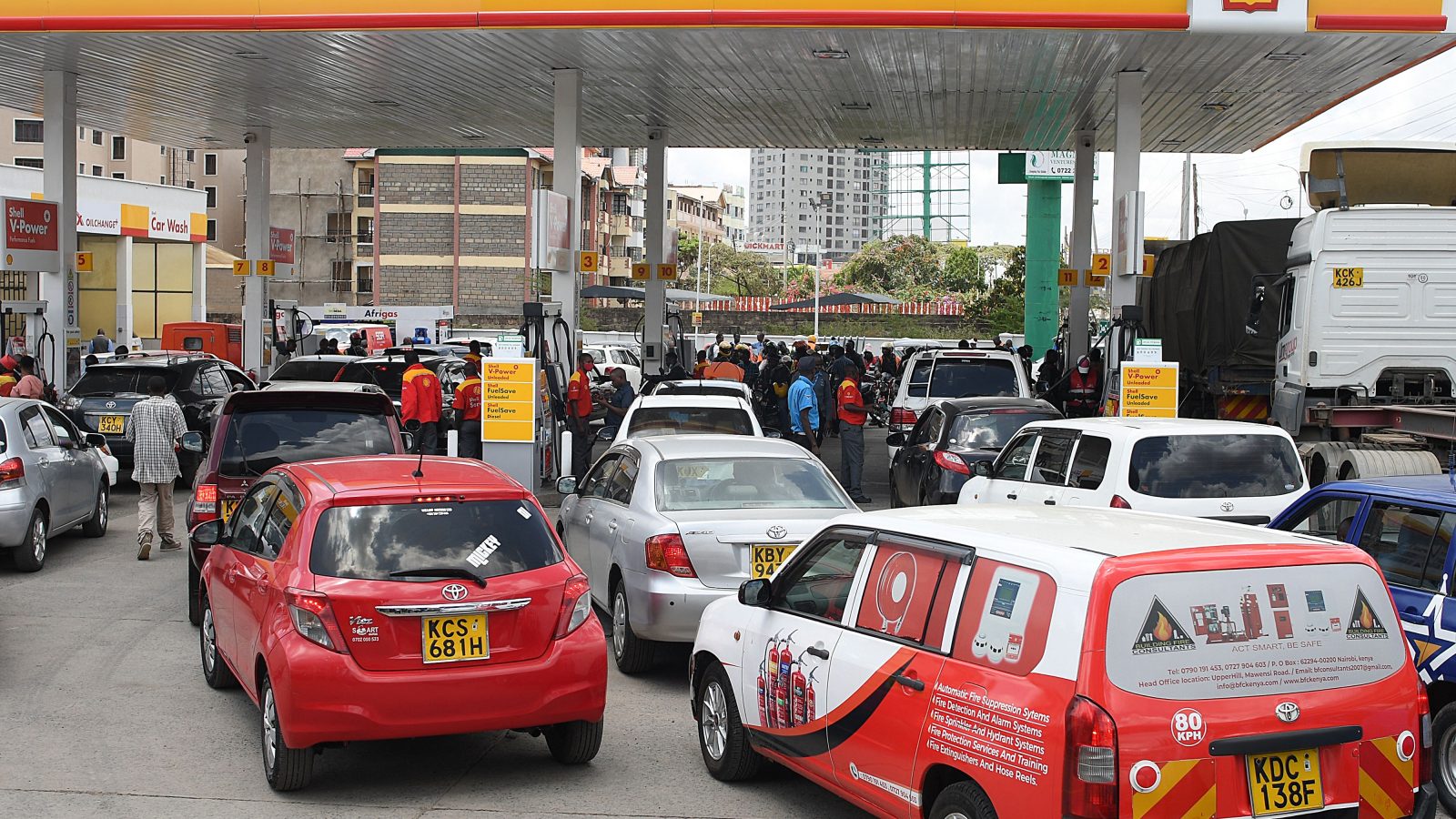
In Kenya, officials insist there is no shortage. The Kenya Pipeline Corporation says the country is holding enough petrol to last more than three weeks, alongside strong diesel and aviation fuel stocks. More shipments are also expected to land in the coming days, which should boost reserves further. On the ground, however, the situation feels different as motorists in several parts of the country have been scrambling for fuel, with reports of long queues, rationing and some stations running dry.
The pressure has been felt in counties such as Kisii, Busia, Nyamira, Kericho, Nakuru and Murang’a, where drivers say they are spending hours at petrol stations, while others have reportedly crossed into Uganda in search of fuel. Recently in Nakuru, some matatu operators warned that fares could go up if the situation continues, while boda boda riders in Kisii also said they are being forced to buy fuel in fixed amounts.
The Motorists Association of Kenya has also raised concerns, accusing some dealers of holding back fuel to create artificial shortages ahead of a possible price increase.
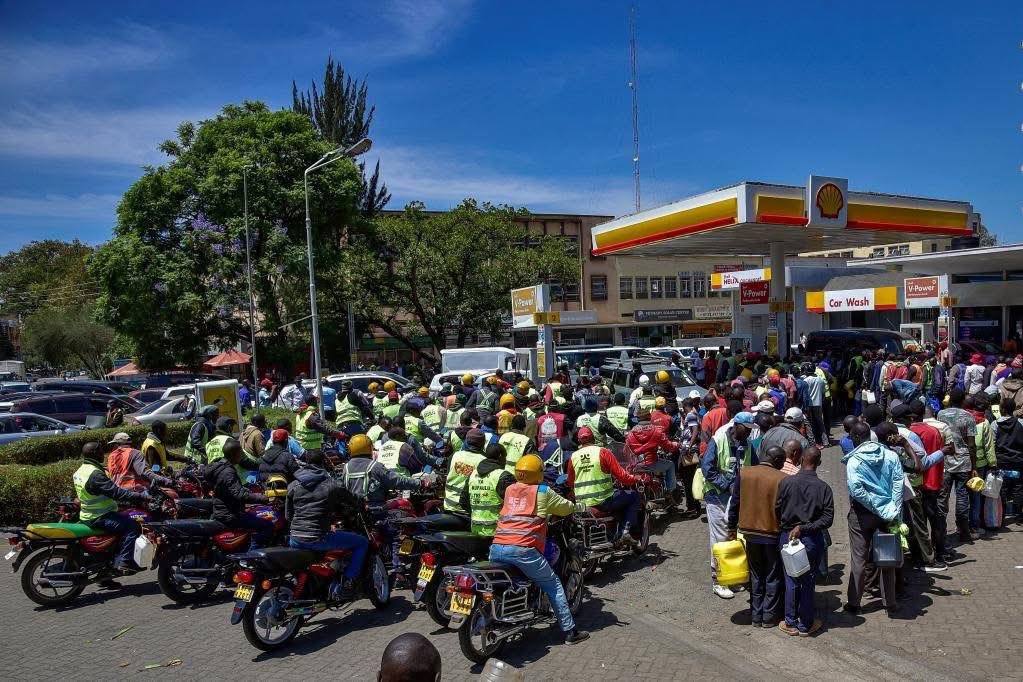
Even as authorities maintain that supply remains stable, frustration has been growing among consumers, with many taking to social media to complain about empty stations and in some cases, pump prices climbing close to Sh200 per litre.
At the same time, attention has now shifted to the next move by the Energy and Petroleum Regulatory Authority (EPRA), which is expected to announce new pump prices. With global oil prices rising, there is growing expectation that prices could go up, although the government may step in to cushion consumers.
In Uganda, the Ministry of Energy and the Uganda National Oil Company say the country’s fuel supply remains stable, urging the public to stay calm and avoid panic buying. Officials have pointed to ongoing shipments through the region, including a new vessel expected at the Port of Mombasa carrying over 100 million litres of fuel, which is expected to strengthen supplies further. However, just like in Kenya, pricing remains tied to global trends and officials have warned that developments in the international oil market are still likely to affect pump prices.
In Tanzania, fuel prices have risen sharply in recent weeks, pushing costs to some of the highest levels seen in recent years. In response, President Samia Suluhu Hassan has directed government officials to cut down on fuel use, including reducing large motorcades and shifting to shared transport such as buses. While the government says the country still has enough fuel reserves for the coming months, it has also warned businesses against taking advantage of the situation by hiking prices unnecessarily.
East Africa relies heavily on imported fuel, much of it coming through Gulf routes that have been affected by recent tensions involving Iran, the United States and Israel. Even with signs of a possible slowdown in the conflict, the effects are not expected to ease immediately, as it takes time for new shipments to reach the region and stabilize supply.