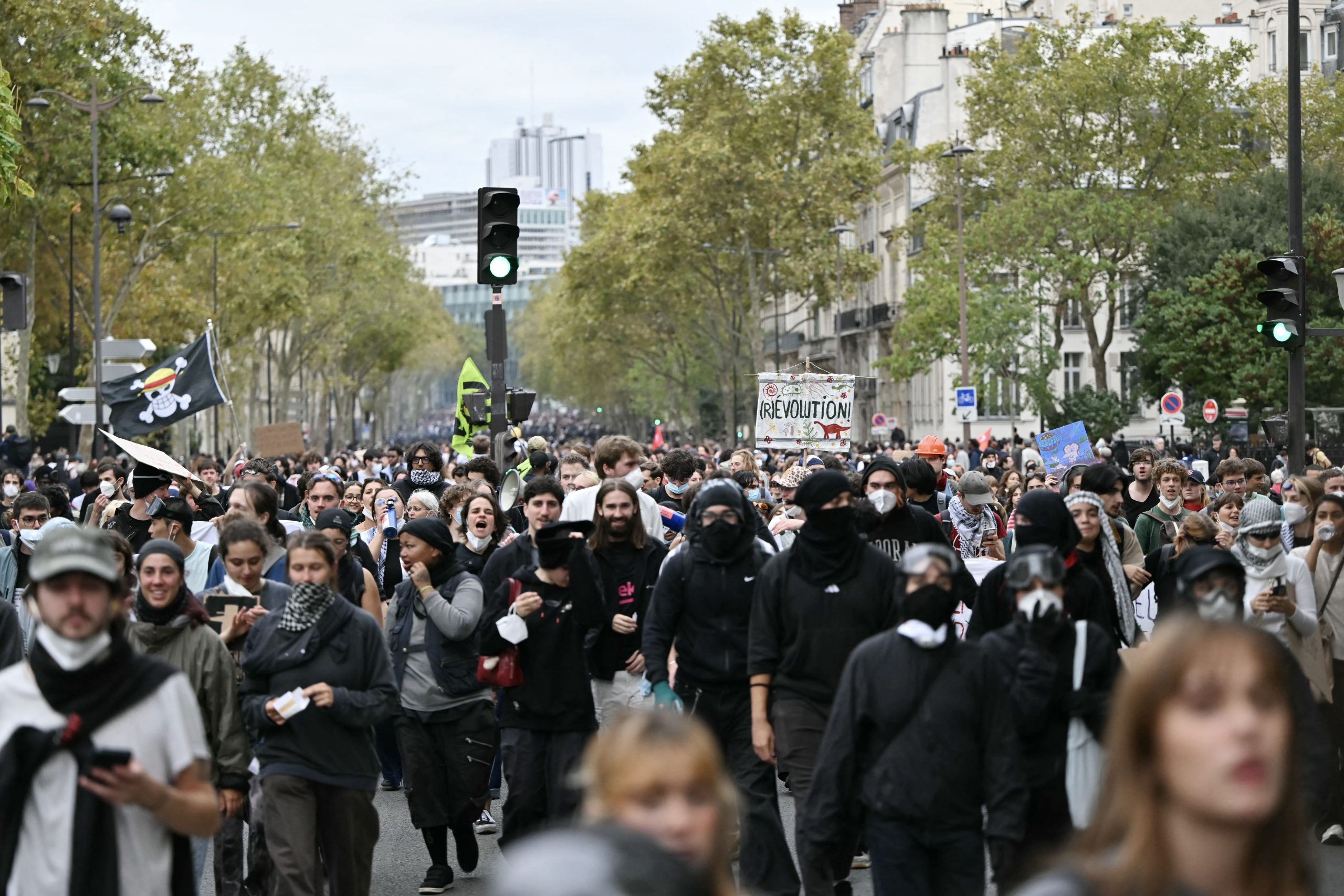
Transport operators have insisted they will keep their vehicles off the roads until the government lowers fuel prices, saying the nationwide shutdown is a peaceful protest against what they termed “unending” taxes and high pump prices.
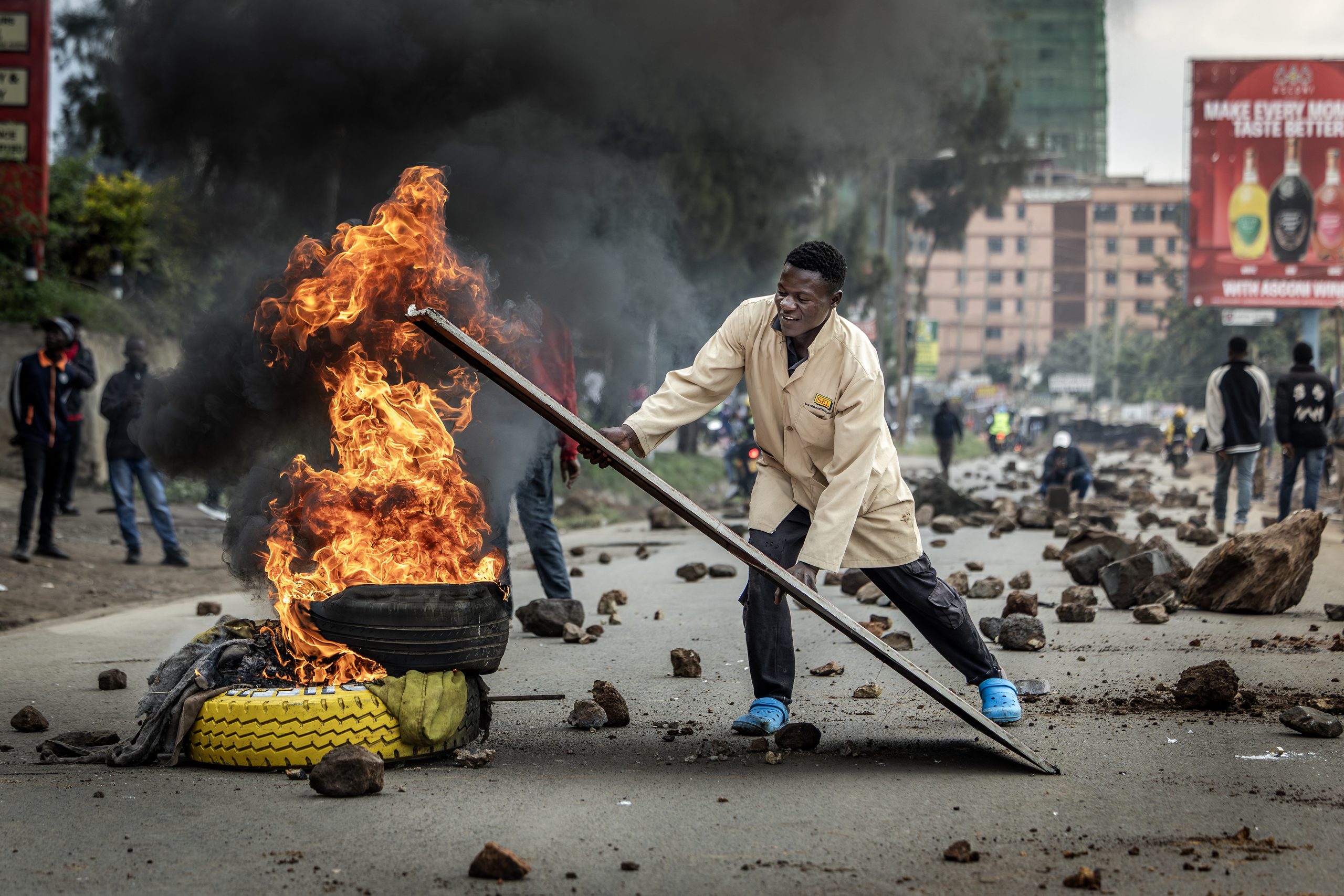
Kenya is one of many African countries dependent on fuel imports from the Gulf, and heavily hit by Iran’s effective closure of the Strait of Hormuz through which a fifth of the world’s oil normally passes. (Photo by Luis TATO / AFP)
Speaking during a press briefing by the National Matatu Owners Association in Gigiri, Nairobi, Rig Owners Association chairman Cornelius Chepsoi said the industry had reached a point where it could no longer absorb the cost of fuel.
“We said we would zero our services until the government agrees to reduce the cost of fuel… Mgomo wetu ni wa amani. Without the lowering of fuel nchi itasimama,” Chepsoi said.
Chepsoi questioned the government’s fuel subsidy choices, saying kerosene use has declined, and called for the scrapping of taxes as a way of stabilising prices.
“We have the highest level of taxes on fuel… They have chosen to subsidise kerosene… Why subsidise jet fuel?” he said.
He urged Kenyans to join the protests, saying operators could no longer raise fares without hurting the public, and claimed the fuel crisis had also affected sectors such as borehole drilling.
Matatu Owners Association president Albert Karakacha said the operators were ready for dialogue but claimed the government had not reached out.
“We are ready to sit down if they are willing… The whole industry [is] at a standstill. We cannot push the fare to the common mwananchi,” Karakacha said.
He called for the removal of fuel taxes, including returning VAT on fuel to zero, and proposed that diesel be cushioned the same way kerosene is subsidised.
“Ushuru iende chini… Tunataka VAT ya mafuta irudi mpaka 0. Subsidy ya kerosene iletwe kwa diesel,” he said.
Karakacha said the group would issue another update at 5pm.
He also raised questions about fuel quality, asking whether substandard fuel could have been introduced through the government-to-government importation programme.
“Sasa tunanunua mafuta mbaya kwa bei ya juu… Hiyo ni kuhujumu Wakenya mara mbili,” he said.
The operators claimed they had made losses running into hundreds of millions of shillings due to the shutdown, but said they were willing to continue the strike until fuel prices are reduced.