Kenya has introduced a private sector led 75% workplace and 25% classroom dual training curriculum, developed in collaboration with the National Industrial Training Authority (NITA), a move widely described as a game changer in addressing youth unemployment.
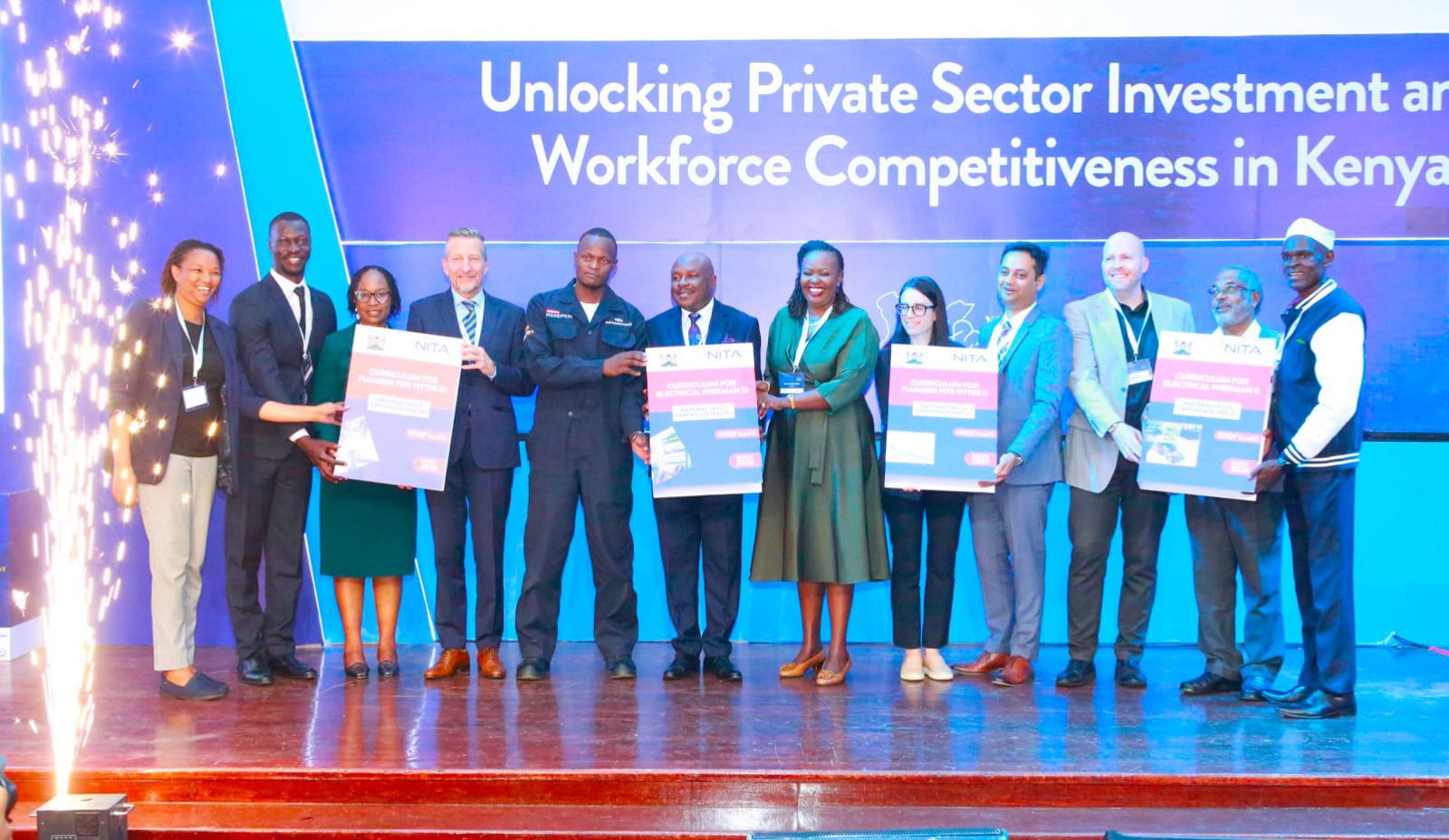
Speaking today during the launch in Nairobi, Shadrack Mwadime, Principal Secretary, State Department for Labour and Skills Development, and endorsed by Dr. Esther Muoria – Principal Secretary, State Department for Technical, Vocational Education and Training (TVET), said the PropelA model signals a significant shift in how young people are prepared for the labour market.
Mwadime noted that the dual training system will offer a time bound solution to the youth unemployment menace in the country.
“I call upon the private sector to realise that this system is a solution provider to the problems they have appraised over time,” he said.
He added that “Young people are not only gaining practical skills as they work but also getting a small stipend so that they do not have to entirely rely on their parents for financial support.”
According to Swiss Ambassador to Kenya Mirko Giulietti and Swisscontact Country Director Sharon Mosin, the localised Swiss dual training model integrates structured workplace experience (75%) with classroom learning (25%), positioning the private sector at the centre of training delivery.
The approach aims to close the gap between education and employment by
ensuring young people graduate with the skills, experience and exposure required by various industries.
PropelA is a youth skills development project implemented by Swisscontact in Kenya, in partnership with the private sector, Technical and Vocational Education and Training (TVET) institutions, and the National Industrial Training Authority (NITA).
Since 2022, Swisscontact has worked with Don Bosco Boys Town Technical Institute to pilot dual vocational Education and Training model that can be replicated and scaled up across the country. Under this model, apprentices in trades such as electrical installation and plumbing learn the skills required by industry through a combination of workplace training, classroom learning, and hands-on
practice in technical workshops.
Private sector companies play an active role in the training process by offering
workplace learning opportunities and providing apprentices with stipends during their industry placements. The experience and lessons from this tested model at Don Bosco Boys Town Technical Institute informed the development of the newly launched private sector-led dual training curriculum. The 75% workplaceand 25% classroom training structure is set to be scaled up to align TVET training with the needs of swisscontact employers. The programme is aptly named PropelA, derived from the word propel, meaning to drive forward with force and direction,.
At its core, PropelA ensures that graduates are not just certified but job market-ready, and it now contributes to Kenya’s Competency-Based Education (CBE) approach.
The launch coincided with the Inaugural Youth Skills Development Forum (YSDF), happening in Nairobi and brings together government leaders, industry players, development partners, youth and training institutions to accelerate private sector led workforce development in Kenya.
The curiculum is designed to equip youth entering Technical and Vocational Education and Training (TVET) institutions with practical, job-ready skills by embedding potential employers from various industries directly into the training process.