The Gitaru Interchange, a crucial artery in the country’s transport system, is now 85 per cent complete, offering travellers and motorists a sigh of relief.
Geared towards alleviating the persistent gridlock around Gitaru by easing movement of traffic into Nairobi and also those exiting the city through the Nairobi-Nakuru highway, Gitaru Interchange is set to revolutionize road transport.
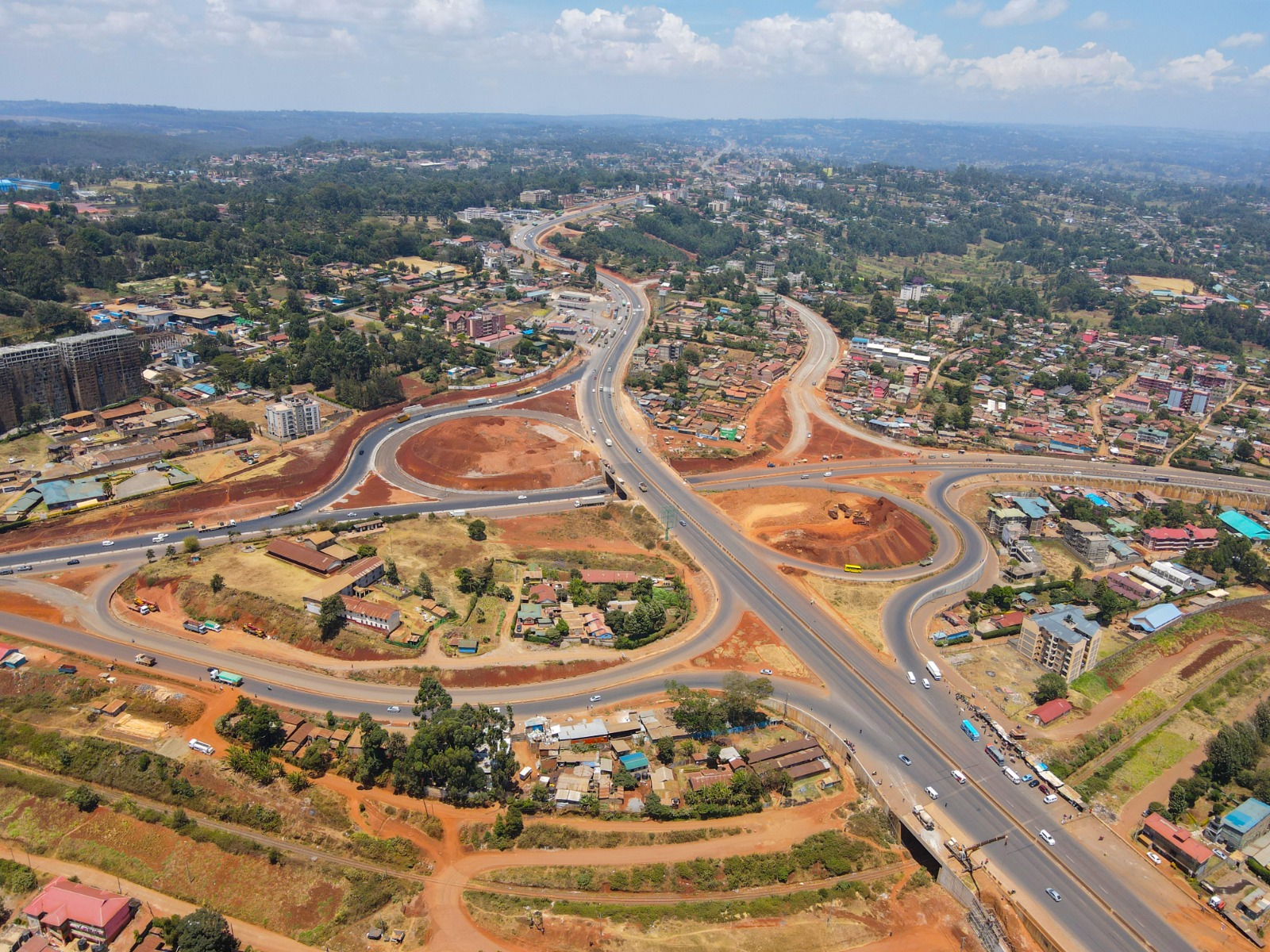
The project is being implemented by the Kenya National Highways Authority (KeNHA). The Gitaru Interchange is a key component of the ongoing rehabilitation and capacity enhancement of James Gichuru Road Junction to Rironi highway.
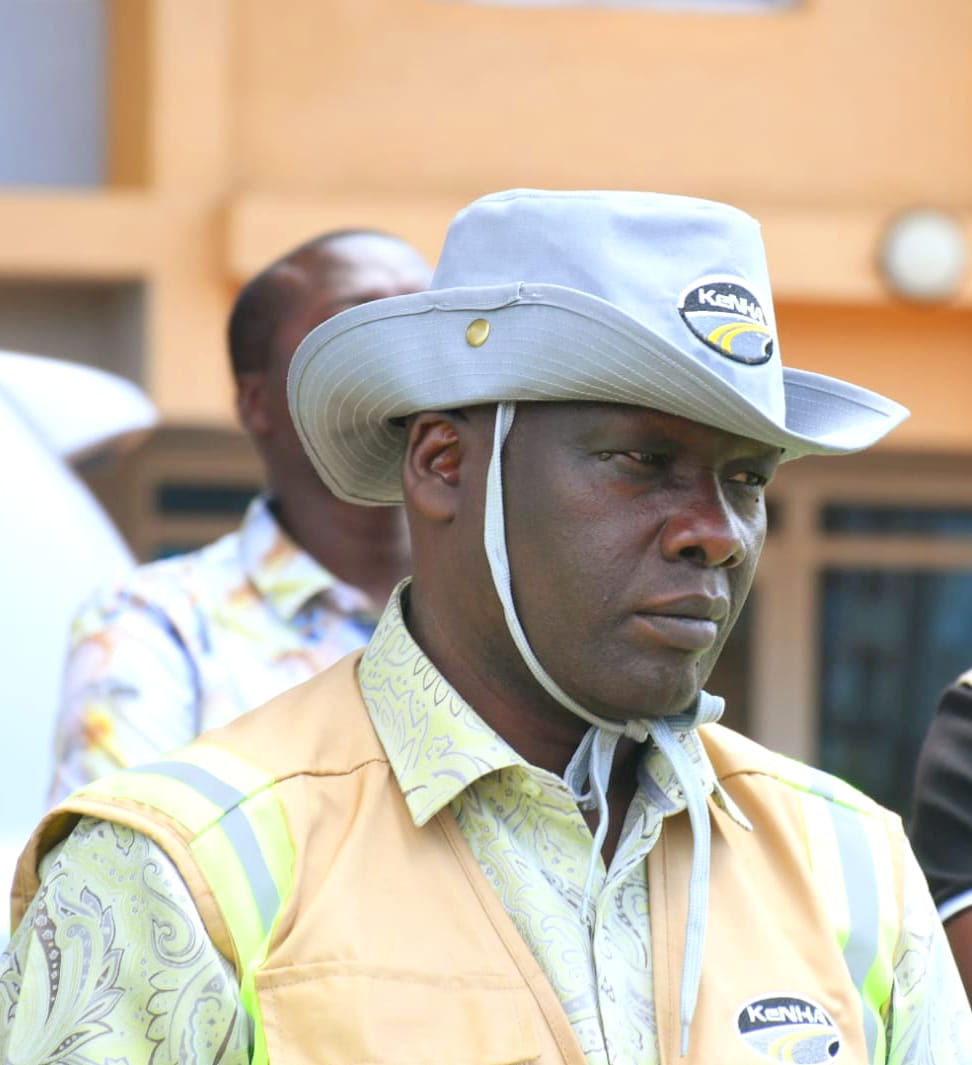
And, in his latest update, KeNHA Director General Engineer Luka Kimeli said once complete, the project will allow continuous traffic flow, reduce travel time and ease congestion.
According to Eng. Kimeli, Gitaru Interchange is one of 580 stalled road projects that President William Ruto’s administration recently revived through the securitisation of fuel levy, paving way for the clearing of all pending bills owed to contractors in the roads sector.
“Securitisation enabled us to resume this critical project. In line with the President’s directive, the government is completing stalled road projects regardless of when they began or which administration started the road project because the Government is perpetual, and leaving unfinished projects from previous administrations punishes Kenyans,” he said.
He said that Gitaru Interchange takes the shape of the distinctive clover plant connected to a single stem adding it will be completed by June 30, 2026.
“One fun fact about the Gitaru interchange is the distinctive design inspired by a small, common plant that you all know, the four-loop cloverleaf, often regarded as a weed and known by different names,” he explained.
The Gitaru Interchange connects Rironi and Western Bypass, Southern Bypass and Nairobi, Rironi and Southern Bypass, and Southern Bypass to Nairobi. It links the Western Bypass to Nairobi as well as the Western Bypass to Rironi.
A key pillar of President Ruto’s infrastructure development agenda, the interchange also links Southern Bypass and the Western Bypass and boasts of a dual carriageway. At the same time, service roads have also been built connecting to Western Bypass.
Meanwhile, locals have expressed hope that the interchange would soon open up the area for trade, noting that the project will have a ripple effect on the economy at all levels, both locally and nationally.
“Yes, I’m telling you, it’s easy now going to Nairobi. No matter what time you wake up. In the past, when there were no good roads, people used to think it was risky to wake up at 2AM or even 3AM, but now even at nine, you just take the road and go to Nairobi,” said George Larama, a trader based in Gitaru.
Larama said that the interchange is going to reduce travel time while connecting many major roads seamlessly. “If you are going to Mombasa Road, it is easy. And those who go towards Ruaka, it is easy because the road is good,” he said.
He said that movement will also improve significantly once the construction of the elevation is completed. “ In the past, people used to go up to Zambezi in order to make a turn to Nairobi. But when someone comes from Kikuyu, this intervention will be very good,” he recalled.
He said: “If someone comes from Kikuyu or if you want to go to Kikuyu, it becomes very simple. Now we would like this section to be completed too, so that now the task of going anywhere would be easier.”
Some of the residents of Gitaru like Apostle Paul Mosoti expressed awe over the magnitude of the project saying they have never seen such a big ‘roundabout’ before. “This is the biggest roundabout in Kenya, there is no other project like this one in Kenya,” Apostle Mosoti said.
“This road project is called interchange, they have built it very well and it will bring good things and development because it connects with many parts of the country,” he affirmed.
“So this road has helped a lot. When the remaining part is completed it will benefit people even more. So we pray that if this section is completed, it will be very easy for us to go to Nairobi,” he added.
Once complete, the interchange will streamline traffic flow, improve access to and from Kikuyu town and enhance overall connectivity between Nairobi and the central and western regions of the country.
During the New Year Diplomatic Briefing at State House on February 9, President Ruto announced plans to double the country’s tarmacked roads in the next seven years from the current 20,000 kilometres to 28,0000 kilometers.
The Head of State said tarmacking of roads will ease connectivity and spur economic growth.
“We are already on course, we have mapped out what the areas are and we believe that we can raise the resources to undertake this transformation,” President Ruto said.