Kenya today marked its 61st Jamhuri Day, with national celebrations held at Uhuru Gardens in Nairobi. While the venue carries symbolic weight, the day itself is rooted in history that stretches back more than six decades.
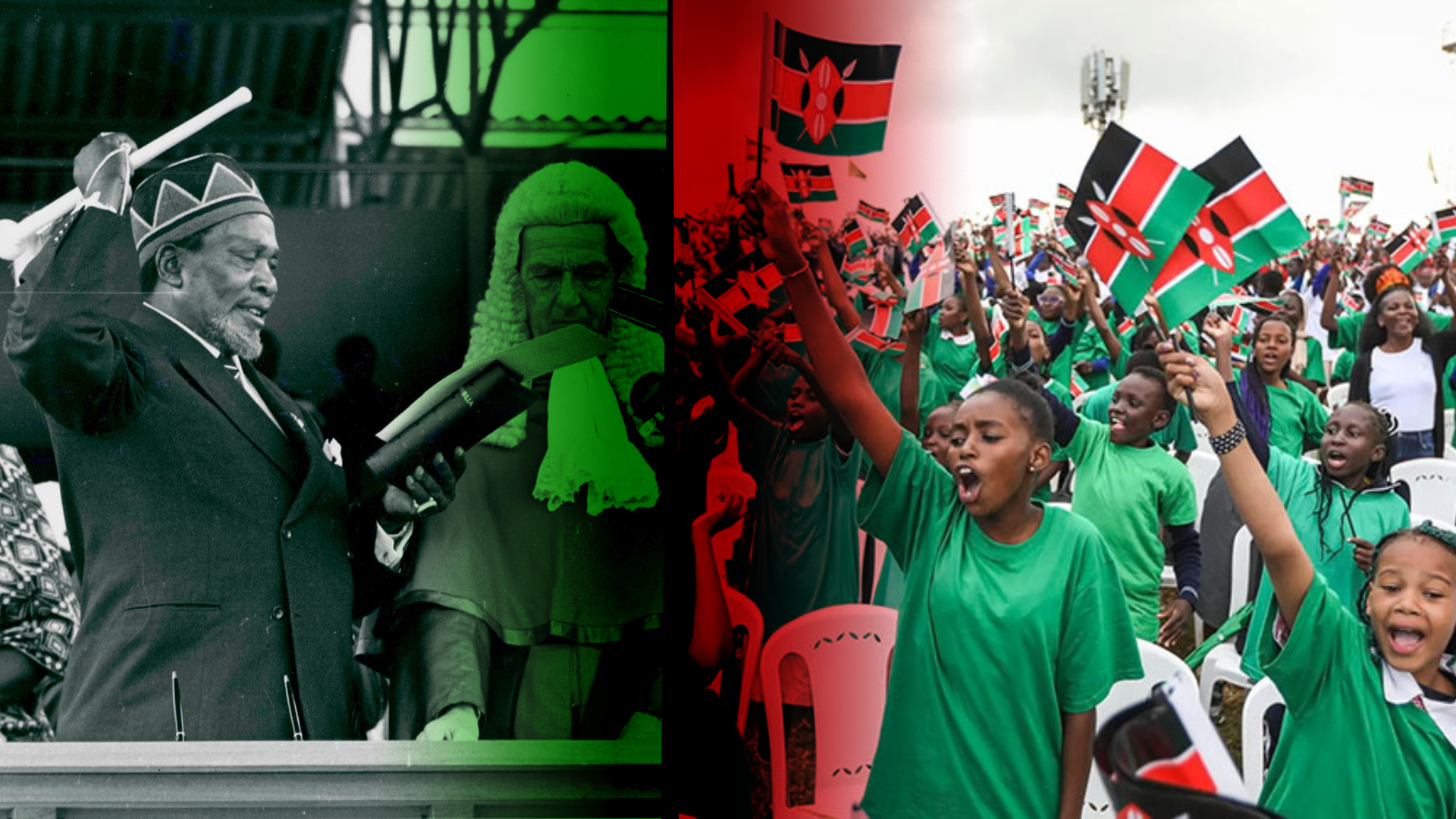
Jamhuri Day, observed every December 12, commemorates Kenya’s independence from Britain in 1963 and the country’s transition into a republic exactly one year later, on December 12, 1964. The word jamhuri is Swahili for “republic,” underscoring the day’s significance as the moment Kenya formally took its place among sovereign nations.
Kenya had been under British colonial rule since the early 20th century, officially declared a colony in 1920. After years of nationalist struggle, the country achieved internal self‑rule on June 1, 1963 — a milestone now marked as Madaraka Day. Six months later, independence was declared, and Jomo Kenyatta became the nation’s first Prime Minister. On December 12, 1964, Kenya was proclaimed a republic, with Kenyatta inaugurated as the country’s first President.
Since then, Jamhuri Day has grown into Kenya’s most important national holiday, celebrated with military parades, cultural displays, and reflections on the country’s democratic journey. It is a day that not only honors independence but also reminds citizens of the sacrifices made in the struggle for freedom and the responsibilities of nationhood.
Today’s commemoration continues that tradition, bringing Kenyans together to reflect on the country’s past, celebrate its progress, and look ahead to its future.