Kenyan police said they would not allow a planned march in Nairobi on Tuesday to mark an annual day of protest, with heavy security deployments disrupting traffic.
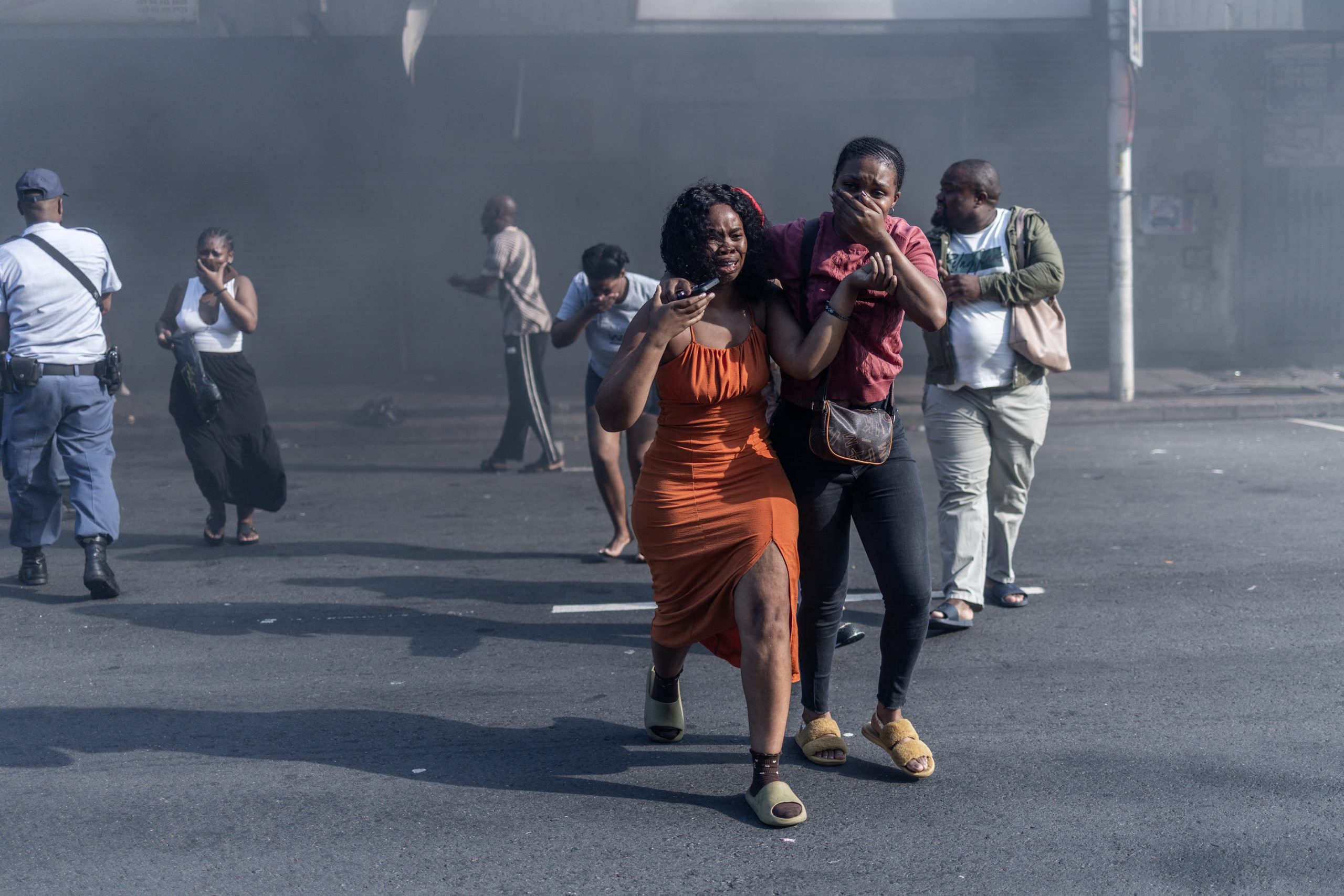
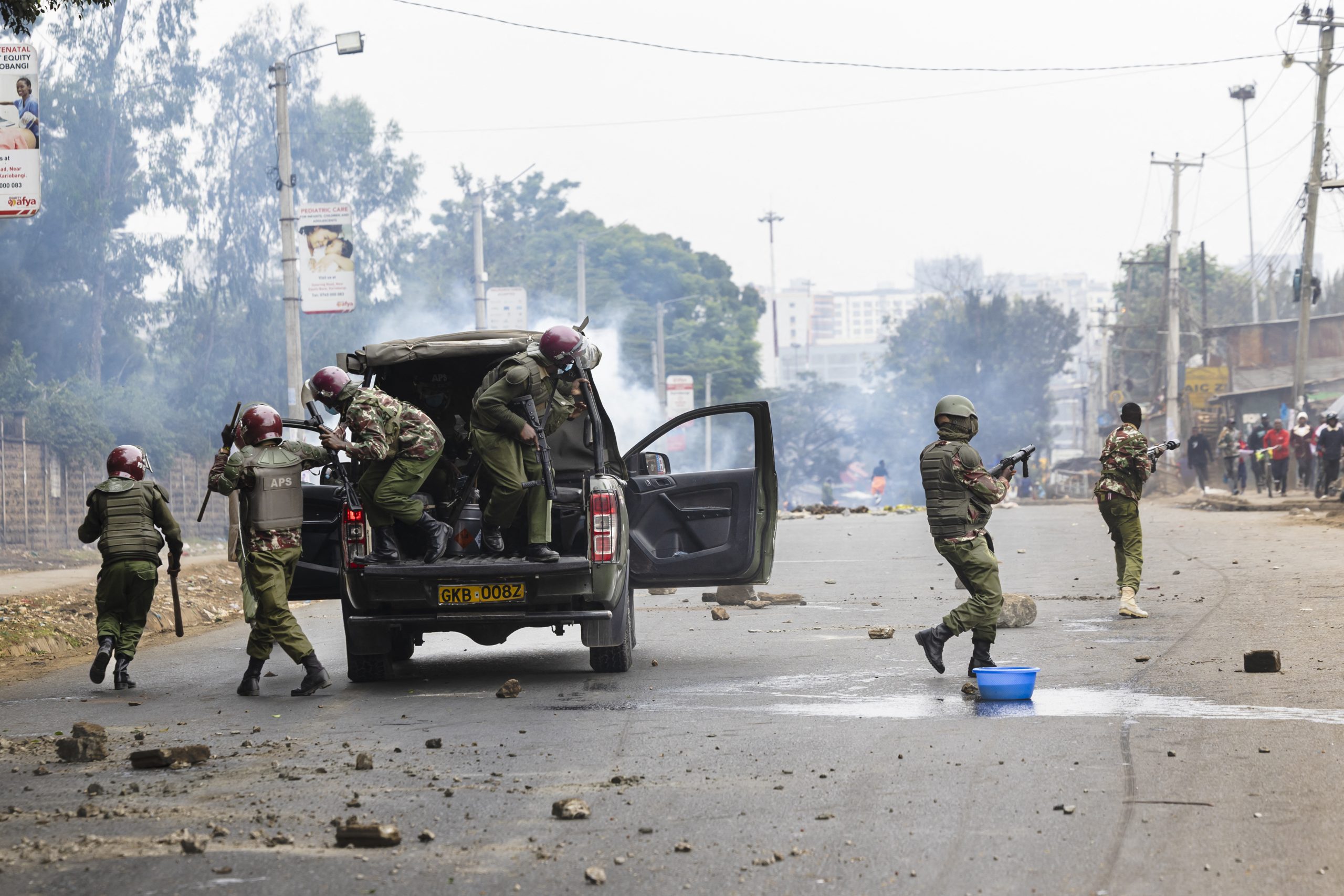 Kenyan anti-riot police officers fire tear gas canisters at demonstrators during a protest against alleged police abductions in the Mathare informal settlement of Nairobi on June 30, 2026. Running battles erupted between locals and police in a Nairobi informal settlement on June 30, 2026 leaving one person dead and two wounded, AFP journalists saw, after the alleged abduction of two activists by security forces.
Protests broke out in the Mathare informal settlement after planned demonstrations last week were prevented by a huge police deployment, which saw some activists detained and disappeared for days. (Photo by Tony KARUMBA / AFP)
Demonstrations have traditionally been held on July 7 to commemorate the day in 1990 when Kenyans rose up to demand a return to multi-party democracy after years of autocratic rule by then-president Daniel arap Moi. It has become known as “Saba Saba Day”.
Over the past two years, “Saba Saba” (meaning “seven seven”) has merged with broader protests against the government of President William Ruto, accused of corruption, economic mismanagement and police violence.
At least 38 people died across Kenya and hundreds were arrested in protests on July 7 last year, according to a police watchdog.
This year the government has taken no chances with protests, using heavy police deployments to prevent even small gatherings.
A group called the Economic Justice Movement notified police of plans to hold a peaceful procession in Nairobi, sharing the notice on social media.
Yet police denied receiving any notice and said any procession would be illegal, while warning of added checkpoints around the city.
“Any unlawful acts shall be met with the full force of the law,” it said in a statement.
The Economic Justice Movement said they had wanted to draw attention to “extrajudicial killings, enforced disappearances, arbitrary arrests, and police brutality, but also an escalating economic crisis… and declining opportunities for millions of young people and families”.
Even without the heavy police presence, it is likely that protests would draw much smaller crowds than previous years.
Many people say they are too scared of police violence after at least 127 people were killed during protests in June-July 2024 and a similar period in 2025, according to figures from the police watchdog.
“There’s a general sense of exhaustion,” local rights group organiser Wanjira Wanjiru, of the Mathare Social Justice Centre, told AFP.
bur-er/tw