The Kenya Revenue Authority (KRA) has rolled out body-worn cameras for customs and border control officers to strengthen transparency and accountability at Kenya’s entry points.
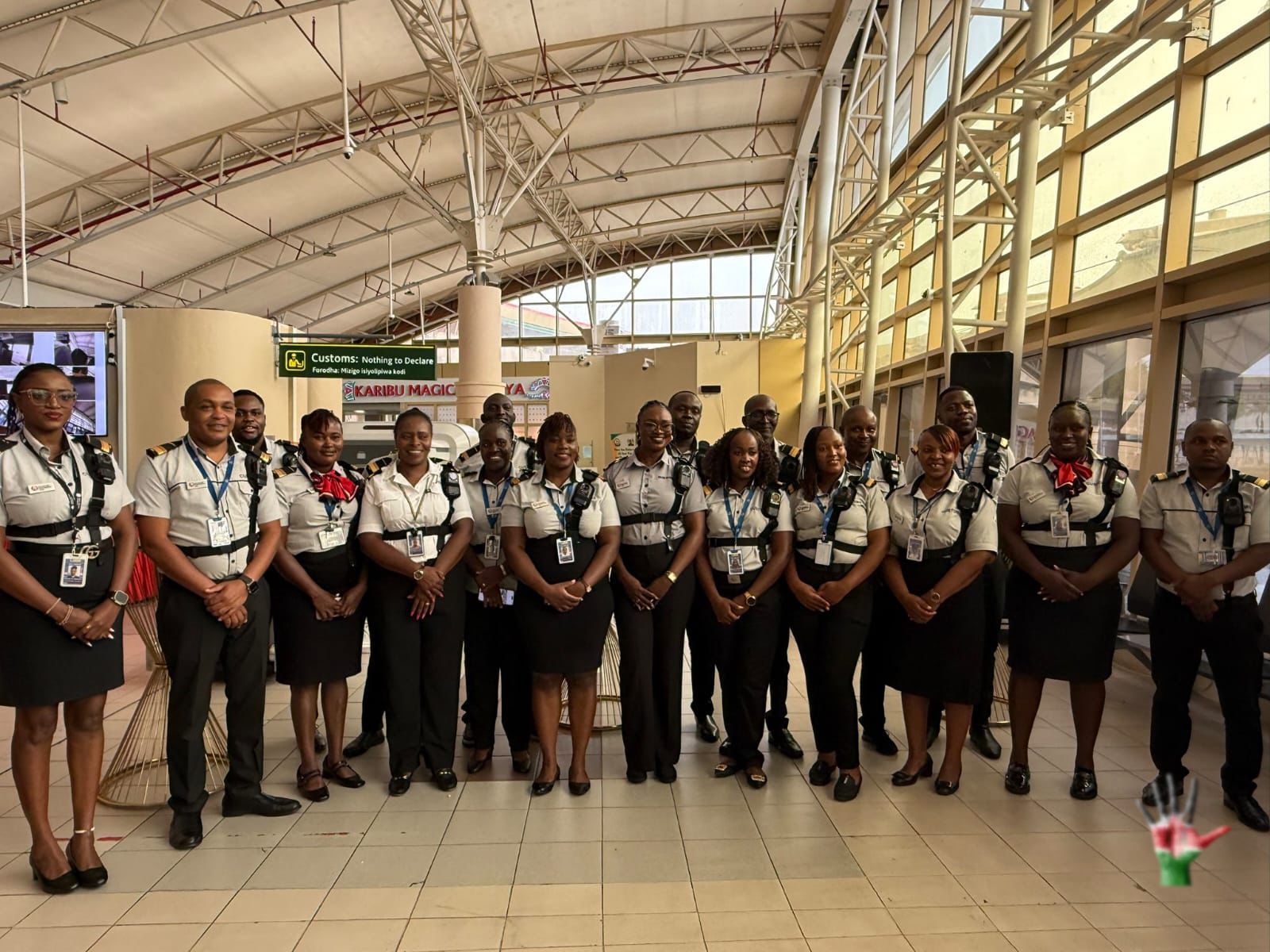
The initiative, which the tax authority says will target officers interacting with travellers, importers, and traders, will create recorded documentation of inspections and engagements at airports and border posts.
KRA says the cameras will record interactions during inspections and enforcement activities, providing what it describes as a verifiable record of events. The move has raised questions about data privacy and oversight concerns.
Customs departments are among the most visible arms of the government at international gateways, handling large volumes of travellers and cargo daily.
At major aviation hubs such as the Jomo Kenyatta International Airport (JKIA), customs officers routinely interact with passengers arriving from abroad as well as clearing goods entering the country.
The authority argues that such documentation could help settle complaints more efficiently, replacing situations where disputes depend largely on conflicting accounts between officers and travellers.
Body-worn cameras have increasingly been adopted by law enforcement and border agencies globally. Institutions such as the UK Border Force have deployed similar technology in recent years, citing benefits including improved evidence collection, officer safety, and greater public trust in enforcement procedures.
In Kenya, the planned deployment comes as the revenue authority is working to curb corruption and strengthen compliance in customs operations. Customs duties and taxes collected on imports are a major source of government revenue, making the integrity of border procedures a key concern for both regulators and businesses.
Officials say the footage could help resolve disputes more quickly and improve oversight of frontline operations.
However, governance experts often note that the effectiveness of body-camera programs depends on clear policies on when cameras must be activated, how long footage is stored, and who can access the recordings. Privacy safeguards and independent oversight are also typically considered critical to ensuring such systems enhance accountability rather than simply expanding surveillance.
If implemented widely, the cameras could introduce a new layer of monitoring at Kenya’s airports, seaports, and land borders- potentially reshaping how disputes and compliance checks are handled at the country’s trade gateways.