Human rights lawyer and activist Denis Oleshangay has warned that recommendations made by two presidential commissions on Ngorongoro could deepen the long-running land dispute involving Maasai communities in northern Tanzania.
Speaking during an exclusive interview with Mwanzo TV after the release of the reports, Oleshangay said the recommendations appear to push toward removing people from Ngorongoro instead of addressing the concerns raised by residents.
“They are saying the law should be changed because the system of people living together with wildlife is no longer possible. What that means in simple terms is that they want residents removed from Ngorongoro and taken to other areas,” he said.
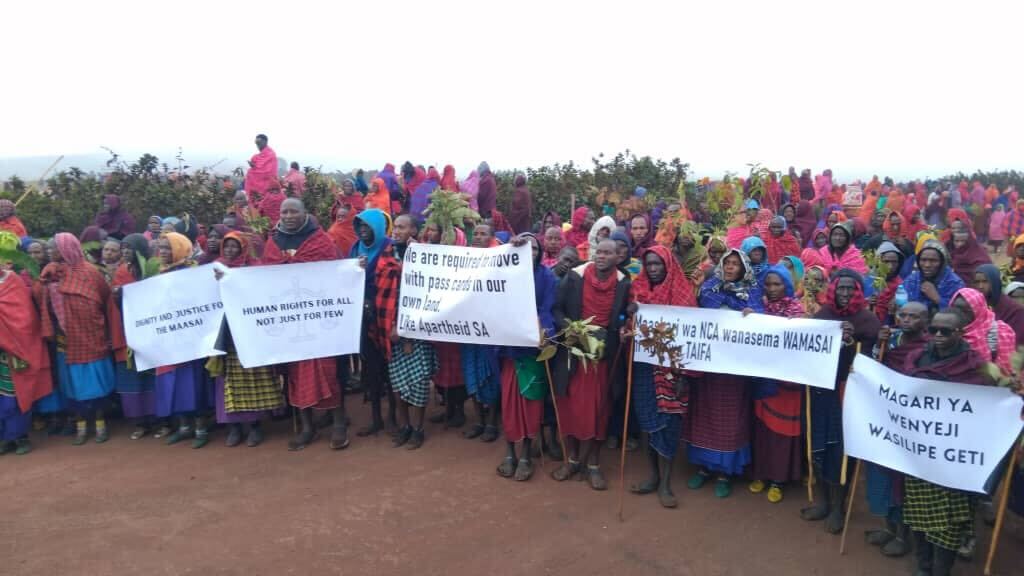
The reports were presented to President Samia Suluhu Hassan on March 12th, days before the Maasai International Solidarity Alliance (MISA) issued a statement rejecting the recommendations and insisting that Maasai communities will not leave their ancestral land. In its statement, MISA said the commissions were flawed from the start and accused them of ignoring the views of local residents.
The dispute over Ngorongoro has been building for years as the government pushes relocation in the name of conservation, while Maasai communities argue that they have lived alongside wildlife for generations and should not be treated as a threat to the land.
Oleshangay said one of the biggest problems with the new reports is that they rely heavily on the 2019 Multiple Land Use Model report, a document that many residents had already challenged. “The people of Ngorongoro made it clear during public meetings that this report should not be used as the main reference, but the commission still leaned on it heavily,” he said.
He also accused the commissions of looking at only one side of the issue. According to him, the reports talk about rising population and livestock numbers, but fail to seriously examine the impact of tourism activity in the area. “They speak a lot about people and cattle, but they do not talk enough about roads, vehicles, lodges and other tourism structures inside these areas. That is why many people see the process as unfair,” he said.
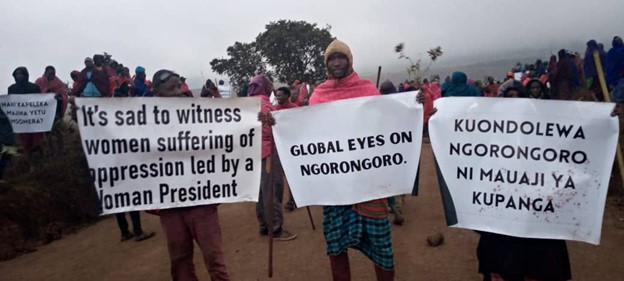
Oleshangay further questioned the idea that relocation is a working solution. Referring to places such as Msomera, he said even the commission admitted that many houses built for relocated families remain empty, while some people who had moved later returned to Ngorongoro. “That alone tells you the relocation process has not solved the problem. Some people went back because the life they found there was not what they were promised,” he said. He added that relocation has also created hardship for families, especially where one household structure does not match the reality of larger Maasai families.
MISA raised similar concerns in its statement, saying relocation since 2021 has not been truly voluntary and that communities have faced restrictions on services, land access and social support. The group said implementing the recommendations would only deepen tensions instead of resolving them.
For Oleshangay, the central issue is simple, Maasai people see Ngorongoro as home, not just as a conservation zone. “These are the lands where people were born, where they raised their families and where they graze their cattle. There is no fair legal or scientific reason to force them out,” he said.
Watch the full interview below: