As the Commission of Inquiry (CoI), chaired by former Tanzania Chief Justice Mohamed Chande, is now expected to release its report after 153 days, serious concerns persist about its credibility. Initially, the CoI was given 90 days, then an additional 42 days, and later 21 days, all for various unfounded reasons. It remains unclear whether the Commission itself requested these extensions. This in itself raises questions: why seek more time without delivering on the initial mandate? That notwithstanding, I reiterate that the CoI should be disregarded for want of merit.
Samia Suluhu commissioned the Commission of Inquiry to investigate incidents of “breach of peace” during the sham 29 October 2025 elections and the days that followed. I understand that some groups perceive the Commission as a legitimate effort to address the events surrounding those elections. I also understand that Samia, the principal architect of the October 29 massacre, is desperate for precisely this kind of validation.
However, it is important to underscore that the commission was established as an afterthought, designed to create the appearance of accountability while in fact undermining any possibility of a credible, independent investigation into the tragic events we experienced. Many, me included, believe that Samia Suluhu instigated the heinous incidents of October 29 and the days that followed in pursuit of political power. Samia was determined to remain in power, regardless of the human cost. I will explain this in more detail below:
Concerns over the Commission
There are many concerns regarding the establishment, composition, terms of reference, modus operandi, integrity, and credibility of the CoI. It is such concerns, as will be discussed briefly, that lead to the conclusion that Chande’s CoI should be treated with caution and deserving contempt.
Establishment of the Commission of Inquiry
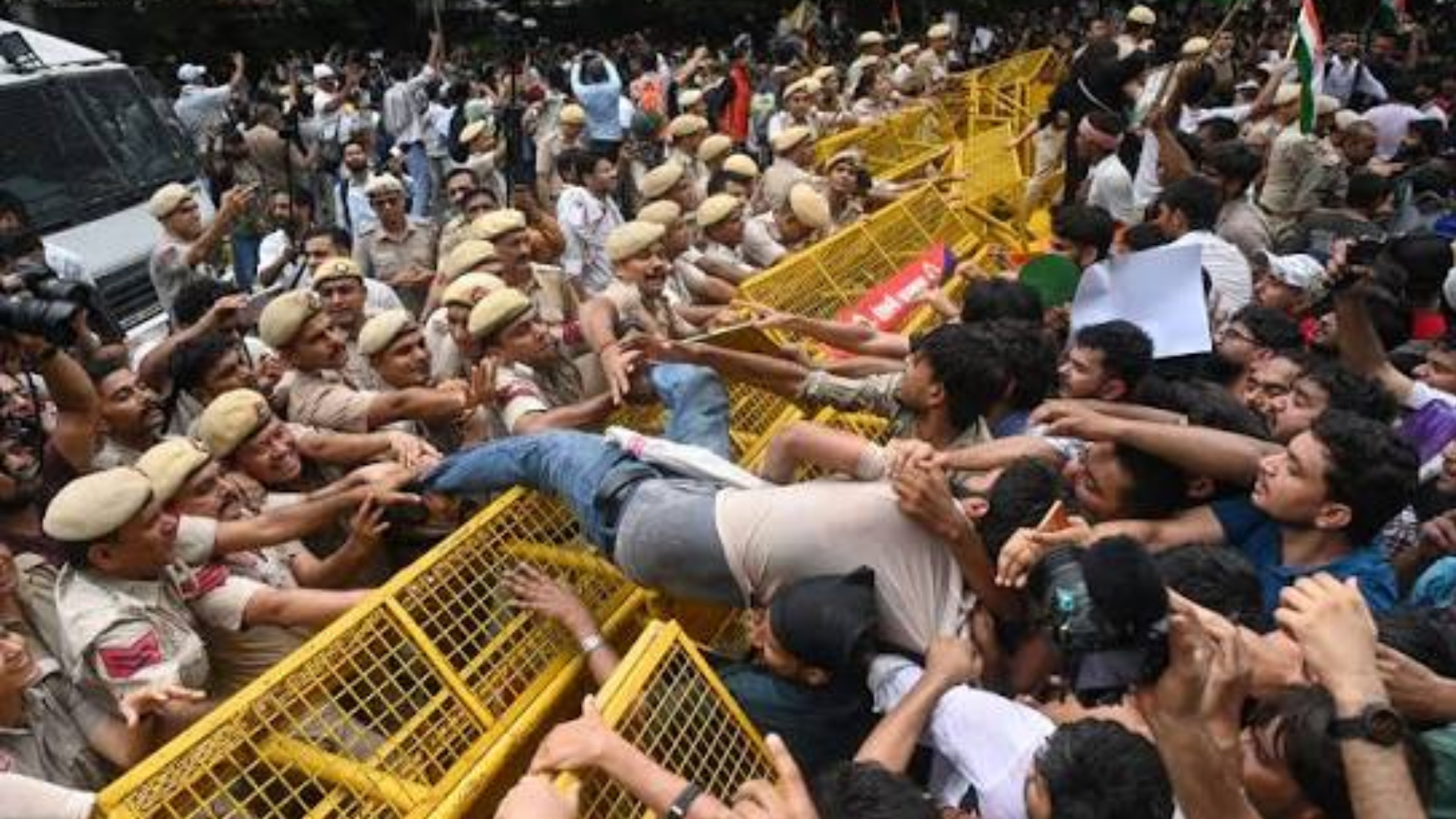
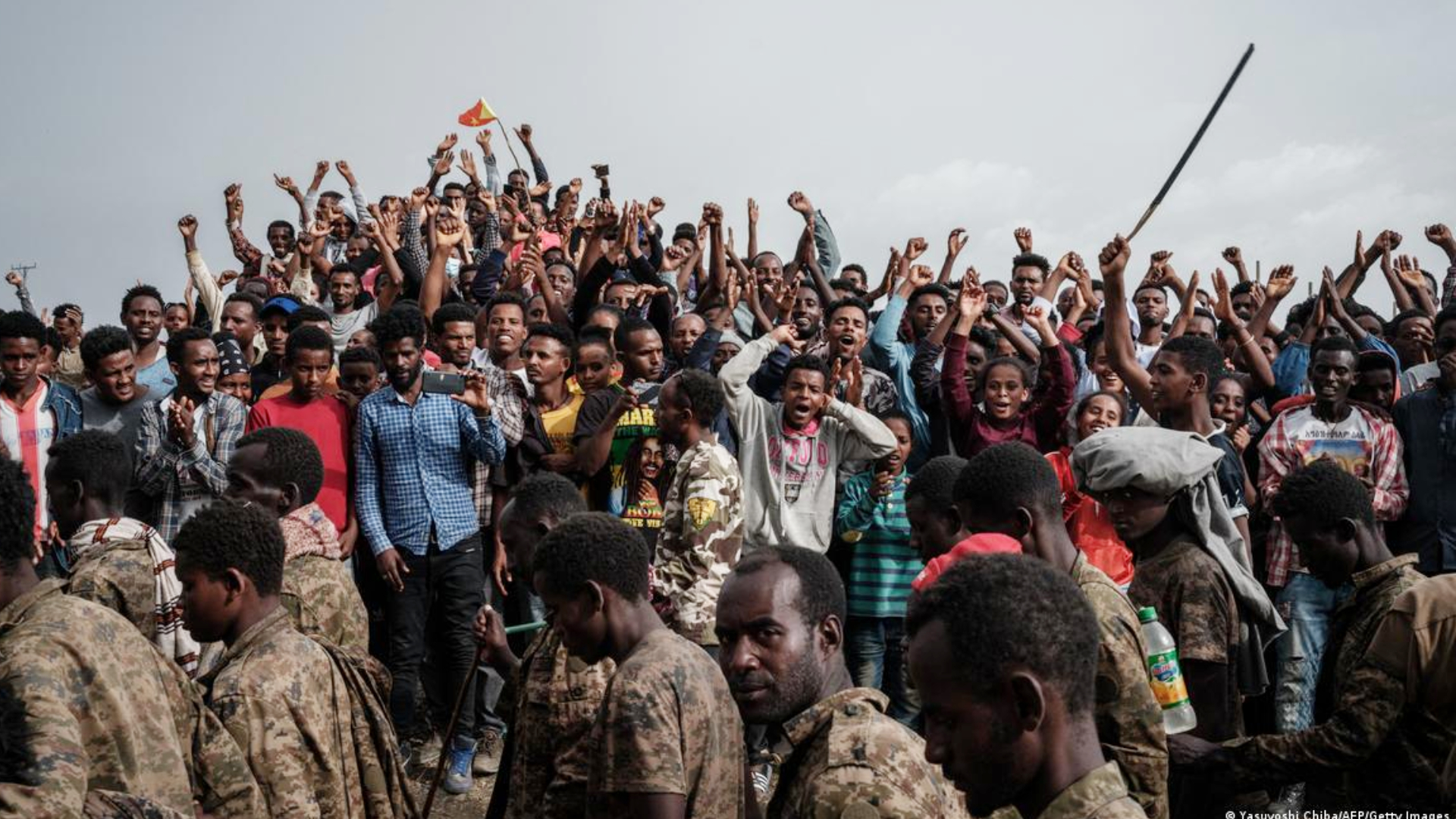
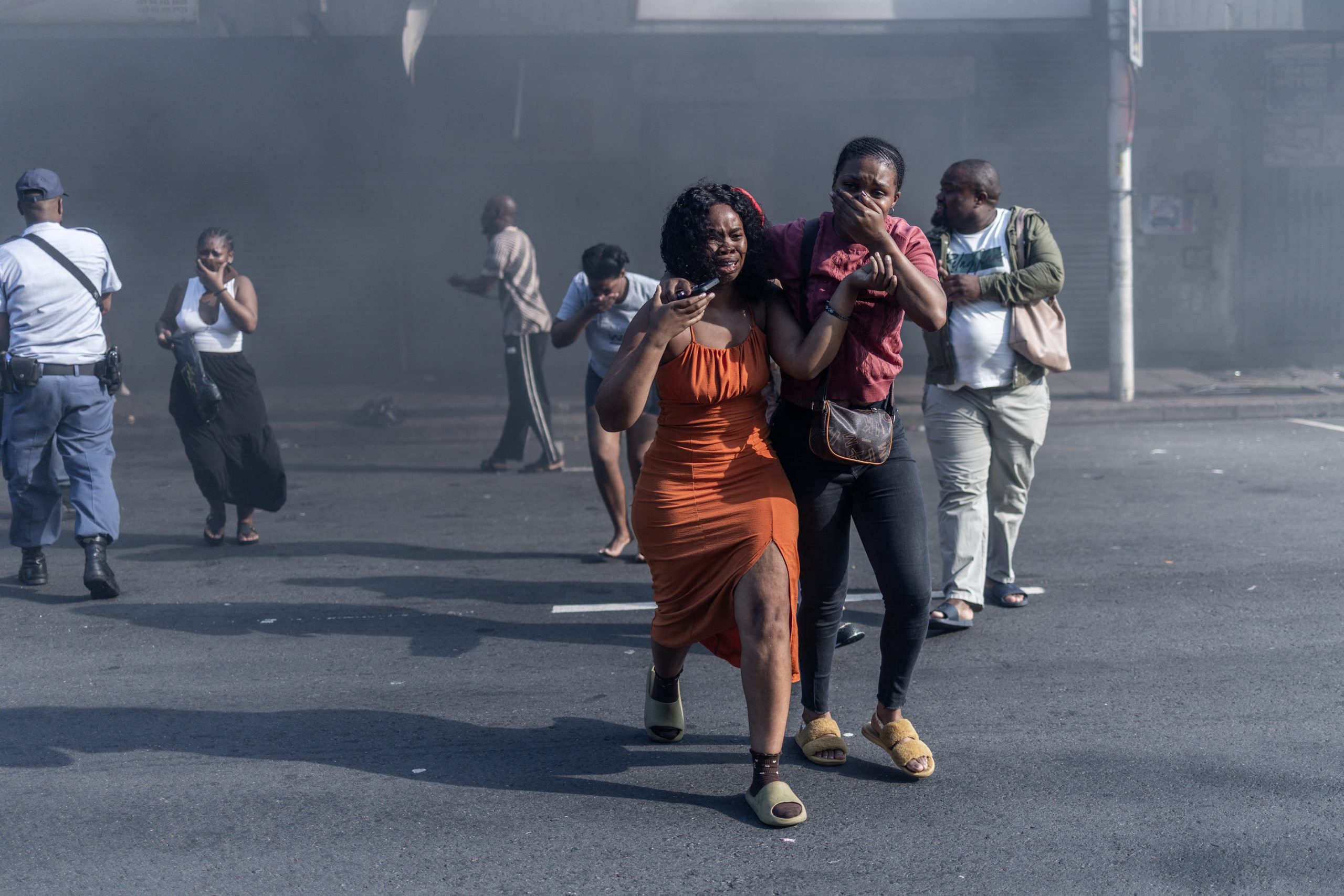
The Commission was established in November 2025 in response to the heinous incidents our nation faced during and after the sham elections of 29 October 2025 and the days that followed. These incidents included the murder (extrajudicial killings) of thousands of Tanzanians, where live bullets were fired at protesters and members of the civilian population, some in their homes, others going about their daily business.
Other civilians were tortured and subjected to cruel, inhuman, and degrading treatment. Some were sexually assaulted, arbitrarily arrested, and detained, while thousands faced capital charges such as treason and terrorism. Others disappeared, leaving families to seek closure by burying clothes instead of bodies. Whistleblowers and investigative media have also reported people being buried in mass graves.
What, then, justified such unprecedented force and such egregious measures against civilians? It was Suluhu’s determination to stay in power. She staged what was effectively a coronation, branded as an “election,” to extend her rule. The people refused; some protested in the streets. In response, Samia Suluhu’s regime deployed lethal force to suppress their demands.
Who authorized the use of force? Plainly, Samia Suluhu. Her own statements, her desperation to defend an illegitimate presidency, and the fact that no one would use such unprecedented lethal force without state sanction all point directly to her.
Earlier in November, when the internet was briefly restored for Suluhu’s swearing-in at a military barracks, many expected her to show remorse and console the bereaved families. She did not. She instead depicted the protesters as foreign agitators from a neighbouring country, especially Kenya, a line she has often repeated. But no one deserves to die for protesting, whatever their nationality, so this blame‑shifting collapses immediately.
Samia Suluhu claimed the force used was proportionate, justifying it by citing protesters’ remarks about a potential Madagascar‑like scenario. This raises serious concerns about her rationale for using lethal force against civilians, especially since she never spelt out her objectives. Even if she feared being overthrown, what legitimate recourse is there when there is a clear popular demand for you to step down and leave public office?
Suluhu has been recorded telling parents worried about their missing children, or those killed, tortured, or imprisoned, that they should have warned them not to protest. In effect, she appears to have authorized the killing of protesters or their abuse through other inhuman treatment. This is a blatant admission of guilt.
In a Zanzibar speech, Suluhu implied that people from “the other side” (Tanganyika) would no longer protest, suggesting the violence had effectively deterred further demonstrations.
Collectively, these statements show that Samia authorized and had full knowledge of the planned use of lethal force against protesters, considers it justified, blames parents for their children’s protests, and acknowledges deterring future dissent. Great riddance, right? We shall return to this.
This analogy demonstrates that Samia Suluhu cannot credibly establish a Commission to investigate her own actions. She set up the Commission of Inquiry only after learning of growing calls for an independent inquiry into the massacre she orchestrated.
Composition of the Commission
The Commission of Inquiry is made up entirely of members over sixty who previously served in the civil service through presidential appointment and still receive government pensions. It is widely believed that some remain members of the ruling CCM, chaired by Samia Suluhu. One member even served as Defence Minister at the time of the massacre, which seriously undermines her impartiality.
Overall, the Commission appears compromised and unable to credibly investigate the actions of those to whom its members are politically and financially tied. This concern over impartiality is heightened by the fact that members have repeatedly appeared in public, insisting they are independent.
Only few days ago, CoI member and former Chief Justice Ibrahim Juma held a press conference claiming they are independent and that their role is to show the world we can resolve “our own challenges.” Describing the massacre as “our own challenge” is disturbing. A powerful individual’s determination to cling to power led to the deaths of thousands of our compatriots. How can that be reduced to a mere challenge?
Hearing this from a former Chief Justice is chilling. Reducing murder and other heinous acts to a political issue to be managed, rather than crimes requiring accountability, is entirely in line with a Commission seemingly designed to whitewash Samia Suluhu. Its composition and public messaging underscore that it is neither independent nor credible.
Terms of reference
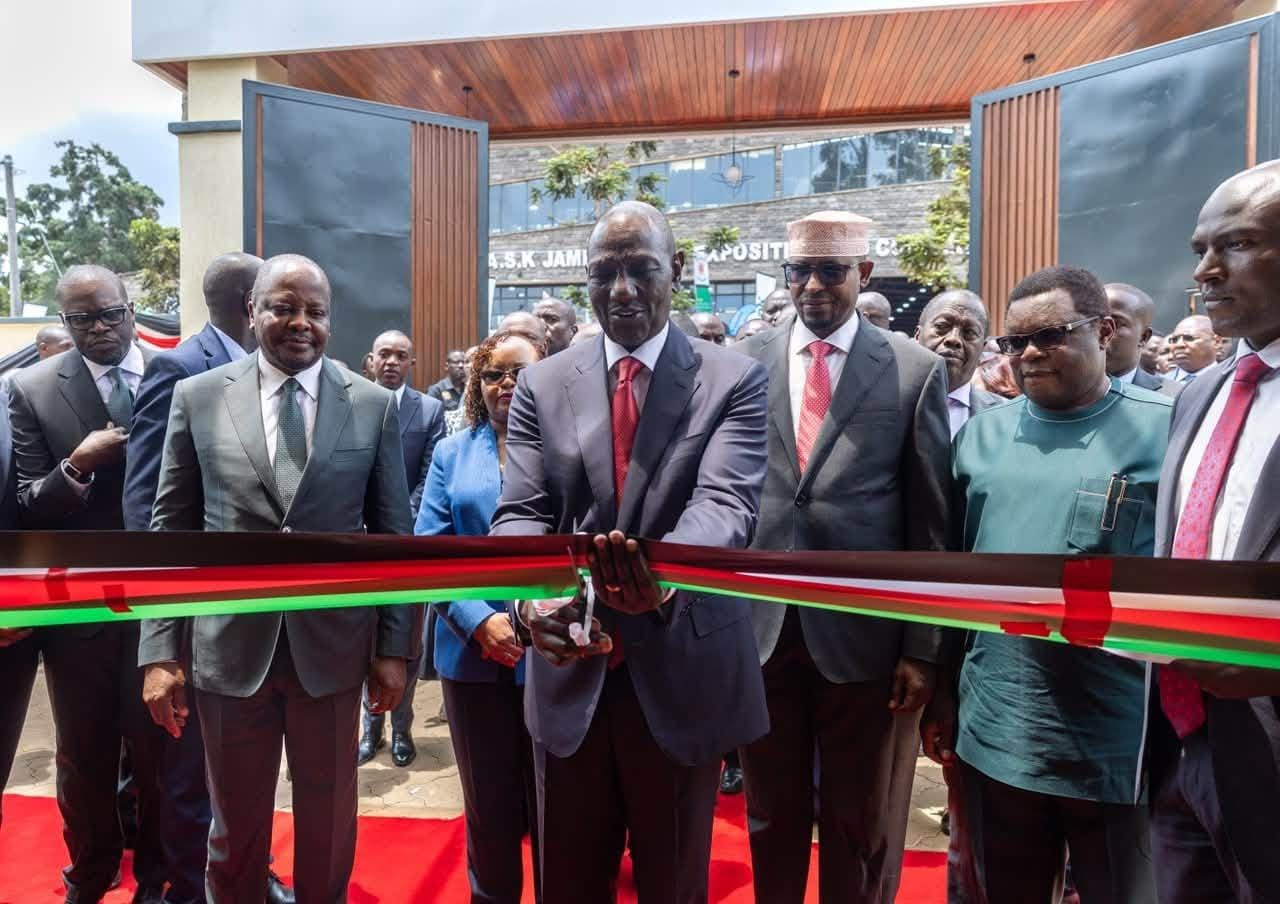
At the CoI’s commissioning on 20 November 2025, Suluhu urged it to investigate the causes of the 29 October incidents, including whether youth were mobilized to protest for justice and denied rights, so that steps could be taken to ensure those rights are fulfilled.
The Commission was also instructed to scrutinize opposition statements such as “lazima kinuke,” “hapatakalika,” “she must step down,” and “the election will not take place,” and to examine the relationship between CHADEMA and the Electoral Commission.
The Commission was directed to investigate the role of local and international NGOs, based on claims that some of the youth who protested were paid beforehand, and to identify the sources of this alleged funding. It was also asked to review the methods used to respond to and manage the unrest.
Yet the terms of reference, as verbally set out by Samia Suluhu and later gazetted, clearly aim not only to deny the massacre but to shift blame onto particular groups, youth who legitimately protested, the CHADEMA party, and local and international NGOs.
Government‑aligned bloggers have already been hired to promote a narrative that the protesting youth were paid and incited by CHADEMA and certain activists. This narrative is manifestly ill‑driven and blatantly false. In any case, could such allegations ever justify killing thousands of protesters with live bullets, or firing into people’s homes and shooting whoever comes into view?
Suluhu’s insistence on investigating foreign and local NGOs, which she claimed may have funded the protests, is a familiar tactic to deflect responsibility. This was reinforced by later claims from government‑affiliated bloggers and the illegitimate Prime Minister that the Ford Foundation had allocated $2 million to support protests.
I have been wrongly (perhaps deliberately?) listed among individuals supposedly funded by the Ford Foundation to incite unrest. This is categorically untrue. It is, however, entirely consistent with a broader effort to obscure the truth about the massacre.
Suluhu told the Commission of Inquiry that it was commissioned to pre‑empt any international inquiries, insisting that any external investigation into the massacre would have to work with the Chande Commission. This makes it clear that the CoI was an afterthought, triggered by growing pressure for an international inquiry and criminal accountability.
Her tactics may appear shrewd, but they merely delay the inevitable: rising demands for truth and justice. Concealing the massacre she orchestrated does nothing to quell the outcry, anger, and hopelessness felt by grieving Tanzanians.
Hence, my argument that the Commission of Inquiry operates under a narrowly tailored mandate, designed to recast the October 29 massacre as a simple breach of peace, rather than a systematic massacre carried out under shoot‑to‑kill orders. This framing trivialises the gravity of the events, reducing them to a public‑order issue.
In reality, Samia committed crimes against humanity, a fact the Chande Commission is effectively instructed to ignore. Its vague terms of reference do not confront the central question: the state’s deliberate and excessive use of lethal force.
‘Modus operandi’ of the CoI
The Commission of Inquiry initially held its proceedings in public, and in a country of seventy million people, it was inevitable that a few individuals desperate for justice would appear. Yet the wider public stayed away, withholding from the Commission the broader participation that might have elevated its credibility. Meanwhile, the CoI’s operations remained opaque: there was no clear information on witness protection or on how evidence would be safeguarded.
The situation worsened when the Commission of Inquiry abruptly banned livestreaming of its hearings, without any explanation to the public. This followed reports that some would‑be witnesses had gone missing, amid rumours they had been disappeared by the Samia Suluhu regime to hide evidence. As a result, the CoI’s modus operandi appears highly troubling and offers little assurance that a credible process is taking place.

Reporting and acting on the Chande Commission report
The CoI is expected, if it ever completes its work, to submit a report to its appointing authority, Samia Suluhu. Since Suluhu authorized the blatant killing of protesters and civilians, she cannot be trusted to receive and act on a report that examines her own conduct.
In reality, Samia Suluhu alone will decide the report’s fate, leaving the Commission of Inquiry at her mercy. It is therefore unreasonable to expect the report to be released in full and unaltered; it will likely be used instead to whitewash the massacre and minimize Suluhu’s responsibility.
The Commonwealth Envoy – Former Malawi President Lazarus Chakwera was in Tanzania as a Commonwealth envoy, seeking to establish a clear account of the October 29 massacre to guide how the Commonwealth can help Tanzania move forward. I was consulted and shared my views, emphasizing accountability. As President Chakwera’s team is currently only conducting consultations, I will refrain from further comment until they take concrete next steps.
Accordingly, the gist of this piece is to reiterate that the findings of the Chande Commission of Inquiry should be viewed with deep skepticism due to its inherent conflicts of interest and lack of independence.
While I will refrain from delving into what constitutes a credible Commission of Inquiry, it is imperative to note that the Chande Commission appears to function primarily as a means of propaganda, aimed at exonerating perpetrators, redirecting blame, or constructing alternative narratives. I implore all right-thinking men and women to treat the Chande’s Commission of Inquiry with absolute contempt!
Tanzania would somehow move past October 29, but subject to truth, accountability, and justice!
By Tito Magoti
Tanzanian human rights activist & Advocate