The 7th of July is usually a very busy day in Dar es Salaam, home to the annual National Saba-Saba Trade Fair. But this year, the city looked different. Most streets were empty, as if the city’s nearly 6 million residents had vanished overnight.
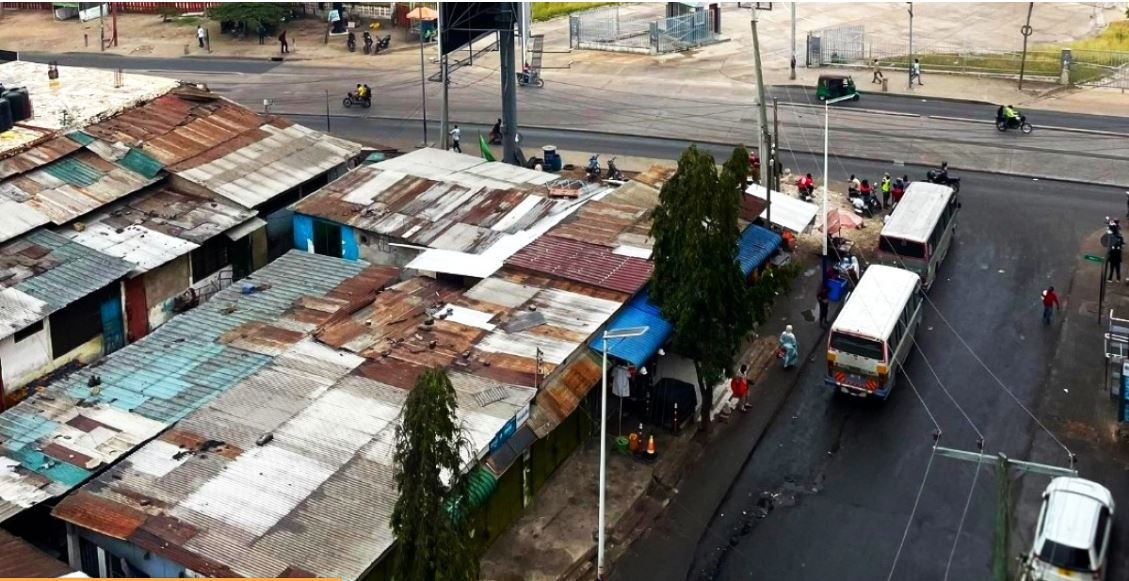
The reason became clear in the months leading up to the date. For more than two months, social media platforms carried calls for mass demonstrations across Tanzania. Young people in particular threatened to march nationwide, demanding the release of opposition leader Tundu Lissu, the adoption of a new constitution, and a repeat of the disputed general election held on October 29, 2025. That election, according to protesters, resulted in the killing of thousands of people and failed to stop enforced abductions, kidnappings, and unexplained murders.
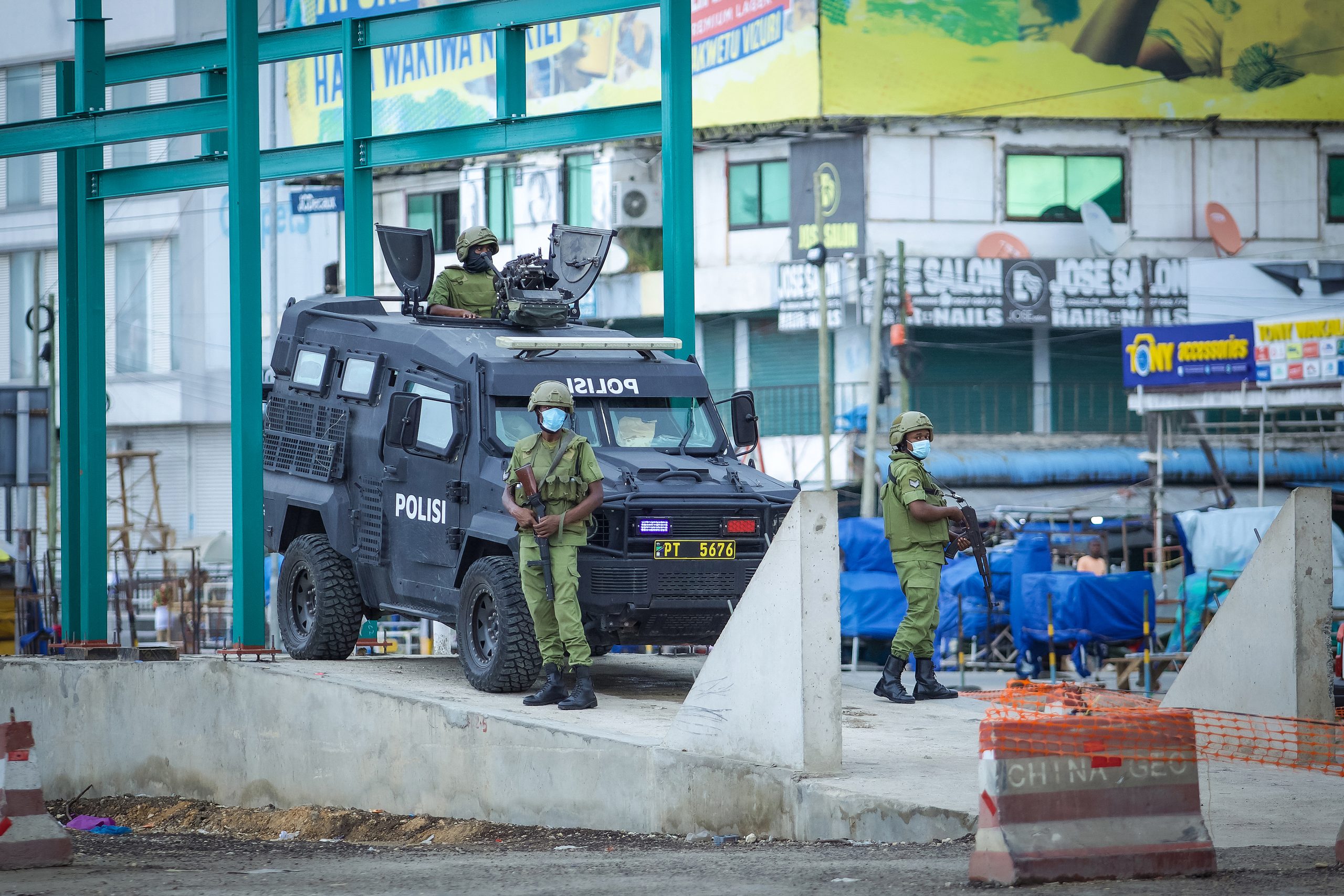
In the week before July 7, 2026, police officers and soldiers patrolled streets and roads in Arusha, Dar es Salaam, Mbeya, and Mwanza. Politicians aligned with the government issued warnings and threats against anyone planning to demonstrate.
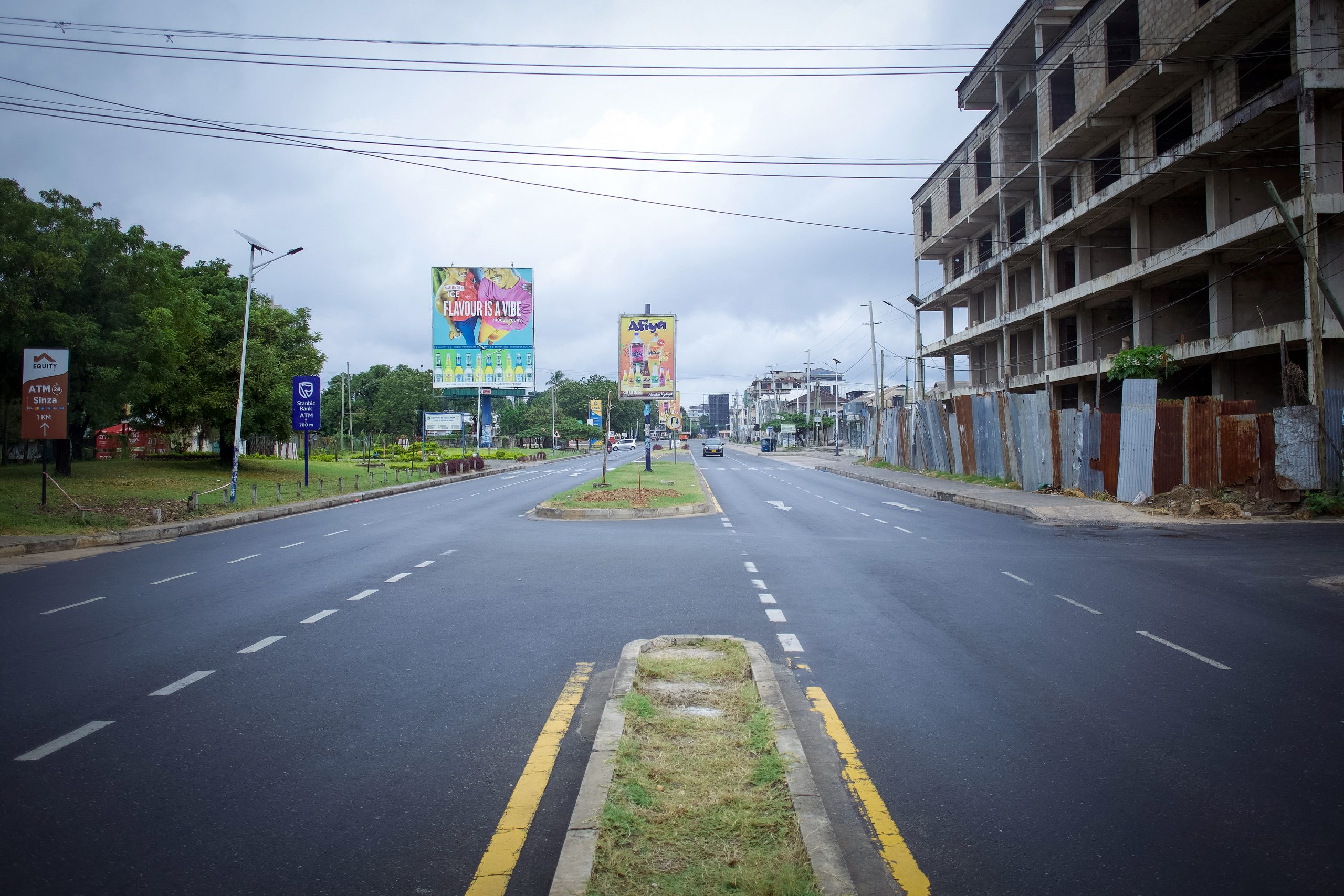
The result was a nationwide freeze. On the planned day of demonstrations, most Tanzanians stayed in their homes. Businesses remained closed, public transport stopped running, and the normally well-attended Saba-Saba Trade Fair in Dar es Salaam suffered major losses. Even the Kariakoo market, usually crowded with traders on weekends and holidays, was cold and closed.
Observers described the atmosphere as a demonstration in itself. Activists who promoted the stay-away claimed success, saying their call was heeded because most people downed tools.
The shutdown hit the economy hard. Business owners said bringing towns and cities to a standstill was damaging to trade and to the economy as a whole. Gas station owners were especially cautious, recalling the October 29, 2025, unrest when fuel outlets were set ablaze by protesters. Between July 6 and 7, 2026, all pumps remained closed and under heavy guard.
The choice of Saba-Saba day was deliberate. July 7 is a public holiday in Tanzania. After independence in 1961, Saba-Saba was observed as the founding day of the Tanganyika African National Union, TANU, the movement that led the country to freedom. TANU was founded in Kariakoo, Dar es Salaam, on July 7, 1954, the same day young scholar Julius Kambarage Nyerere became its chair. TANU later replaced the Tanganyika African Association, TAA, an earlier movement that kick-started the mainland’s fight for independence.
When another party was formed on February 5, 1977, the Saba-Saba date was redesignated as Farmers’ Day. It kept that status until 1994, when the annual national agricultural week began, culminating on August 8 instead. Since then, Saba-Saba has remained a holiday without a special designation. Residents of Dar es Salaam continued to mark it by attending the Trade Fair on Saba-Saba grounds, a tradition that was heavily affected this year.