Fuel prices in Tanzania have gone up sharply starting April 1st, 2026, following a new announcement by the Energy and Water Utilities Regulatory Authority (EWURA). Motorists across the country woke up to higher pump prices just hours after the new rates were released.
In Dar es Salaam, petrol is now retailing at Sh3,820 per litre, up from Sh2,864 in March. Diesel has risen to Sh3,806 per litre, while kerosene now costs Sh3,684 per litre. The increase, which is over 30% for petrol and diesel within just one month, has been linked to the ongoing conflict in the Middle East involving the United States, Israel and Iran.
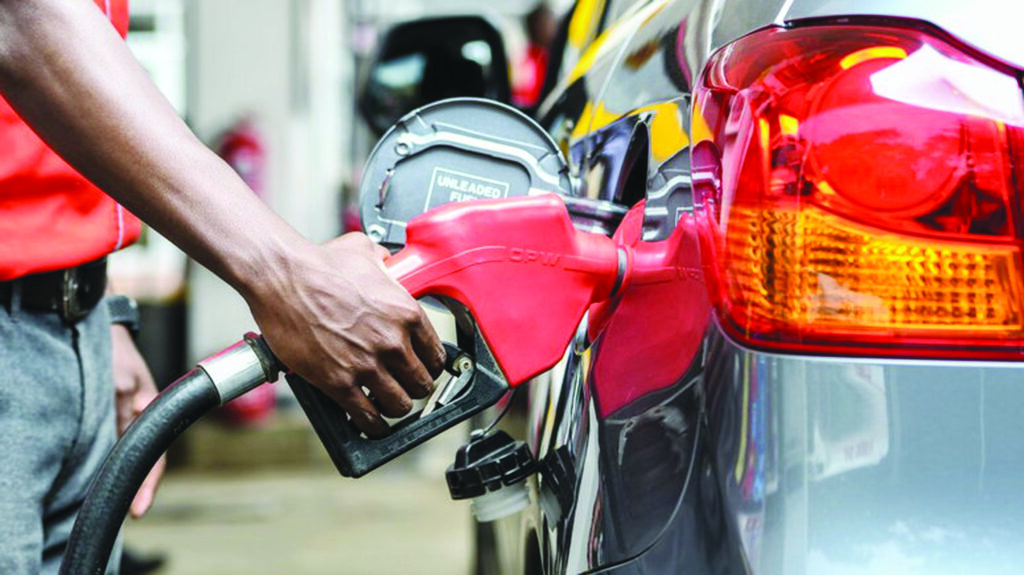
According to EWURA, the situation has disrupted oil production and supply routes, especially after attacks on oil facilities and the closure of the Strait of Hormuz, a key global route that carries about 20% of the world’s oil. As a result, the cost of fuel in the international market has gone up significantly. For April, the global reference prices rose by nearly 70% for petrol, over 114% for diesel and more than 120% for kerosene. The crisis has also pushed up shipping and insurance costs, making fuel imports more expensive for countries like Tanzania, which depends entirely on imported petroleum products. For ordinary citizens, the impact is already being felt. There are growing concerns that transport fares and the cost of goods will rise in the coming days.
Despite the price increase, the government says the country has enough fuel in storage to last for about three months. Current reserves stand at over 563 million litres of petrol and 530 million litres of diesel. Authorities have also warned traders against hoarding fuel to take advantage of the new prices, saying action will be taken against those found engaging in the practice.
While supply remains stable for now, the main concern remains the rising cost, as Tanzania continues to feel the effects of a global fuel crisis beyond its control.