The African Court on Human and Peoples’ Rights has ordered Tanzania to amend a constitutional provision that bars courts from hearing petitions challenging presidential election results.
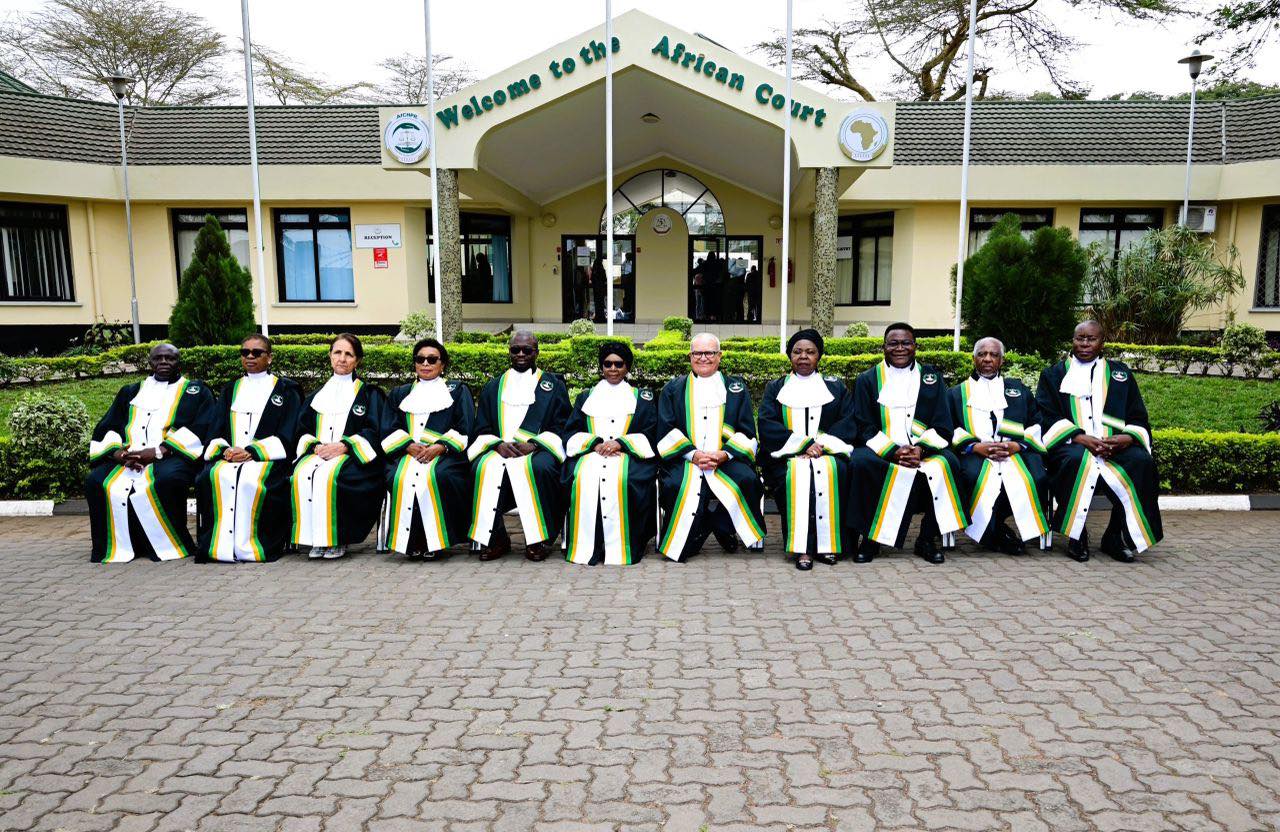
In a judgment delivered on March 6th 2026 in Arusha, the Court ruled that Article 41(7) of the Constitution of the United Republic of Tanzania violates provisions of the African Charter on Human and Peoples’ Rights, particularly the right to seek legal remedy and to have a case heard before competent national bodies.
The article states that “When a candidate is declared by the Electoral Commission to have been duly elected in accordance with this Article, then no Court of law shall have any jurisdiction to inquire into the election of that candidate.”
The case was brought before the Court by applicants who argued that the provision denies citizens the opportunity to challenge the outcome of presidential elections through the courts.
According to the applicants, the continued existence of Article 41(7) violates the right to non-discrimination, equal protection of the law and the right to have a case heard, including the right to appeal against actions that violate fundamental rights.
In its ruling, the Court agreed with the applicants and found that the provision limits access to justice and denies citizens the opportunity to challenge presidential election results through legal channels.
The Court therefore held that Tanzania must amend the constitutional provision to ensure that presidential election results can be challenged before courts, in line with the principles of the African Charter on Human and Peoples’ Rights.
Order of the Court
In their determination, the seven-judge bench sitting in Arusha ordered the Respondent State to take all necessary constitutional and legislative measures to ensure that Article 41(7) of the Constitution is amended and aligned with the provisions of the Charter.
The Court further directed the government to submit a report within twelve months of the judgment outlining the steps taken to implement the ruling, and thereafter submit additional reports every six months until the Court is satisfied that the decision has been fully implemented.
The Respondent State was also ordered to publish the judgment within three months from the date of notification on the official websites of the Judiciary and the Ministry for Constitutional and Legal Affairs.
The Court further directed that the judgment remain publicly accessible on those platforms for at least one year after publication.
The ruling is expected to have significant implications for electoral accountability in Tanzania, as it opens the door for presidential election results to be challenged in court, something that has long been barred under the current constitutional framework.