Five months after Tanzania’s October 29, 2025, General Election was marred by violent unrest and deaths, the Presidential Commission of Inquiry, chaired by retired Chief Justice Mohamed Chande Othman, remains at the center of national debate. While the government and commission members insist the body is independent and vital for national healing, opposition parties, civil society groups, and some citizens continue to question its credibility, timing, and the parallel role of Commonwealth envoy Dr. Lazarus Chakwera.
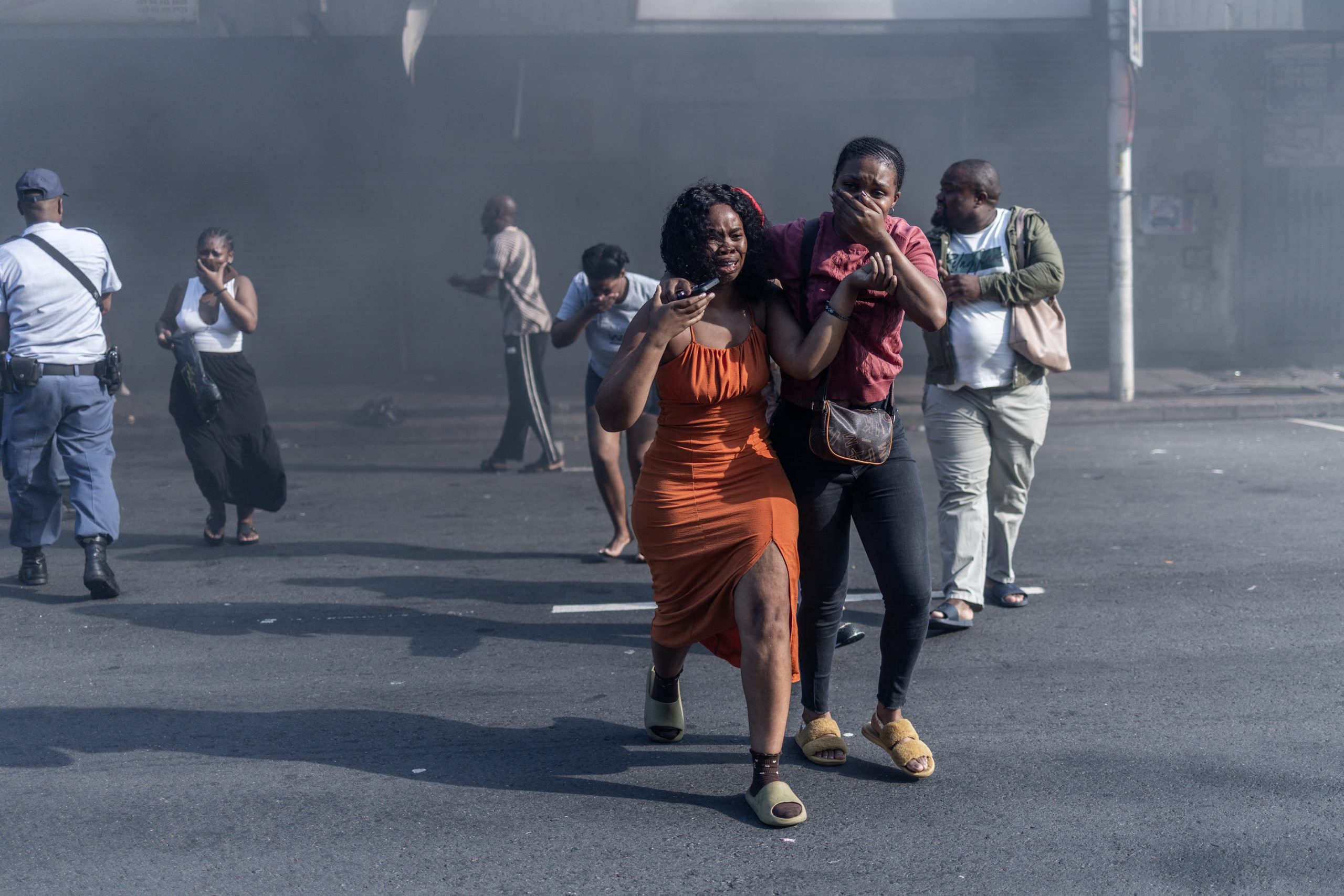
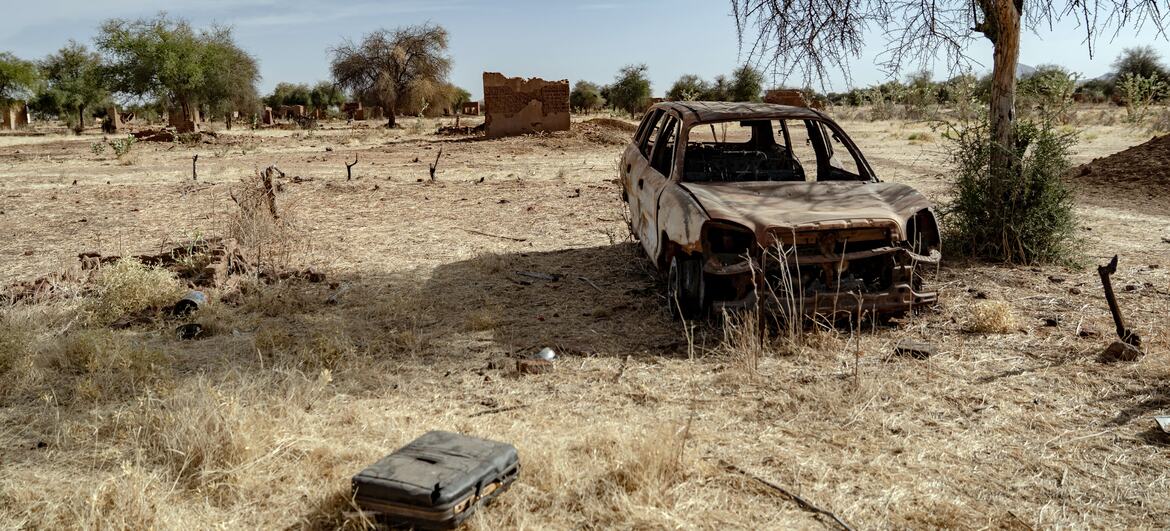
The unrest that followed last year’s polls left several people dead, others injured, some still missing and both public and private property destroyed across multiple regions. In response, President Samia Suluhu Hassan appointed the Chande Commission in November 2025 to investigate the root causes of the violence, assess the conduct of security agencies, and recommend measures to prevent future disturbances. Yet from its inception, the commission has faced scrutiny over who is investigating, how, and to what end.
Questions of Independence and Composition
The most persistent criticism leveled at the commission concerns its membership. Chaired by Justice Chande, the body also includes former Chief Justice Ibrahim Juma, former Chief Secretary Ombeni Sefue, former Inspector General of Police Said Mwema, and former Defence Minister Stergomena Tax, among others.
Lawyers and activists argued that having a panel composed entirely of former senior public officials undermined public confidence. In petitions filed at the High Court in Dar es Salaam, they claimed the commission was created “in violation of the law,” lacked representation from independent professional bodies and civil society, and that some members had potential conflicts of interest due to past government roles.
The petitioners asked the court to annul the President’s decision to appoint the commission, arguing that its formation violated principles of natural justice. Major opposition parties, including Chama cha Demokrasia na Maendeleo (Chadema) and ACT Wazalendo, echoed those concerns. Both parties questioned the legitimacy of the appointment process and the credibility of some members, and reportedly declined to submit their views to the commission.
Justice Chande has repeatedly defended the commission’s work. Speaking to journalists shortly after the inquiry began, he said the commission knew its performance would be scrutinized both nationally and internationally and was committed to focusing on “what Tanzanians expected from the inquiry”. He later added that the commission had “no brokers” and was operating independently.
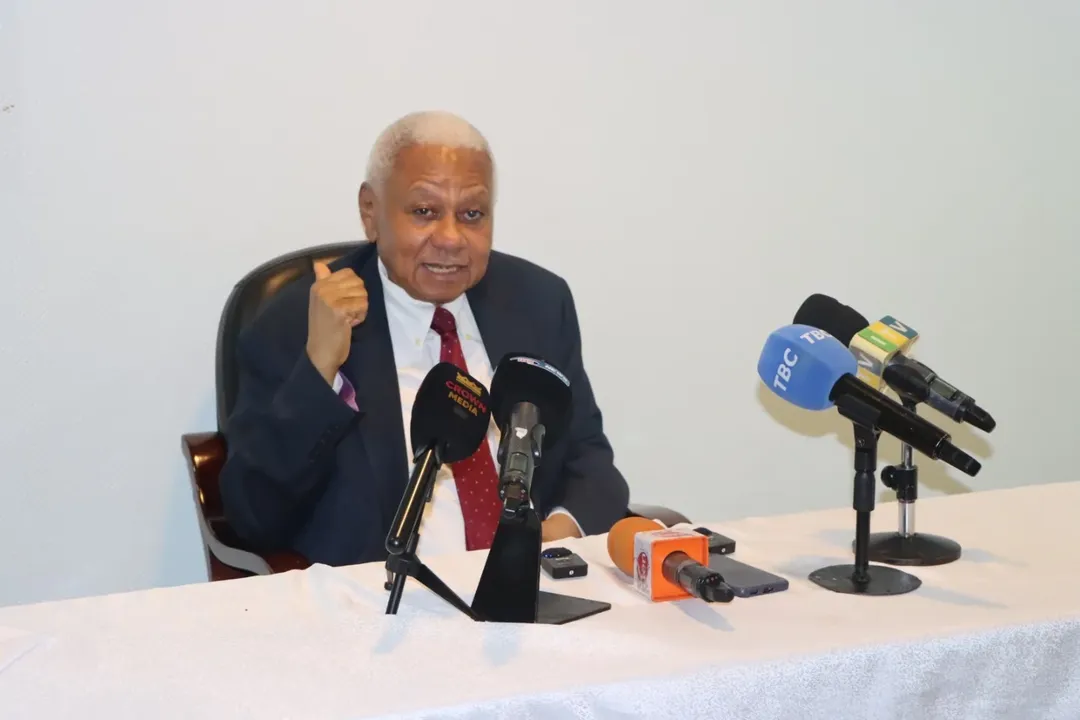
On March 13, 2026, the High Court in Dar es Salaam dismissed the legal challenge, ruling that President Samia had acted within her legal powers under Section 3 of the Commissions of Inquiry Act, Chapter 32, and had not exceeded her authority. Following the ruling, lawyer Hekima Mwasipu, representing the applicants, said his clients were dissatisfied and had authorized an appeal.
Timing, Extensions, and Public Suspicion
The commission’s timeline has also drawn criticism. It was initially expected to submit its report within weeks, but requested an extension to complete interviews, review evidence, and prepare the final document in both Swahili and English. Critics viewed the delay with suspicion, suggesting it reflected either inefficiency or political maneuvering. Justice Chande countered that the extension was necessary due to the “scale of work” and the need for thoroughness.
The Commonwealth Factor: Dr. Chakwera’s Role
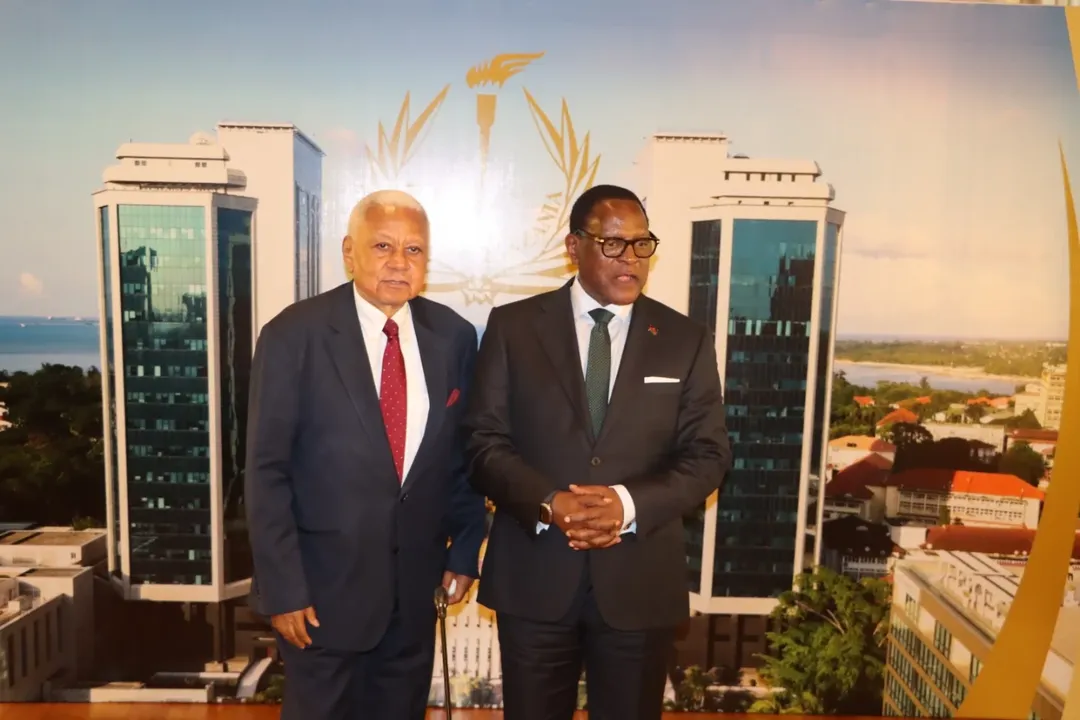
In parallel with the domestic inquiry, former Malawi President Dr. Lazarus Chakwera arrived in Tanzania as a Commonwealth envoy under the “Good Offices” initiative. Appointed by Commonwealth Secretary-General Shirley Ayorkor Botchwey, Dr. Chakwera’s mandate is to promote dialogue and reconciliation by engaging government institutions, political parties, civil society, and religious leaders.
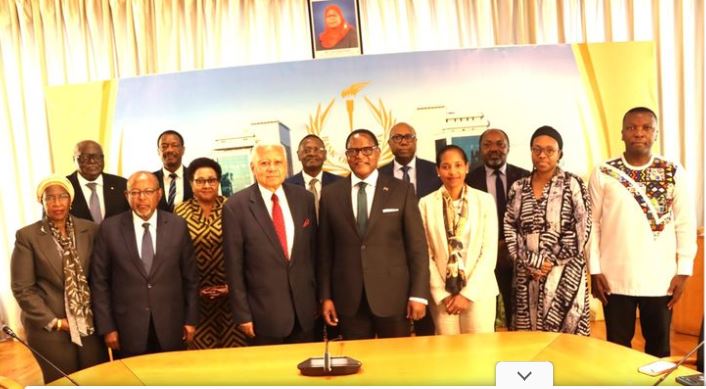
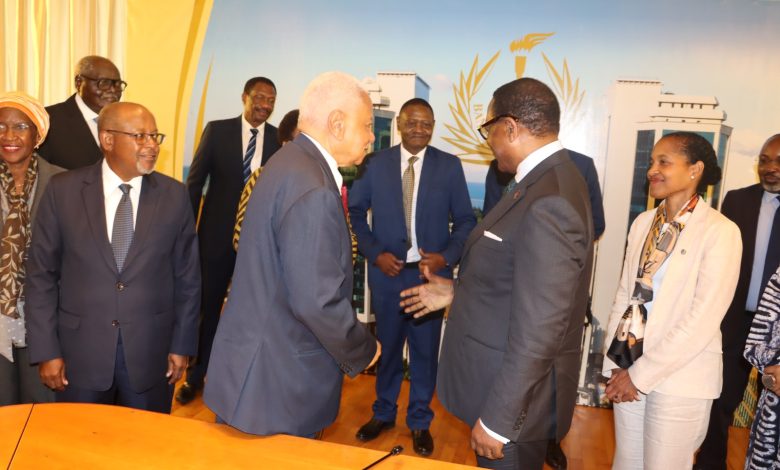
Two days ago, Dr. Chakwera met the Chande Commission for about two hours. According to Justice Chande, the meeting focused on the commission’s mandate, terms of reference, and ongoing work related to election disturbances. “The main issue was to explain the commission’s duties and terms of reference, which are already publicly known,” Justice Chande said.
Dr. Chakwera said his delegation is in Tanzania “to help seek solutions to what happened during and after the election” and expressed optimism that stakeholders were focused on finding solutions. He is expected to continue consultations until April 16, when he will submit a report to the Commonwealth Secretariat.
However, the Commonwealth’s involvement has added another layer of controversy. Some Tanzanians question why an external team is needed if the domestic commission is independent. Others argue that international attention was inevitable given the scale of violence and is necessary to ensure accountability. Critics of both processes warn that overlapping inquiries risk confusing the public and diluting responsibility.
There have been reports of discrimination in the selection of people required to give their views during town hall meetings with the two commissions. The boycott by major opposition parties means large segments of the political spectrum are not participating, raising questions about whether the final report will be seen as legitimate. The presence of former security and defense officials on a body investigating security force conduct has been a particular flashpoint.
According to Godbless Lema, Chadema Official, the Chakwera and Chande commissions will not dispense justice to the affected families.
‘’Do you think the mother or the brother whose child was killed will have the opportunity to submit their views before Chakwera’s team? If the witnesses are people who are selected or recommended, what kind of report do you expect? Wondered Lema
What the Commission Is Investigating
The Chande Commission’s terms of reference are broad. It was tasked with examining the root causes of violence during and after the October 29, 2025, election, where deaths, injuries, property destruction, and economic/social consequences were witnessed.
Also, the commission was tasked to look into the relations between political parties and the Independent Electoral Commission; The alleged role of domestic and foreign non-governmental organizations in the events of October 29; Whether alternative dispute-resolution mechanisms existed other than demonstrations; and Actions taken by State security agencies in responding to unrest and whether those measures were appropriate or excessive.
Justice Chande noted that the commission is also looking at “remarks issued prior to the election” that may have inflamed tensions.
For now, Tanzania faces a dual test: whether the Chande Commission can produce findings that are both credible and consequential, and whether the Commonwealth’s diplomatic engagement can bridge divides rather than deepen them. As Justice Chande himself noted, the commission’s work is being watched “nationally and internationally”. The challenge is ensuring that the outcome restores trust in Tanzania’s electoral and judicial processes, rather than entrenching the very doubts it was meant to resolve