After a pause of nearly two months, the treason case facing CHADEMA Vice Chairperson Tundu Lissu is expected to resume in 2026.
The case was put on hold mainly because courts went into the usual end-of-year recess, which slowed down hearings across the country.
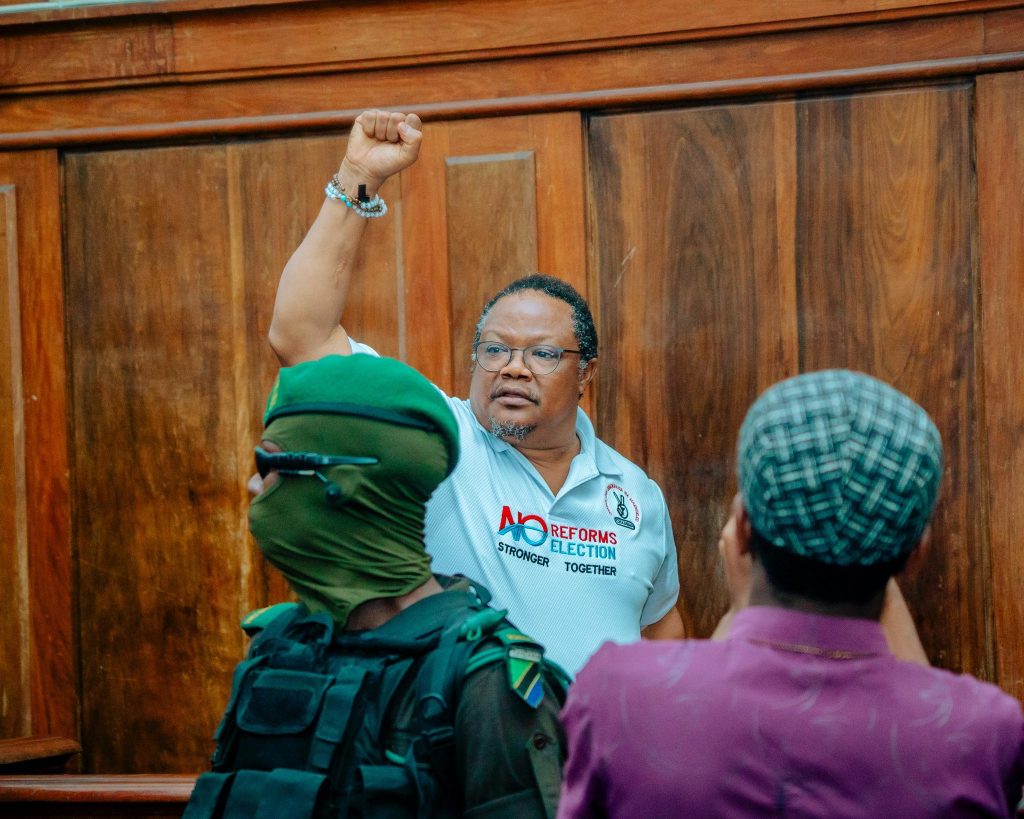
Lissu, a long-time opposition politician and one of the government’s sharpest critics, is facing treason charges linked to allegations from April 2025. The case has sparked wide debate about political freedoms, the space for opposition politics and how justice is handled in cases involving top political figures.
Since the hearings began, the matter has gone through several legal stages, including preliminary sessions, arguments from both sides and court decisions on different objections raised during proceedings. Lissu is representing himself and has repeatedly pushed for an open process and a hearing that moves without unnecessary delay, citing constitutional rights and the rule of law.
The court last adjourned the case on November 12, 2025, saying the break was tied to the court’s closure during the holiday period.
Where the case stopped
On Wednesday, November 12, 2025, the case was adjourned to an unknown date, pending a fresh schedule from the court registry.
That day had been set aside for the prosecution to continue with its fourth witness, described as a protected (secret) witness.
Before the adjournment, prosecutors introduced the witness identified as P11, who was placed in a special concealed area. Observers and the accused could not see the witness. Lissu also protested that even the judges could not see the witness under the arrangement used that day.
Lissu objected, arguing the setup did not match the legal meaning of a “special witness booth” under Tanzania’s witness protection rules. He raised several points, including:
- That the law allows a protected witness to be hidden from the public and the accused, but not from the judges.
- That it was improper to proceed with a witness whose identity was unknown even to the court and the accused and he asked the court to clarify what kind of witness qualifies for protection under the rules.
- That an earlier High Court order allowing some witnesses to be treated as protected had limits and he asked for clarity on whether it still applied at this stage of the case.
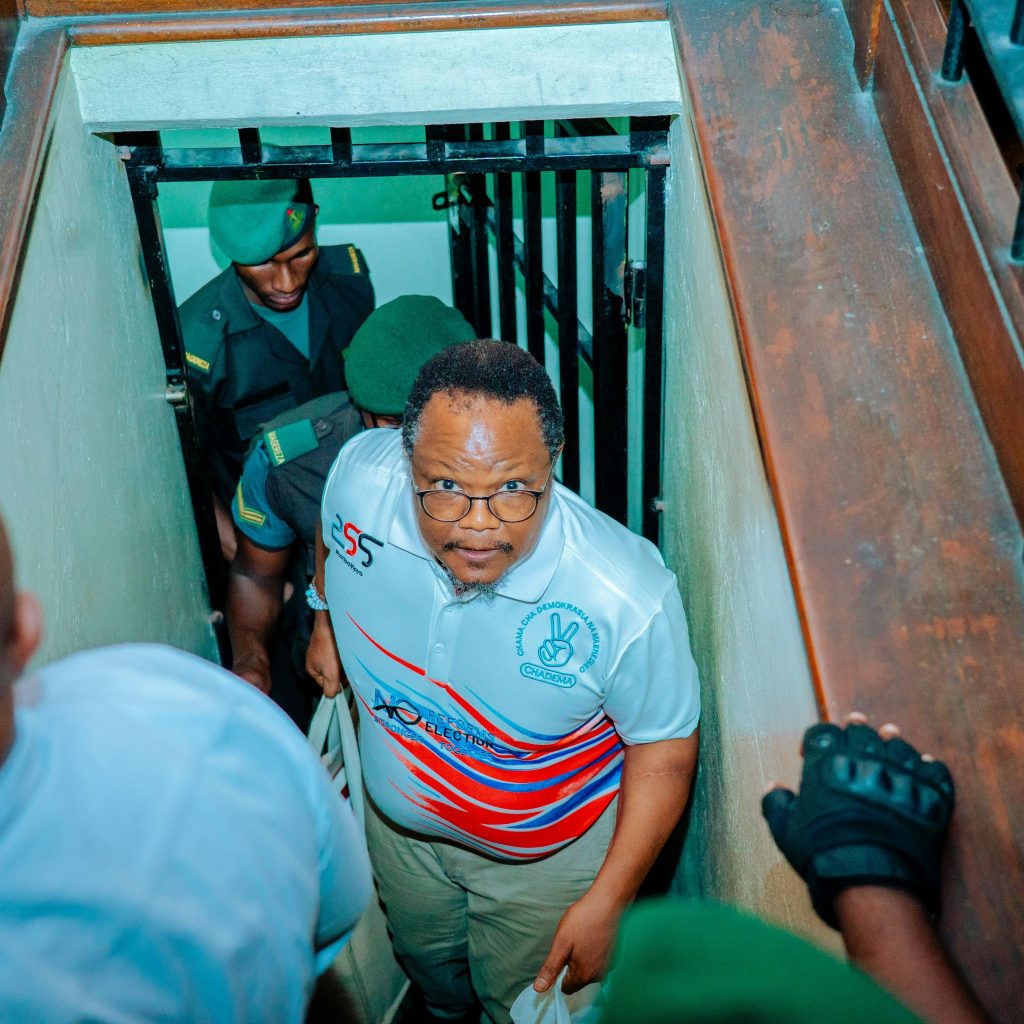
Prosecution asked for more time
The prosecution team led by the State Attorney General’s office and headed in court by Government Attorney Nassoro Katuga, told the judges they needed more time to respond fully to Lissu’s objections. They said his arguments touched on several provisions of local and international law and required deeper review.
Katuga also noted that, under a court notice tied to the hearing schedule, November 12 was the final day of court sessions before the recess and the case timetable had reached its end.
For that reason, the prosecution requested an adjournment to prepare their response.
Judges adjourned, waiting for a new schedule
A three-judge panel led by Justice Dunstan Ndunguru, assisted by Justices James Karayemaha and Ferdinand Kiwonde, agreed to adjourn the matter.
The judges said the case would continue once the court registry issues a new timetable. It was not clear when that schedule would be released, but the court said both sides would be notified once dates are set.
The trial had formally started on September 28, 2025. Much of the period up to November 12, 2025 was taken up by objections and legal arguments. Since the evidence stage was not completed, the case is expected to proceed once the court provides new dates.
When the case may return
Under normal court procedures, the case is expected to return in January 2026 but no official hearing date had been publicly confirmed at the time of the last session.
Legal observers say the return could mark a new phase in the trial, though it remains unclear whether the court will pick up from where it stopped or move into a different legal stage.
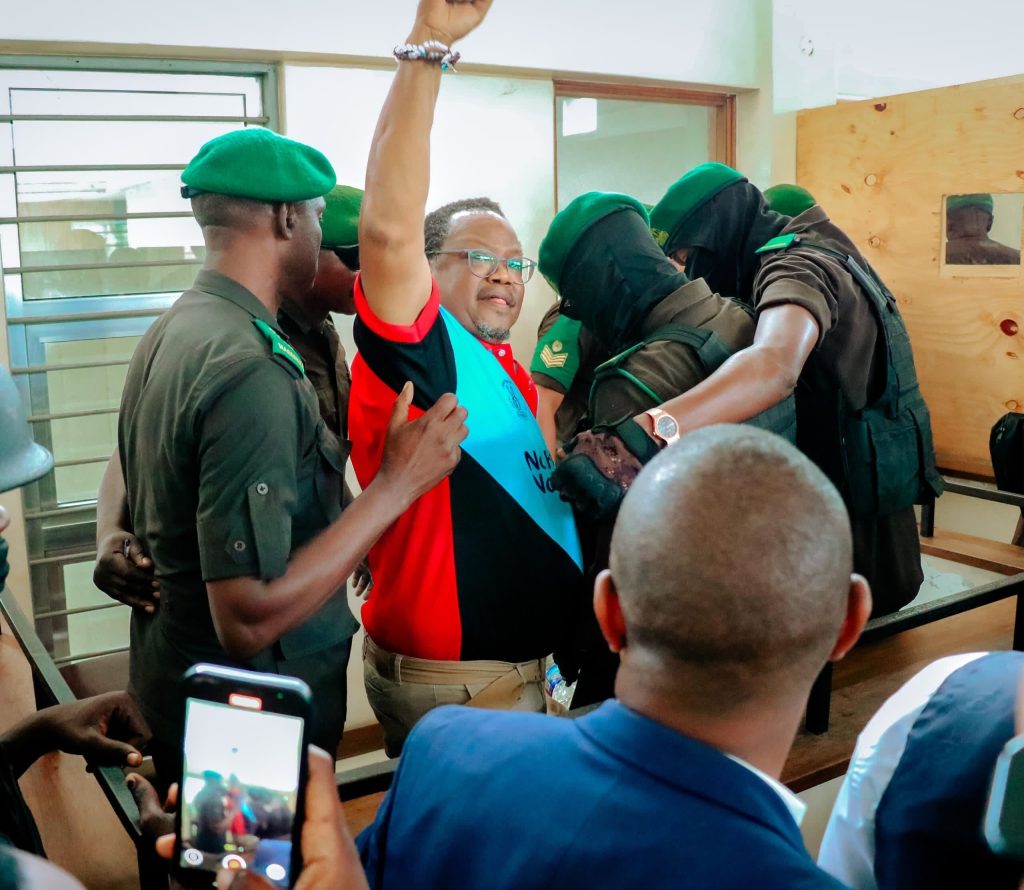
The political context
Lissu’s case has drawn strong attention because of his role in Tanzania’s politics. Supporters see it as part of a wider pattern of pressure on opposition figures.
Government officials, on their part, have repeatedly insisted that the courts are independent and make decisions based on the law, without political interference.
Human rights groups and civil society voices have called for the case to be handled openly, fairly and without delays that lack clear justification. Many say how the case proceeds will be closely watched as a measure of the rule of law and democratic space in Tanzania.
Next step?
For now, the outcome remains in the hands of the court. Attention has shifted to January, as many wait to see what direction the next phase will take.
What is clear is that once hearings resume, the case is likely to reignite national debate on justice, politics and the courts’ role in politically sensitive cases.
Background: Arrest and detention
Lissu has now spent over 260 days in custody, according to the timeline in court records cited in the proceedings.
He was first arrested on April 9, 2025, in Mbinga District, Ruvuma Region, while on a political tour. He was later taken to Dar es Salaam, where he appeared at Kisutu Magistrate’s Court on April 10, 2025 and was charged with treason.
Under Tanzanian law, a treason charge is not bailable, meaning he has remained in prison since his arrest.