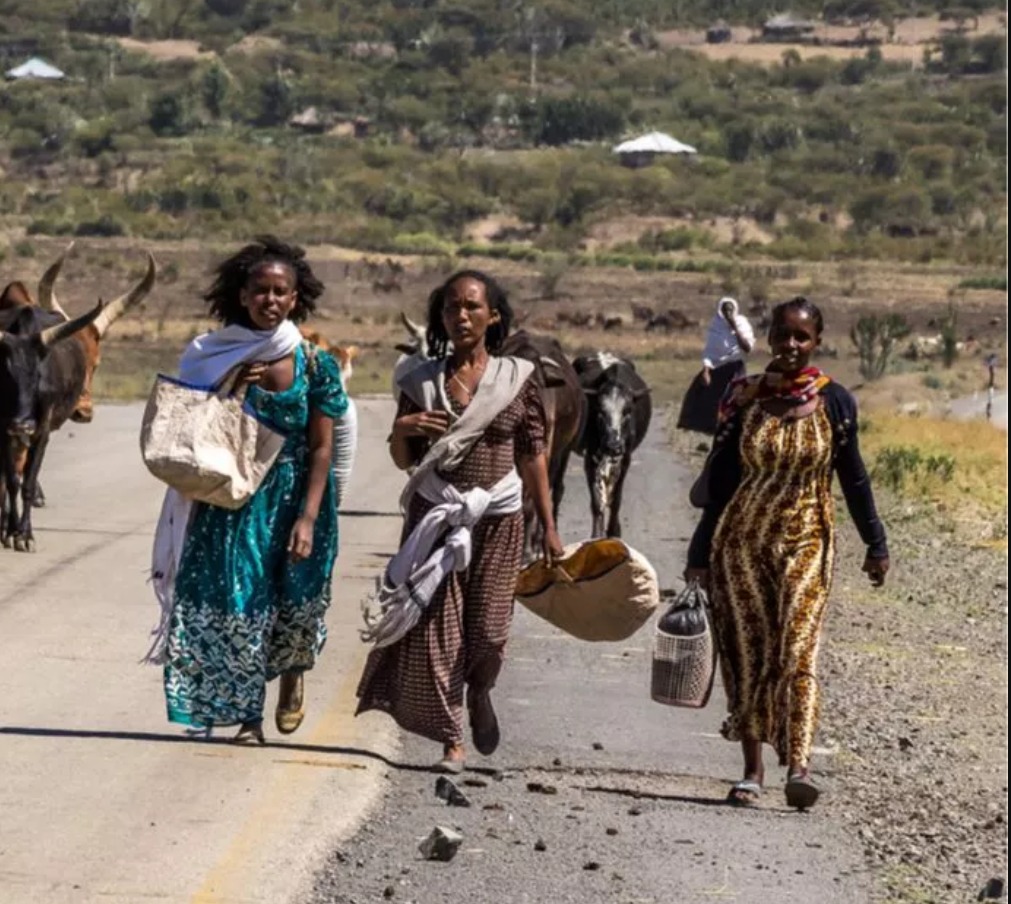
Ethiopia tasks UN to help rebuild Tigray infrastructure
The “national recovery programme” aims to rebuild infrastructure, improve access to essential services and help victims of gender-based violence, the finance ministry said in a statement.
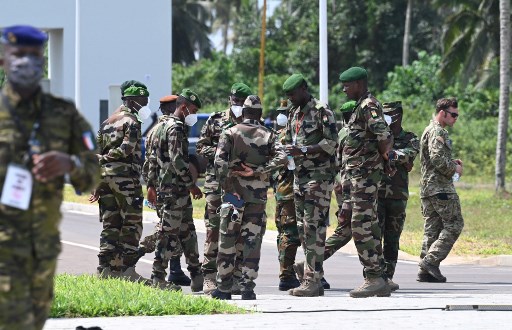
Ivory Coast inaitaka Mali kuwaachilia huru wanajeshi wake 49 waliozuiliwa katika uwanja wa ndege wa Bamako na kushutumiwa na maafisa kuwa mamluki.
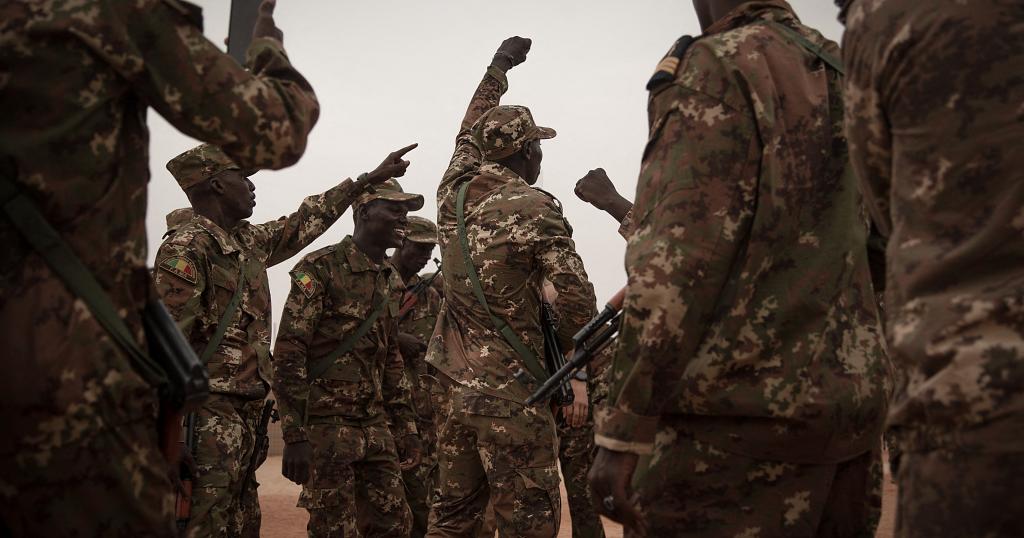
An Ivorian diplomat previously said some of the soldiers had been sent to join the UN’s peacekeeping mission MINUSMA.
The force said it believed they were part of a unit that provided routine logistical support to the Ivorian military contingent of MINUSMA.
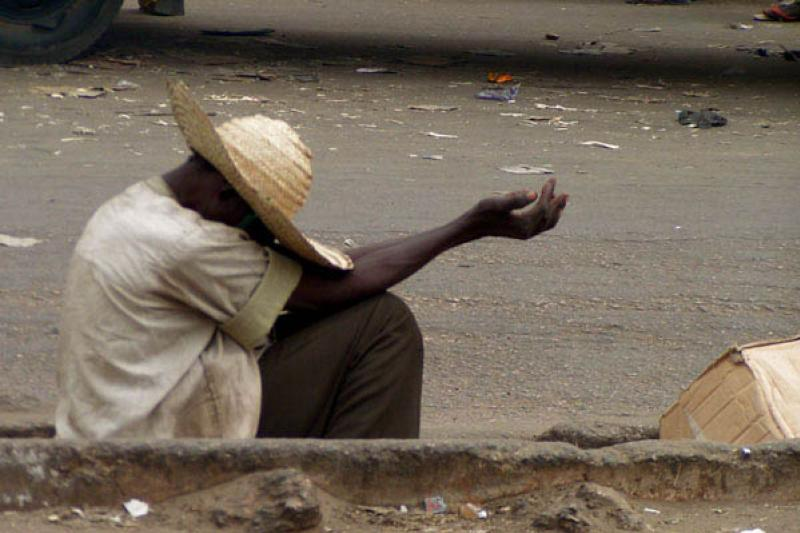
Nearly 300 beggars and street children were arrested between Wednesday and Thursday, according to the National Federation of Associations for Children in Burundi (FENADEB), an umbrella group representing 70 civil society organisations.
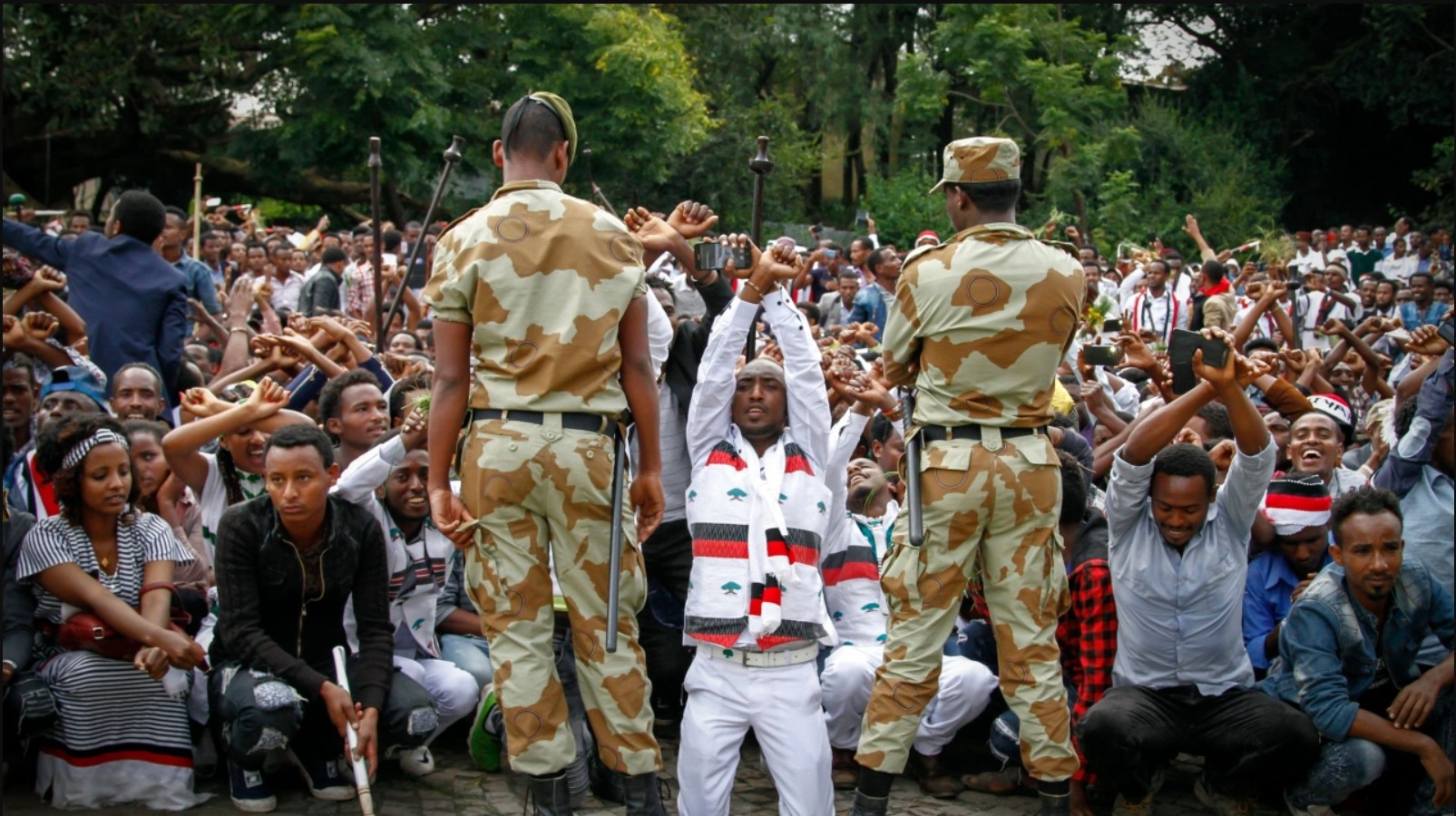
Parliament’s announcement came as the African Union called for a probe into killings in western Oromia and urged the Ethiopian authorities to ensure that citizens are protected.
The lower house said it had adopted a resolution to create a special committee to investigate “inhumane acts perpetrated against the citizens of our country”.
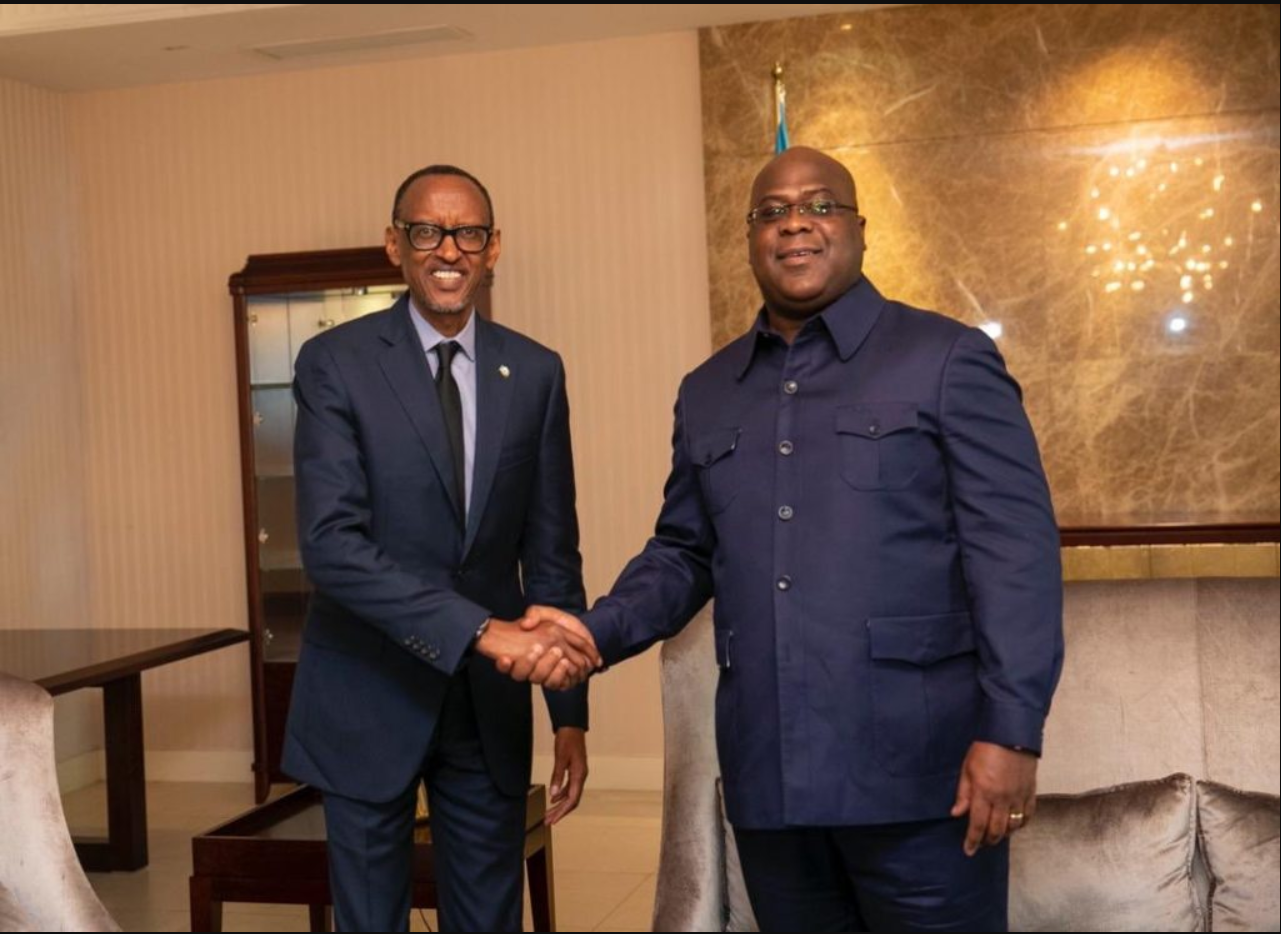
The leaders are also aiming in the short-term to “create the conditions” for the return to DRC of former M23 fighters living in Rwanda.
The announcements came after day-long talks intended to defuse the current tensions on the border between the two countries and bolster peace in the subregion.
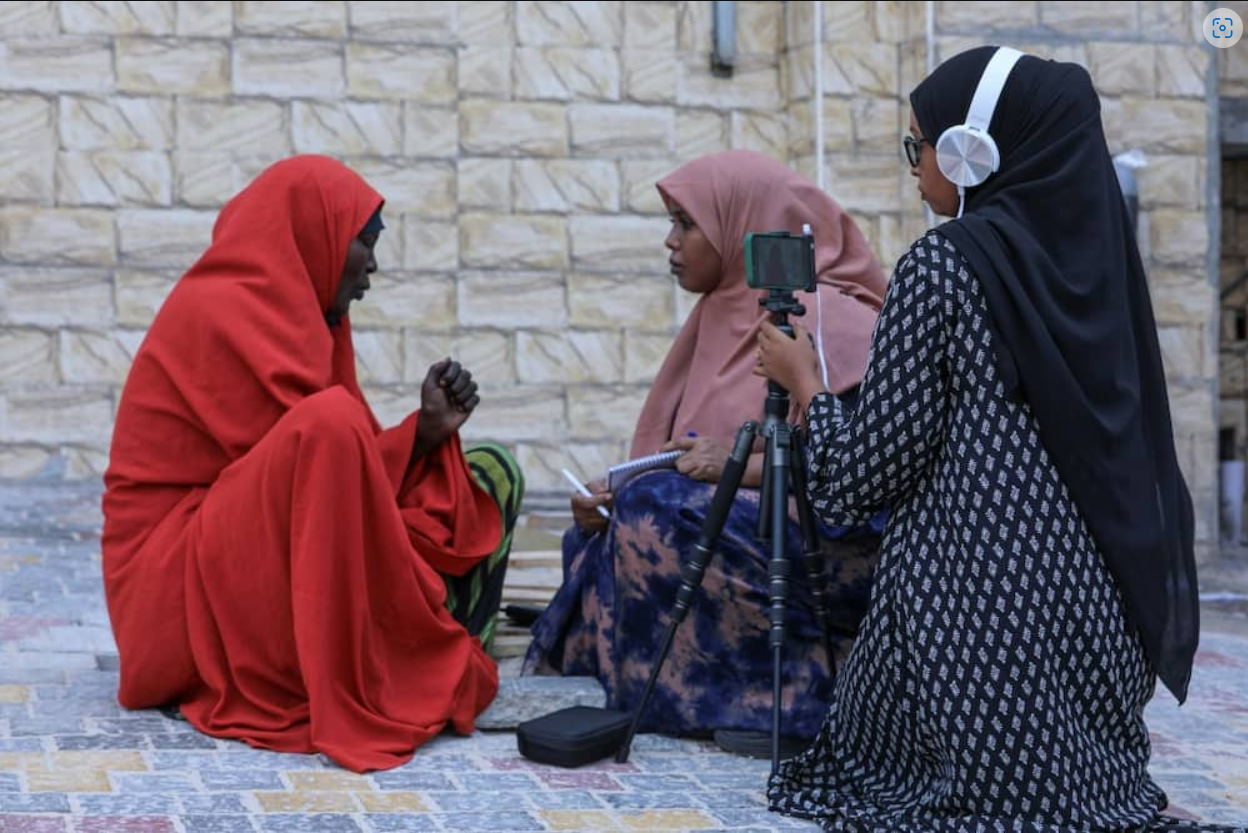
Speaking up about gender violence carries huge risks in Somalia, where rape remains a rampant problem.
The country has yet to pass its first sexual offences bill, which has been in the works since 2014.
Perpetrators have rarely been prosecuted or punished, while victims often face a backlash when they step forward.
Mohamud, who was elected in May after previously serving as president from 2012 to 2017, said past approaches to Al-Shabaab had not worked, and his government was open to alternatives including talks when appropriate.
Burkina Faso’s former leader Blaise Compaore, who was forced into exile in 2014, is expected to return to Ouagadougou shortly for a summit of ex-presidents, a government spokesman said on Wednesday.
“By the end of the week, an important meeting between the former heads of state of Burkina Faso will be held towards accelerating the issue of reconciliation,” spokesman Lionel Bilgo said.
Compaore, 71, is “very likely and even expected” to attend, he added.
A source close to the government and Compaore’s entourage told AFP late Tuesday that he was to return to Burkina Faso to meet its military rulers this week.
The source said he was “due to arrive on Thursday or Friday for a short stay” and would “be received by the head of state in the framework of national reconciliation”.
A source in Compaore’s entourage confirmed the trip.
On Wednesday, Ivory Coast government spokesman Amadou Coulibaly said Burkinabe authorities had reached out.
“Burkina Faso has engaged in a reconciliation process… All arrangements are being made so that president Compaore actively participates,” he said.
There was no official announcement of when Compaore, who also holds Ivorian citizenship, would land.
Controversial figure
Compaore seized power in a coup in October 1987, on the same day that Burkina’s revolutionary leader Thomas Sankara — his former comrade-in-arms — was gunned down by a hit squad.
He went on to rule for 27 years before being forced out by popular protests, supported by the army, over his bid to stay in power.
On April 6 this year, he was sentenced in absentia to life in prison by a military court for his role in Sankara’s assassination.
His return appears to be aimed at shoring up unity at a time when the ruling junta is struggling with a deep crisis.
The impoverished, landlocked Sahel state is being battered by a nearly seven-year-old jihadist campaign that has claimed several thousand lives and forced almost two million people from their homes.
Forty percent of the country is out of the government’s control, a representative of the regional bloc ECOWAS said last month.
In January, soldiers disgruntled at failures to stem the insurgency staged a coup, forcing out the elected president, Roch Marc Christian Kabore.
The new strongman, Lieutenant-Colonel Paul-Henri Sandaogo Damiba, was sworn in as president in March.
Damiba declared security to be his top priority but after a relative lull, attacks resumed, with the loss of hundreds of lives.
In June, 86 people were massacred in the northern border village of Seytenga while at least 34 people were killed in two attacks last weekend.
Presidential talks
The planned meeting of former leaders will “share energies and synergies… to effectively fight the tragedy striking us but also to reduce internal rifts,” said Bilgo.
Other former presidents invited to the talks are Jean-Baptiste Ouedraogo who was in power from 1982 to 1983, Isaac Zida who briefly took power in 2014 and is currently in exile in Canada, Michel Kafando who was in power from 2014 to 2015, and Kabore himself.
On Wednesday, Sankara’s lawyers called on judicial authorities to ensure Compaore was arrested as soon as he set foot in Burkina Faso.
In a statement, the president’s office said the talks were an “important meeting for the life of the nation” but “do not impede judicial action that has been undertaken against certain individuals.”
A source close to the president’s office said Compaore would be accommodated in a villa in Ouagadougou that had been used for Kabore when he was placed under a house arrest after the January coup.
Compaore supporters on social media have called for a show of support at Ouagadougou airport on Friday morning.
Kesi ya wahamiaji 36 wanaoshtakiwa kwa ‘kuingia Morocco kinyume cha sheria,’ ilianza Jumatatu siku chache baada ya jaribio kubwa la kuvuka hadi katika eneo la Uhispania.