Former Tanzanian Prime Minister and retired Chief Justice Joseph Warioba has questioned the decision to keep the Judge Chande Commission report away from the public, saying Tanzanians have a right to know what the commission found and recommended following the violence linked to the 2025 General Election.
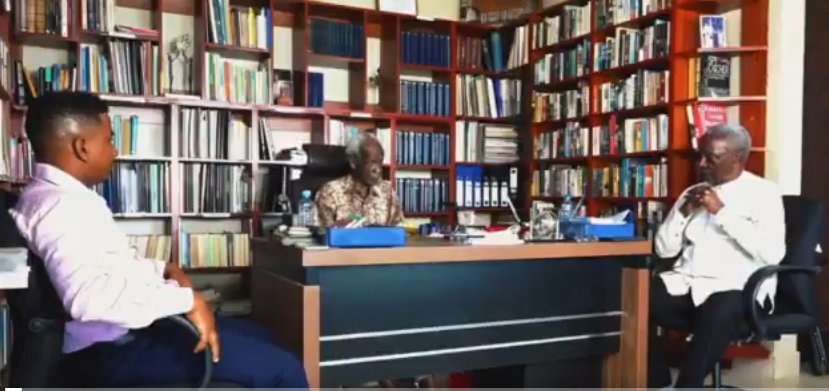
Speaking during an interview with The Chanzo and veteran journalist Jenerali Ulimwengu, Warioba said he was surprised by statements suggesting the report would remain with President Samia Suluhu Hassan instead of being made public.
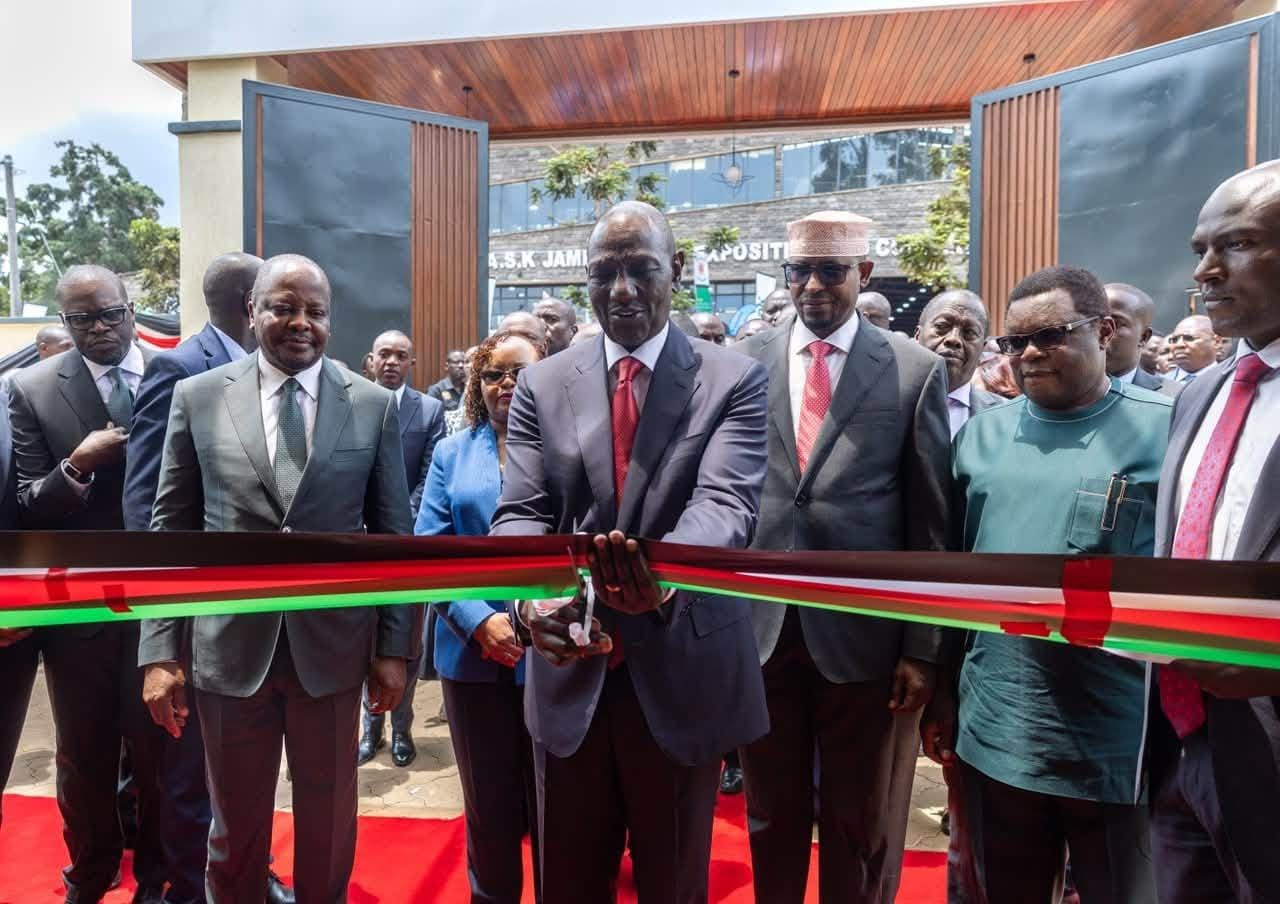
The commission led by retired Chief Justice Mohamed Chande Othman handed over its report to President Samia on April 23, 2026, after months of investigations into violence, killings, abductions and unrest reported during and after the October 29, 2025 General Election. While receiving the report, President Samia said the document belonged to the President who formed the commission.
However, Warioba said although the President has legal powers to appoint commissions and receive their reports, matters touching on national interest have traditionally been shared with the public in Tanzania. He pointed to previous commissions formed under former presidents Julius Nyerere and Ali Hassan Mwinyi, saying their findings were released publicly after being handed to the Head of State.
“I expected Tanzanians would be given a chance to see how the commission worked, what it found and the recommendations it made,” Warioba said.

Warioba also spoke critically about the 2025 General Election, saying the exercise damaged Tanzania’s image both locally and internationally. “Our national image has gone down because many people know the election was not fair,” Warioba said during the interview with Ulimwengu. He questioned the credibility of the voter turnout and election results announced after the polls, arguing that many Tanzanians had lost trust in the process.
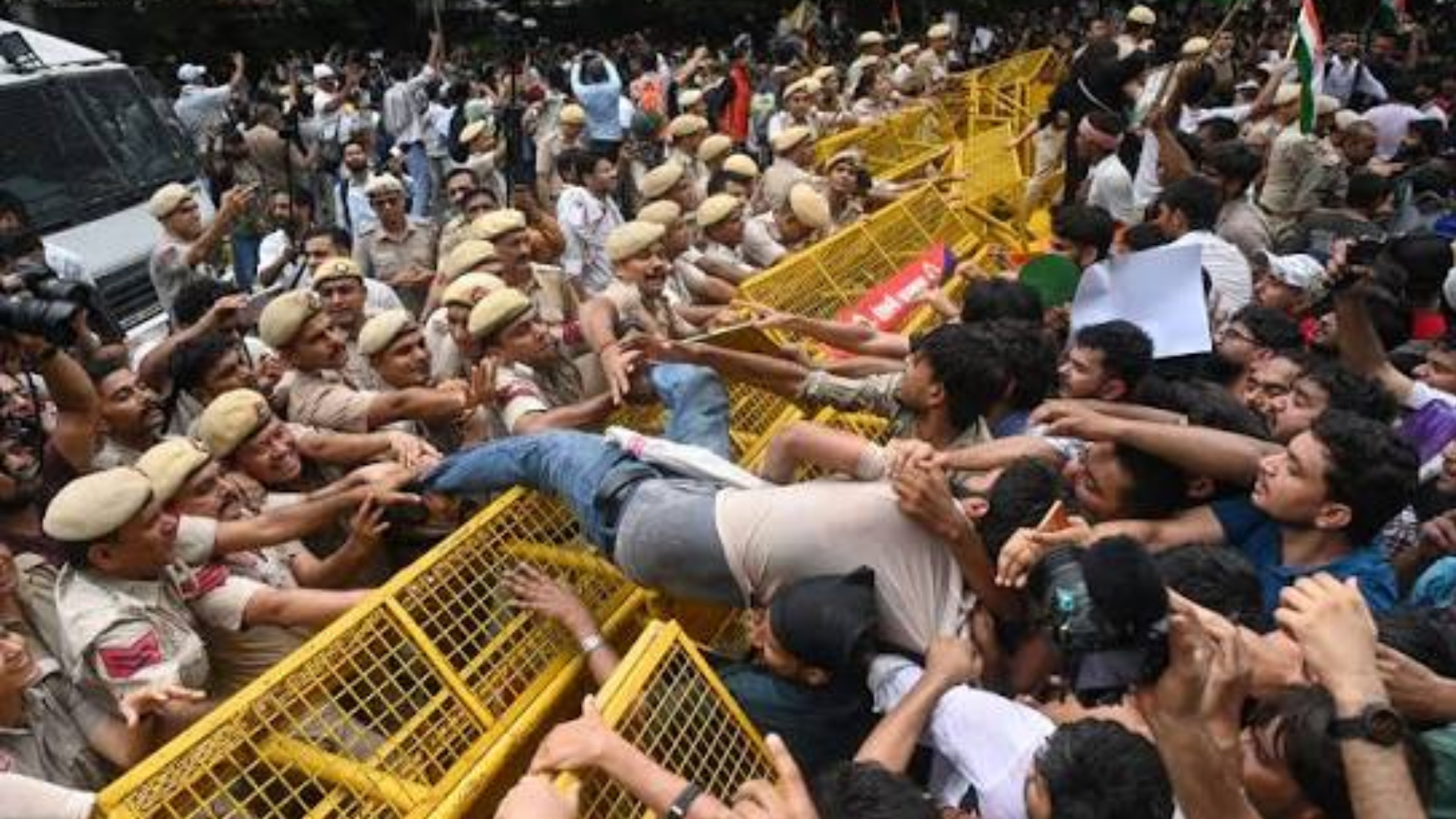
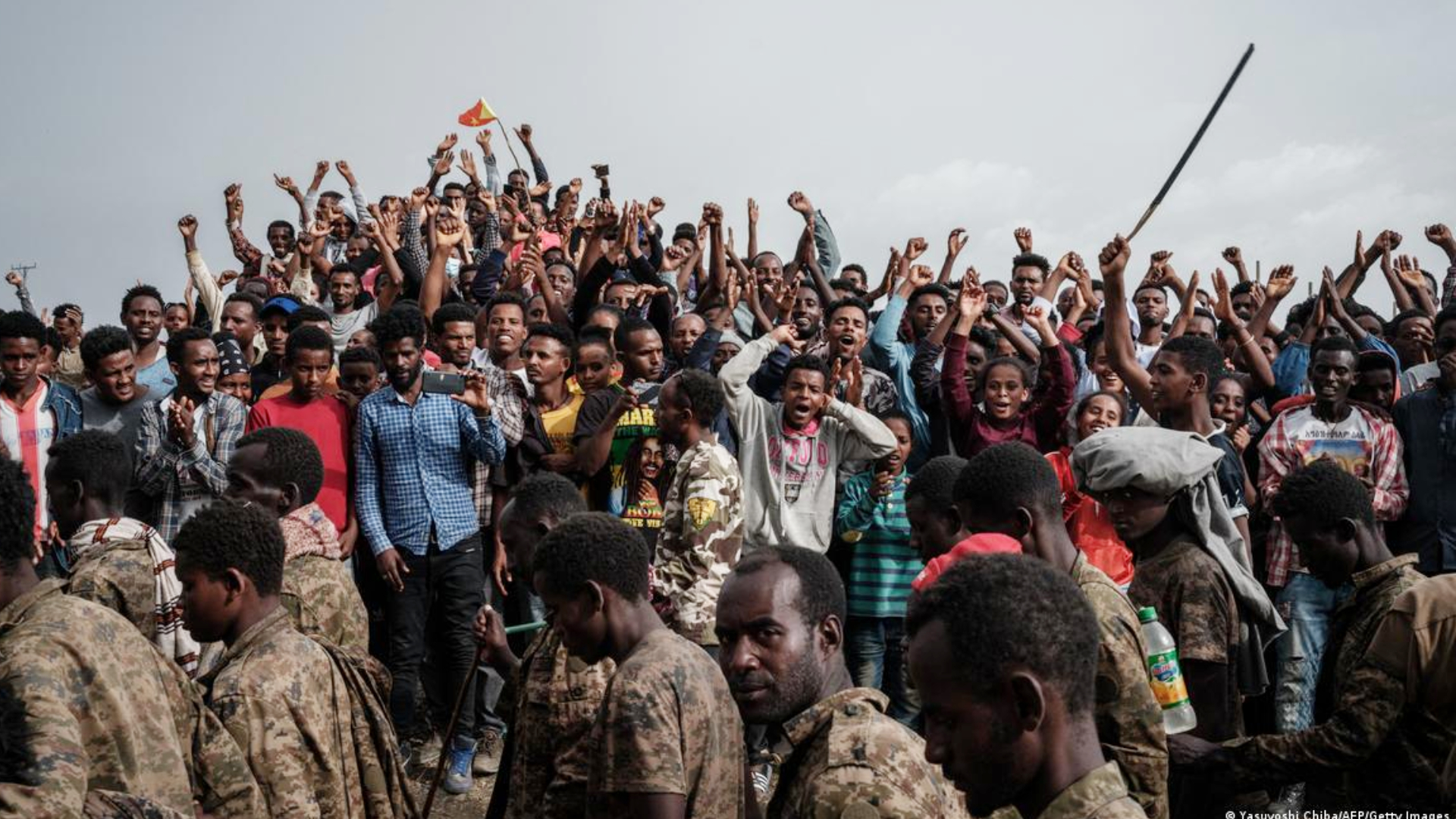
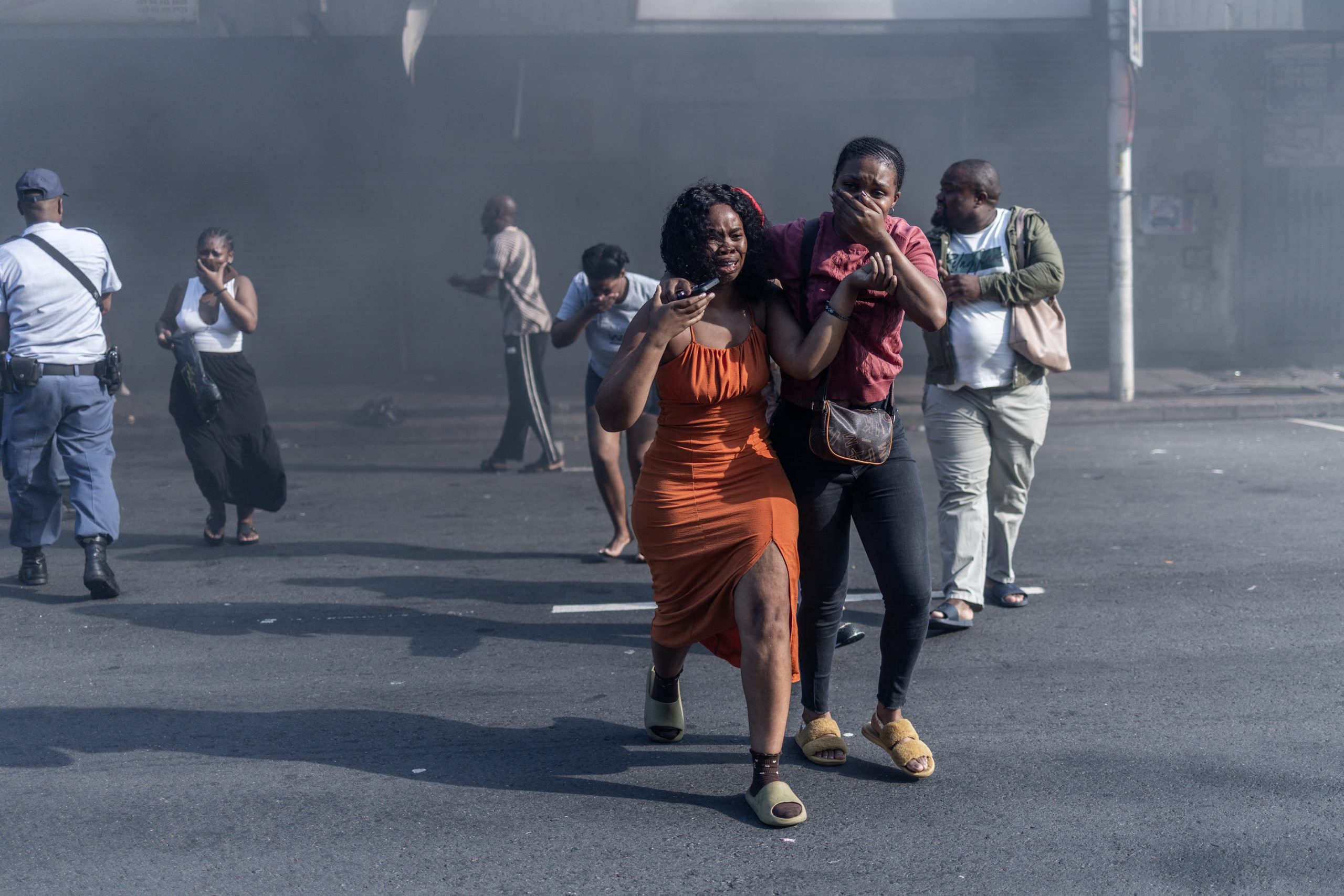
Warioba’s remarks come as the debate continues over the findings of the Judge Chande Commission report. The report linked the violence witnessed during and after the election to a number of long-standing political, economic and social challenges, including demands for a new Constitution, concerns over the electoral system, unemployment, high taxes, allegations of abductions and complaints about human rights violations.
The commission said at least 518 people died during the unrest, though opposition party CHADEMA has rejected the findings and accused the government of trying to downplay the scale of the violence. Warioba also revealed that he had faced pressure and intimidation from state authorities over some of his public comments and appearances. “There have been attempts and threats from leaders to stop me from speaking,” he said. According to Warioba, there were moments he was told to switch off his phone and avoid using it until further instructions. “I asked them, under which law?” he said.
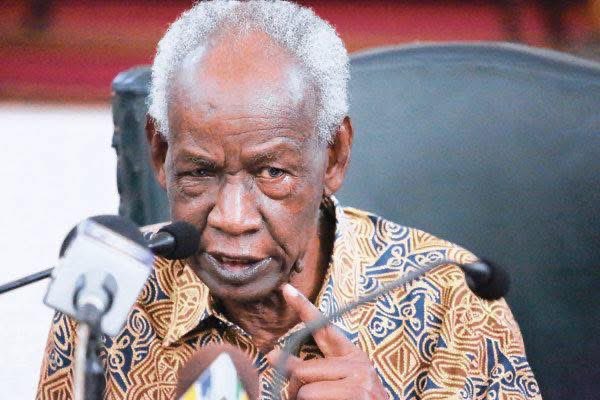
He also claimed he had been warned against attending certain meetings and that some people close to him were approached in attempts to convince him not to appear at public events. Warioba further alleged that one media outlet was prevented from publishing a full interview he had given.
The former Prime Minister said some of his friends feared he could face abduction or poisoning because of his outspoken views, but maintained that he would continue speaking on issues affecting the country.
“I tell them I belong to God, and He is the one who will decide when He needs me,” Warioba said.