From teachers and nurses to lawyers, journalists and university lecturers, a new volunteer network wants to take civic education beyond political rallies and into workplaces, neighbourhoods and everyday conversations.
With Kenya’s political temperature gradually rising ahead of the 2027 General Election, more than 200 professionals have come together with a different approach to national mobilisation — calling on citizens to become more informed, responsible and actively involved in shaping the country’s future.
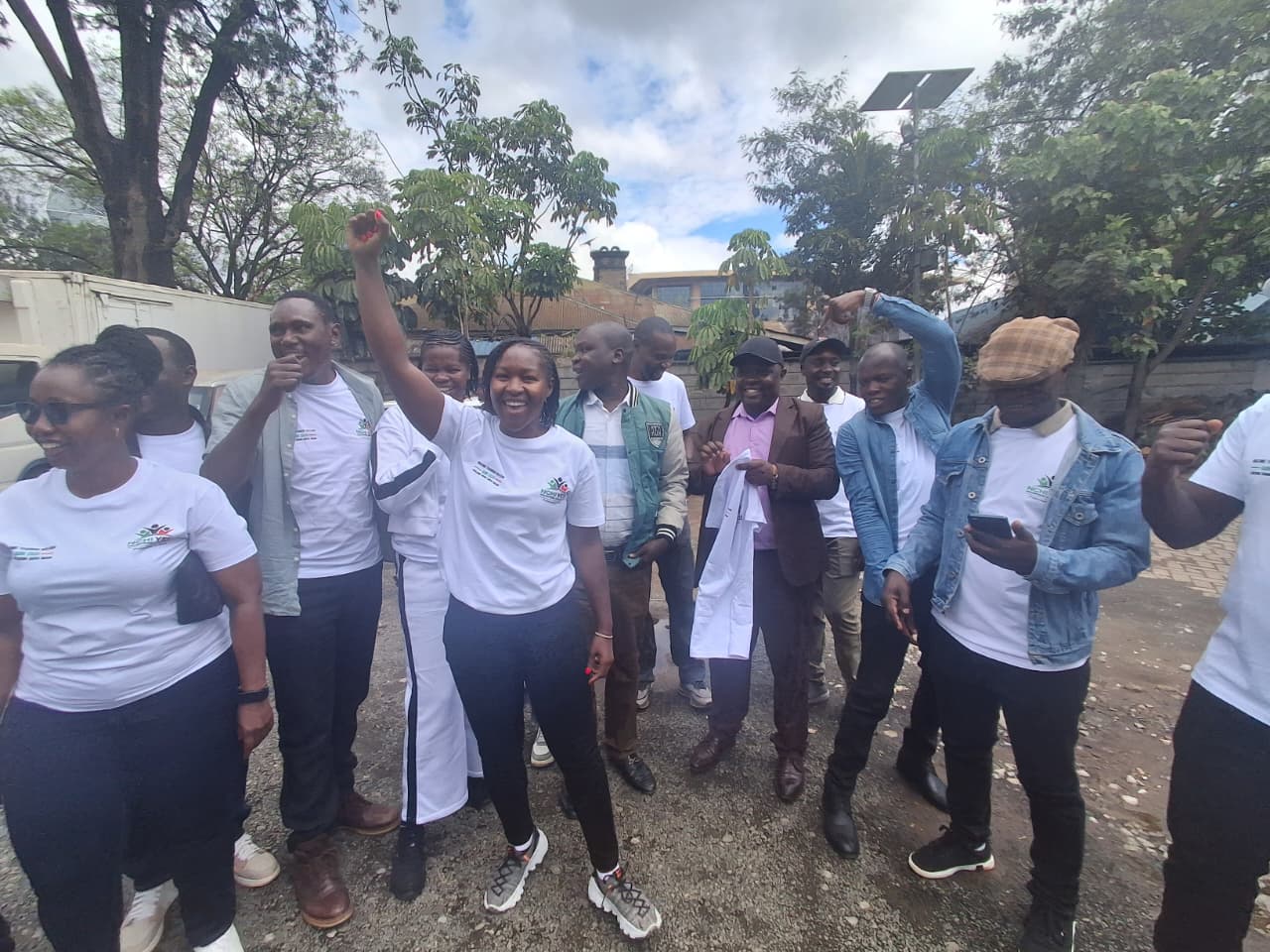
The professionals, drawn from education, healthcare, law, journalism and academia, gathered in Nairobi on October 31, 2026, for the official launch of Nchi Yetu Volunteers, a community-based civic engagement initiative founded by Peter Nyaranga, who also serves as the group’s coordinator and spokesperson.
At a time when political personalities, party alliances and succession debates are increasingly dominating public conversations, the initiative seeks to redirect attention to the role of ordinary citizens in strengthening Kenya’s democracy.
Its philosophy is anchored on four principles: patriotism, volunteerism, integrity and collective responsibility.
For Nyaranga, professionals should not remain spectators in matters affecting the country. Their knowledge, experience and influence within society, he believes, place them in a unique position to provide guidance and encourage positive civic participation.
“Professionals should be at the forefront of offering direction and guidance to society. We have a responsibility to transform patriotism from something we simply talk about into practical action that contributes to the well-being and future of our country,” he said.
That conviction is at the heart of the movement.
“Patriotism must go beyond words and political conversations. As professionals, we have a responsibility to help citizens understand their role in building the country. We want to turn patriotism into practical action,” Nyaranga added.
Taking civic education beyond political rallies
One of the most distinctive aspects of Nchi Yetu Volunteers is its grassroots approach to civic engagement.
Rather than relying solely on public forums and large gatherings, the group intends to take conversations about citizenship directly to people in their everyday environments.
Volunteers will engage colleagues in workplaces, community groups, residential neighbourhoods and other social spaces. Telephone calls and messaging platforms will also form part of the mobilisation strategy.
Each volunteer is expected to reach at least five people daily, creating a chain of personal engagement that the organisation hopes will grow into a wider national network.
“We believe meaningful change can begin with simple conversations. If every volunteer reaches at least five people daily, we can gradually build a network of informed and responsible citizens,” Nyaranga explained.
The initiative has identified three priority areas: encouraging voter registration and responsible participation in elections, promoting national values, and strengthening public understanding of constitutionalism.
The timing is significant. As political mobilisation gathers momentum ahead of 2027, questions about voter participation, public accountability, constitutional rights and citizens’ responsibilities are likely to become increasingly important.
Beyond the ballot
While voter registration and participation are central to the initiative, its ambitions extend beyond election day.
The group wants citizens to understand that their responsibility to the country does not begin when politicians announce their candidacies, or end when election results are declared.
“Civic responsibility should not be seasonal. It should not only become important when politicians are looking for votes. Citizens need to understand their rights, responsibilities and the Constitution at all times,” Nyaranga said.
Understanding the Constitution, respecting the rule of law, demanding accountability, participating in public affairs and embracing national values are among the principles the volunteers intend to promote.
The initiative’s longer-term vision is to build a national volunteer network connecting professionals, institutions, community groups and development partners.
Such a network, if successfully established, could provide a platform for professionals to contribute their expertise to conversations and activities addressing issues of national and community interest.
It also presents an opportunity to rethink how civic education is delivered, particularly among communities that may not regularly participate in formal public forums.
As Kenya prepares for another election cycle, Nchi Yetu Volunteers is betting on the power of individual citizens and everyday conversations to influence the country’s democratic culture.
Ultimately, patriotism is not simply about singing the national anthem, waving the Kenyan flag or expressing loyalty to political leaders. It is also about understanding one’s rights and responsibilities, registering as a voter and actually turning up to vote.
Because building Nchi Yetu is not just the responsibility of those seeking political office. It is a collective responsibility of every Kenyan.