For decades, development and conservation have operated within a familiar framework: design externally, implement locally, and measure success through outputs rather than systems.
It is a model that has delivered results—but also limitations.
Across many regions, projects have struggled to sustain impact once funding cycles end. Interventions have been fragmented. Communities have often been positioned as beneficiaries rather than decision-makers.
In northern Kenya, a different approach is taking shape.
Through its network of community conservancies, the Northern Rangelands Trust (NRT) is advancing a model that challenges conventional thinking—one that places governance, ownership, and system-building at the centre of development.
At its core, the model is simple.
Communities own the land. They govern its use. They make decisions collectively through structured forums. External support strengthens these systems—but does not replace them.
This distinction is critical.
Because it shifts the focus from delivery to capability.
Across NRT-supported landscapes, conservancies function as governance platforms. Boards, councils of elders, youth representatives, and women’s groups participate in decision-making processes that guide everything from grazing management to infrastructure development.
These are not symbolic structures.
They are operational systems that influence real outcomes.
And those outcomes are increasingly visible.
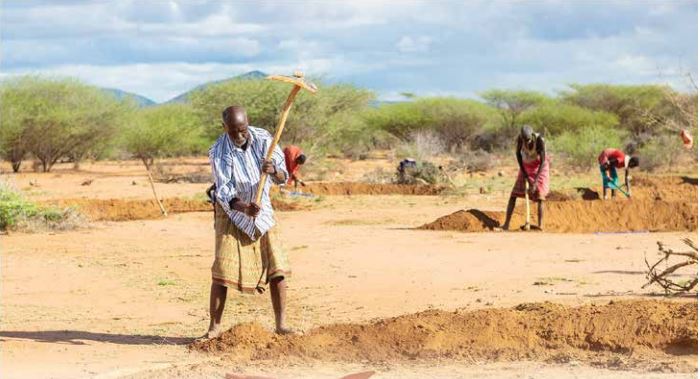
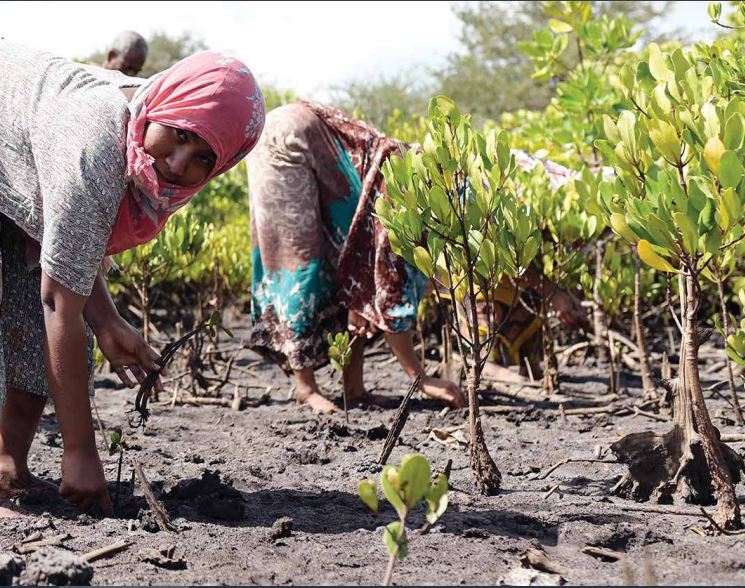
Wildlife populations have stabilised in key areas. Rangelands are recovering under coordinated grazing systems. Water infrastructure is expanding. Economic activities are diversifying.
Perhaps most importantly, communities are more engaged in how decisions are made.
This level of participation has implications beyond individual projects.
It strengthens accountability. It improves transparency. It builds trust—both within communities and with external partners.
For policymakers and development practitioners, this offers an important lesson.
Sustainability is not just about funding. It is about systems.
Projects that are externally driven may deliver short-term impact, but they often struggle to endure. Systems that are locally owned, by contrast, are more resilient. They adapt. They continue to function even when external conditions change.
This resilience was evident in 2025.
As global funding dynamics shifted—particularly with the withdrawal of key support streams such as USAID—many programmes across the region experienced disruption. Yet across NRT’s network, core systems remained active.
Community meetings continued. Grazing plans were maintained. Governance structures remained in place.
This continuity reflects how those systems were built.
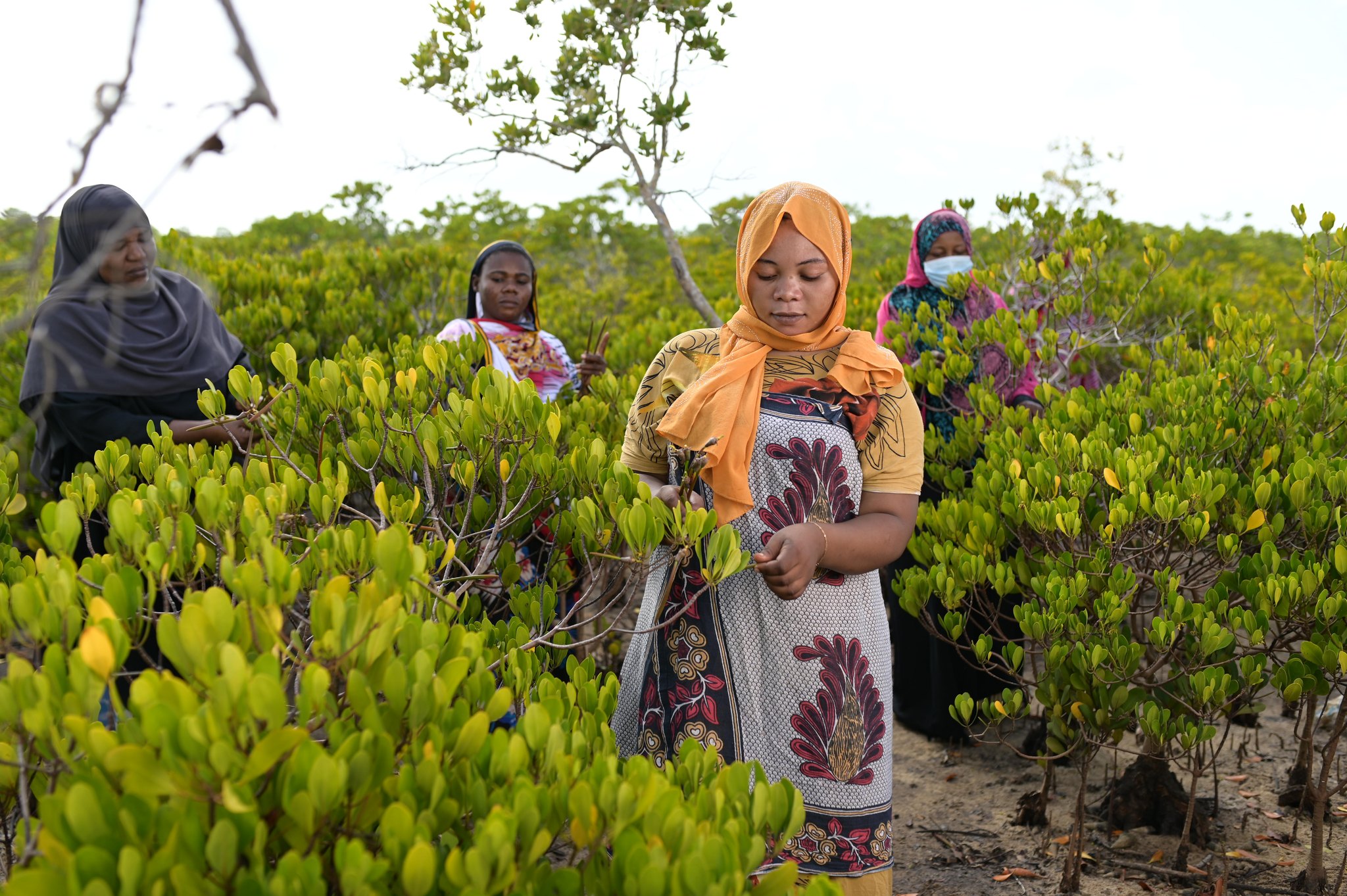
Over time, through consistent engagement and institutional strengthening, communities developed the capacity to manage their own processes. External support enhanced this capacity—but did not create it from scratch.
This is what distinguishes the NRT model.
It is not project-based. It is platform-based.
And that platform integrates multiple sectors—conservation, livelihoods, peacebuilding, and climate action—within a single framework.
This integration is particularly relevant in today’s context.
Global development challenges are increasingly interconnected. Climate change influences livelihoods. Resource pressure drives conflict. Governance shapes how both are managed.
Fragmented approaches are no longer sufficient.
What is needed are systems that can address multiple challenges simultaneously—while remaining adaptable to changing conditions.
Northern Kenya offers a practical example of what that looks like.
The question is whether this model can inform broader practice.
For governments, donors, and institutions, the implications are clear:
• Invest in governance, not just infrastructure
• Support systems, not just outputs
• Enable communities to lead, rather than simply participate
These are not new ideas. But they are rarely implemented at scale.
NRT is demonstrating that they can be.
And as development frameworks continue to evolve, the lessons emerging from northern Kenya may prove increasingly relevant—not just regionally, but globally.