Moses Wakhisi has spent most of his professional life telling other people stories.
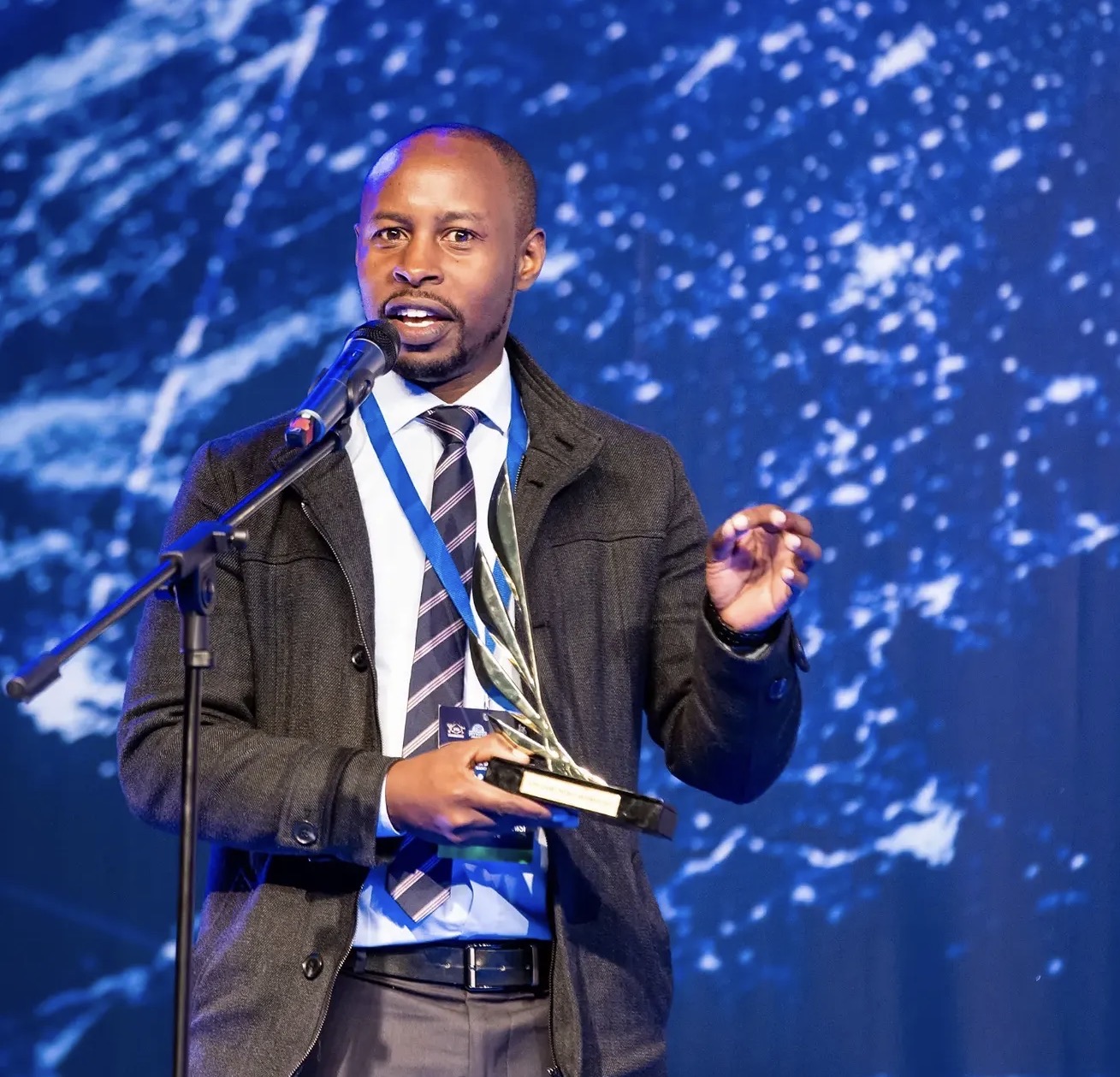
For more than a decade, he sat in newsrooms, television studios, sports arenas, community meetings, and conference halls, asking questions, listening carefully, and helping audiences understand the people and events shaping their world. He interviewed athletes chasing greatness, leaders navigating difficult decisions, and ordinary citizens whose experiences often revealed extraordinary lessons.
Today, however, the story is partly his own.
As Director of Communications at Northern Rangelands Trust (NRT) and Secretary General of the Sports Journalists Association of Kenya (SJAK), Wakhisi occupies a unique space in Kenya’s communication landscape. His career cuts across journalism, leadership, conservation, governance, strategic communication, and research. It is a journey that reflects not only personal growth but also the evolution of communication itself; from a profession focused largely on
information sharing to one increasingly shaping leadership, public trust, and institutional influence.
Yet ask him what has driven him throughout that journey, and the answer comes quickly.
”People,” he says. ”The stories people carry, the challenges they face, and the opportunities that emerge when people genuinely understand one another.”
Those who know him often describe him as someone who listens carefully and speaks deliberately. It is not because he has little to say. Quite the opposite.
Over the years, Wakhisi has become known for his ability to command a room without demanding attention. Whether moderating a discussion, addressing an audience, representing journalists at national forums, engaging community leaders, or speaking on behalf of an institution, he brings a rare mix of clarity, confidence, and authenticity.
When he speaks, people tend to listen—not because he is the loudest voice in the room, but because his words are measured, informed, and purposeful. Colleagues often describe him as an articulate communicator with a natural ability to simplify complex issues, connect with diverse audiences, and inspire confidence among those he engages.
It is a skill refined through years in journalism, leadership, and public engagement. From television studios and conference halls to community gatherings and executive boardrooms, he has built a reputation as a gifted communicator capable of translating ideas into messages that resonate.
That ability did not begin in a newsroom.
Long before executive meetings and communication strategies, there was student leadership. While pursuing his Bachelor of Arts in Mass Communication (Electronic Media), Wakhisi was elected Student President at Daystar University, representing thousands of students and finding himself at the center of issues that demanded negotiation, advocacy, diplomacy, and leadership.
But he is quick to point out that leadership was never a solo effort.
He often reflects on the strength of the student leadership team that served alongside him; individuals who would later go on to establish distinguished careers of their own. Among them was Frankline Miswa, who served as Secretary General, Regina Musyoki as Social Welfare Secretary, Doreen Gakii, and a highly capable Vice President whose support helped anchor the student leadership administration through some of its most demanding moments.
”It was an exceptional team,” Wakhisi recalls.” People sometimes focus on the person at the front, but leadership is always a collective effort. We challenged each other, supported each other, and shared a common commitment to serving the students who had entrusted us with that responsibility.”
Together, they navigated the expectations and concerns of thousands of students while engaging university leadership on issues affecting campus life. The experience provided an early lesson that would remain with him throughout his career: lasting leadership is rarely about individual achievement; it is about building teams, empowering others, and creating an environment where people can succeed together.
Looking back, Wakhisi credits much of his growth during that period not only to the responsibilities of the office but also to the colleagues who stood alongside him and helped shape his understanding of service, accountability, and collaborative leadership.
Armed with a Bachelor of Arts in Mass Communication (Electronic Media) and later an MSc in Business Management (Strategic Management), Wakhisi entered the world of journalism with a deep curiosity about people and an appreciation for the power of storytelling.
For the next decade, he immersed himself in the media industry.
Working across television, radio, print, and digital platforms, he built a respected career as a multiple award-winning broadcaster, producer, editor, documentary storyteller, and content strategist. Viewers came to know him through sports broadcasts and current affairs programming. Behind the scenes, he was developing something equally important: an understanding of how information shapes decisions, perceptions, and public discourse.
The newsroom became a classroom of its own. It taught him discipline. It taught him resilience. It taught him how to think quickly under pressure. Most importantly, it taught him that credibility remains the foundation of effective
communication.
”One of the greatest gifts journalism gives you is perspective,” he says.” You meet people from every walk of life. You quickly realize that every issue is more complex than it first appears and that understanding begins when people are willing to listen.”
Looking back, Wakhisi is quick to credit Standard Media Group for providing the platform that shaped much of his professional journey.
”It was more than a workplace,” he says.” It was a learning ground. I was surrounded by incredible talent, experienced editors, producers, presenters, reporters, and mentors who challenged me, supported me, and helped me grow. I learned lessons there that continue to guide me today.”
He speaks fondly of his years across the group’s various platforms, including Spice FM, Vybez Radio, Radio Maisha, television, and digital operations. Those years coincided with a period of significant transformation within Kenya’s media landscape, as newsrooms adapted to changing technologies, shifting audience habits, and the rapid rise of digital media.
”The newsroom is changing dramatically today, just as it was changing then,” he reflects. ”But we were fortunate to experience a period of immense growth, innovation, and learning. It was an exciting time to be a journalist at the Standard Media Group.”
Among the people who left a lasting impression on him was Dr. Joe Ageyo, currently the Editor-in-Chief at Nation Media Group, whom Wakhisi credits for recognizing his potential early in his career.
”I will always appreciate Dr. Joe Ageyo for spotting something in me when I was still very young in the newsroom and giving me an opportunity to go on air. For a young journalist, those opportunities can change everything. Sometimes all you need is someone who believes in you before the rest of the world does.”
That appreciation for mentorship remains central to how Wakhisi views leadership today. Just as others invested in his growth, he believes experienced professionals have a responsibility to identify, support, and create opportunities for the next generation.
”The people who helped me along the way; and they are a good number, never owed me anything,” he says. ”They simply chose to invest in someone coming up. I think every leader should do the same whenever they can.”
His work earned recognition from both national and international institutions, including awards from the Media Council of Kenya and the International Sports Press Association (AIPS).
Through documentaries, feature stories, interviews, and live broadcasts, he established himself as a journalist capable of making complex subjects accessible and engaging.
For many journalists, such recognition might represent the pinnacle of a career. For Wakhisi, it became the foundation for something bigger.
The more he interacted with institutions, governments, businesses, communities, and development organizations, the more interested he became in understanding how organizations communicate, manage change, build public confidence, and navigate increasingly complex environments.
He began to see communication not merely as a profession, but as a strategic leadership tool. That realization would ultimately take him beyond the newsroom.
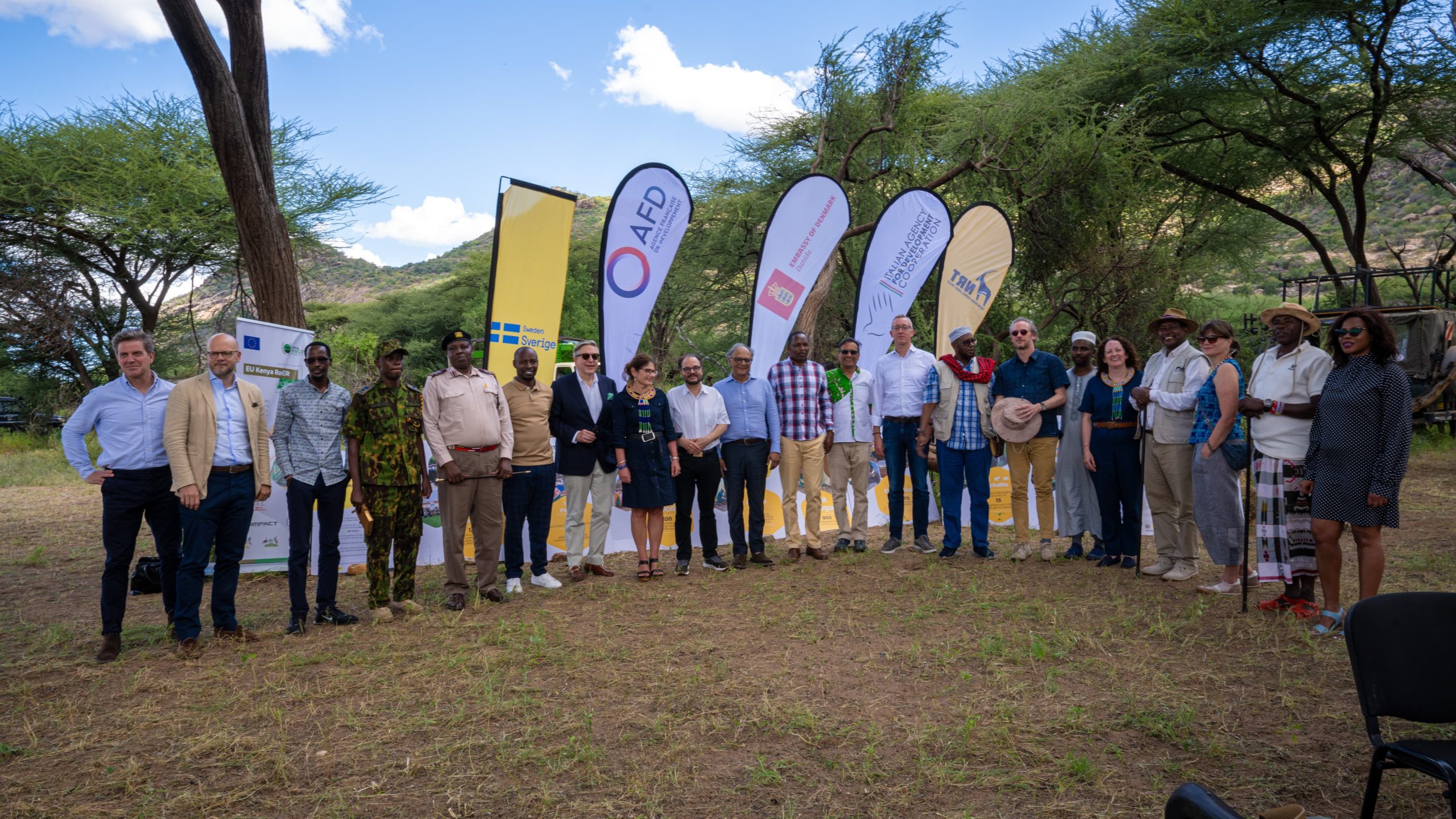
Today, as Director of Communications at Northern Rangelands Trust, Wakhisi works at the intersection of conservation, climate action, governance, community development, donor engagement, partnerships, and institutional strategy.
His role involves far more than media relations. On any given day, he may be advising senior leadership on stakeholder engagement, helping shape responses to emerging issues, supporting donor communications, overseeing documentary production, strengthening organizational visibility, or helping communities tell stories that might
otherwise go unheard.
The work has reinforced a belief he has carried throughout his career.
”Communication is often misunderstood as publicity,” he says. ”In reality, it is about helping people understand what an organization stands for, why decisions are being made, and how stakeholders can meaningfully participate in that journey.”
Increasingly, communication has become a leadership function. Organizations today face growing expectations around transparency, accountability, responsiveness, and engagement. Trust has become harder to earn and easier to lose.
For Wakhisi, that reality places communication at the center of organizational success.
”The organizations that will thrive in the future are those that communicate openly, listen actively, and engage meaningfully with the people they serve.”
His influence extends beyond institutional communication. As Secretary General of the Sports Journalists Association of Kenya, he serves within a leadership team helping shape the future of sports journalism in the country. Working alongside SJAK President James Waindi and a committed executive team, Wakhisi has contributed to strengthening governance, professional development, partnerships, advocacy, and the overall
growth of the association.
He is equally quick to acknowledge that the association’s greatest strength lies not in its elected officials, but in its members.
”SJAK is what it is because of the journalists who continue to dedicate themselves to the profession every day,” he says. ”We are privileged to serve alongside more than 200 talented and diverse journalists spread across the country, each contributing in their own way to the growth, credibility, and future of journalism in Kenya.”
The role has allowed him to contribute to conversations around media professionalism, ethical reporting, journalist welfare, governance, and the future of journalism at a time when the media industry itself continues to evolve.
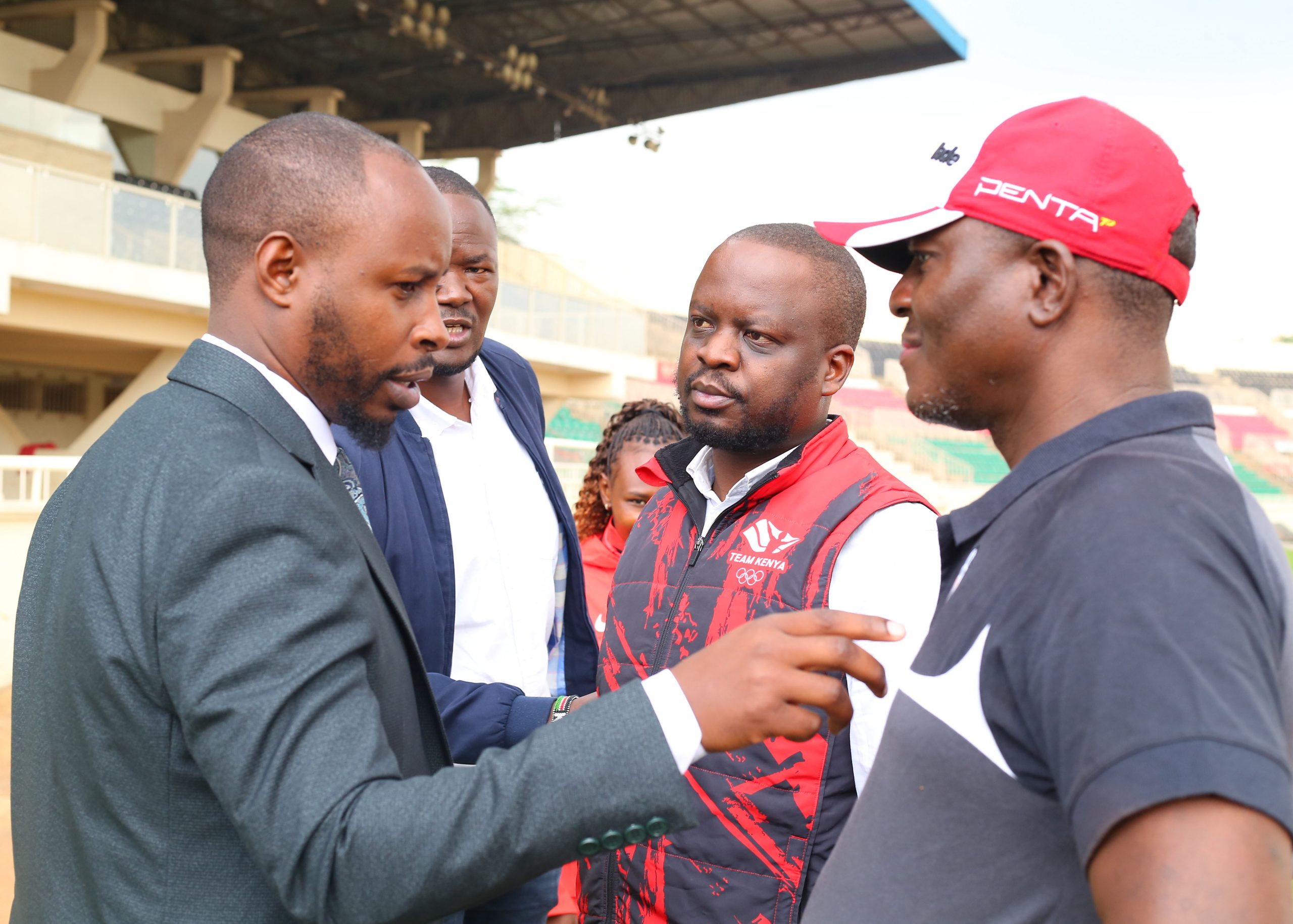
For someone who spent years in the newsroom, the position feels both natural and deeply personal.
”Journalism gave me so much,” he says. ”Serving fellow journalists is one way of giving back to a profession that shaped who I am.”
Friends and colleagues say his ability to move comfortably between journalism, leadership, governance, and strategic communication is what sets him apart. He understands the pressures of the newsroom because he lived them. He understands organizational realities because he now helps lead them.
Yet perhaps what distinguishes him most is his commitment to continuous learning. Even as his professional responsibilities expanded, he continued exploring questions about the future of media and communication through research and thought leadership.
His research, Effect of Media Convergence Strategies on Financial Performance of Selected Mainstream Media Houses in Kenya, examined how content, platform, technological, and audience convergence are reshaping the sustainability and competitiveness of media organizations in the digital era.
He later expanded these ideas through his publication, Repurpose, Reuse, Monetize: The Effect of Content Convergence on the Financial Performance of Mainstream Media Houses in Kenya, contributing to broader conversations around media transformation, digital sustainability, and the future of journalism.
For Wakhisi, the research was not simply an academic exercise. It reflected a belief that communication professionals must continue evolving alongside the industries they serve.
”The future belongs to communicators who can connect storytelling with strategy, technology with human understanding, and data with meaningful engagement,” he says.
As artificial intelligence, digital transformation, and changing audience behavior continue to reshape communication, he remains optimistic about the future.
While technologies will evolve, he believes the fundamentals will remain unchanged. ”Trust, credibility, authenticity, and empathy will always matter. Technology can amplify communication, but it cannot replace genuine human connection.” It is a philosophy that perhaps best captures his own journey.
From leading thousands of students at Daystar University, to becoming an award-winning journalist, to serving alongside President James Waindi and a dedicated SJAK leadership team in representing more than 200 journalists across Kenya, and later leading strategic communications for one of the world’s most respected conservation organizations, his career reflects the growing influence of communication as both a profession and a leadership discipline.
For Moses Wakhisi, communication has never been about being the loudest voice in the room.
It has been about helping people understand one another a little better.
And in a world increasingly defined by noise, polarization, and information overload, that may be one of the most important forms of influence there is.