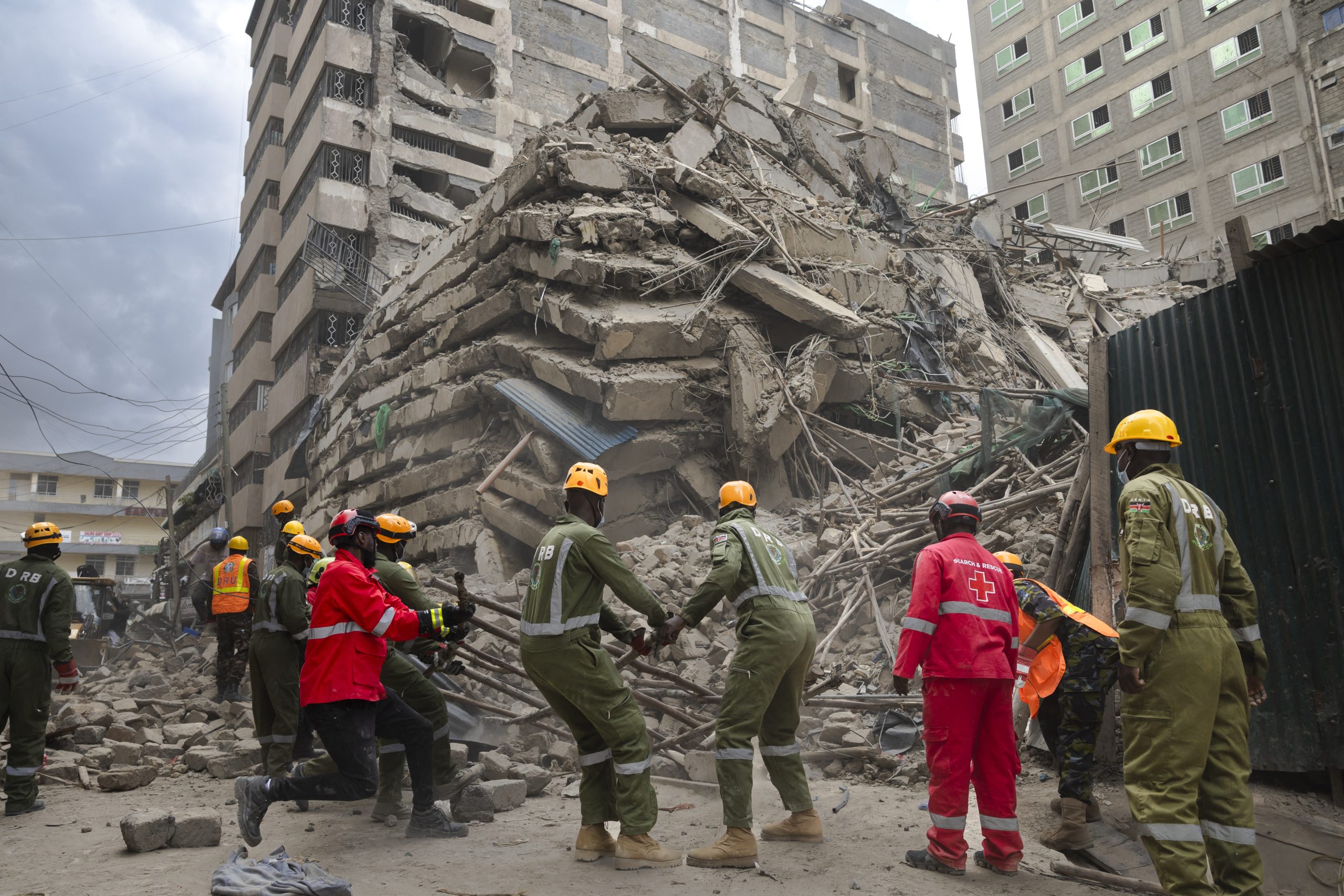
Nairobi, 24 October 2026 – A day after a multi-storey building under construction collapsed along 9th Street in Eastleigh, Nairobi, the Association of Consulting Engineers of Kenya has called for sweeping reforms in the construction sector, warning that lax enforcement and disregard for professional standards continue to put lives at risk.
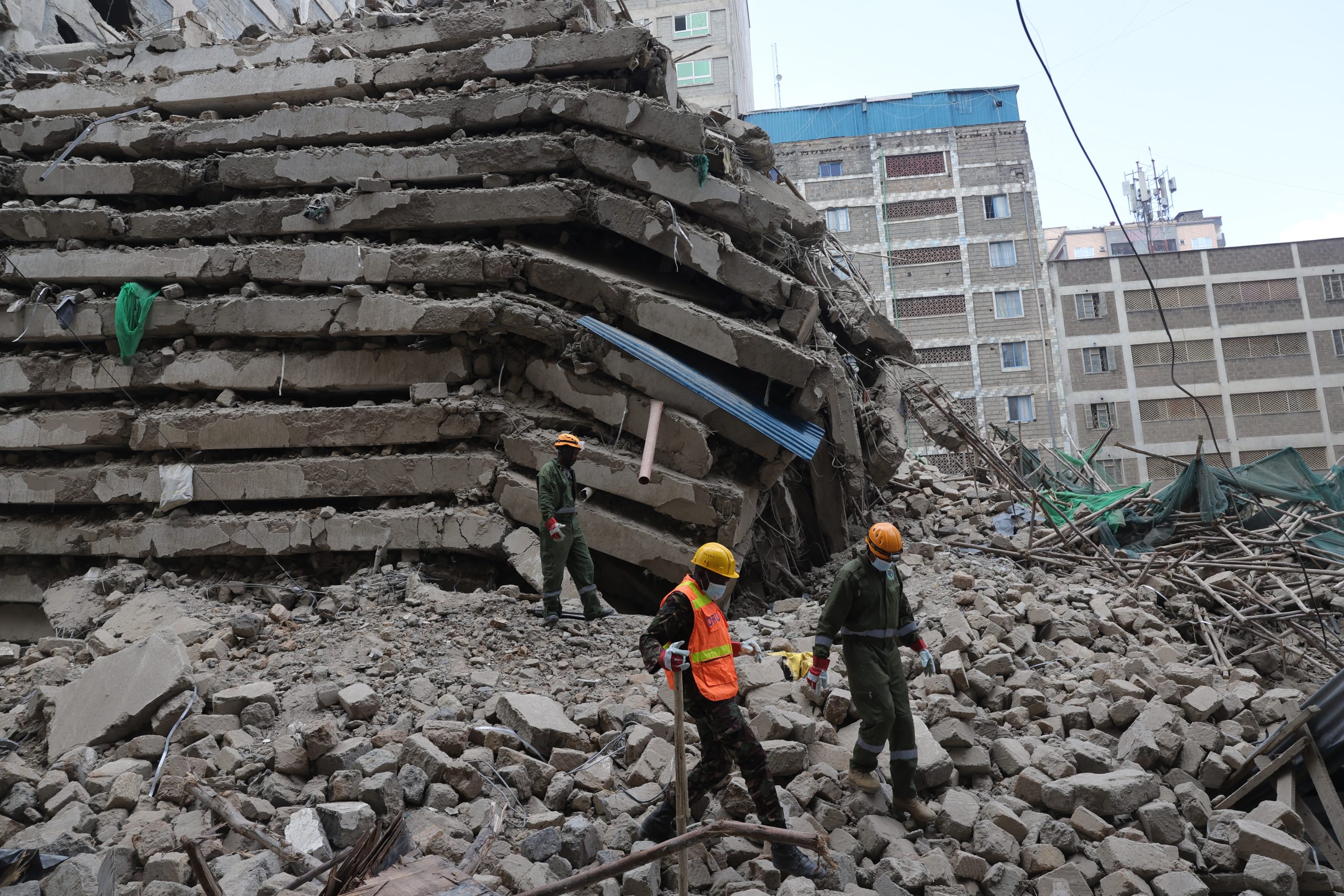
The building, which came down on Friday along Yusuf Haji Avenue in Kamukunji Sub-County, had more than ten floors under construction. According to Interior Cabinet Secretary Kipchumba Murkomen, who visited the site last evening, sixty-seven construction workers were on site at the time, with sixty-six escaping uninjured while one sustained injuries and was taken to hospital in stable condition.
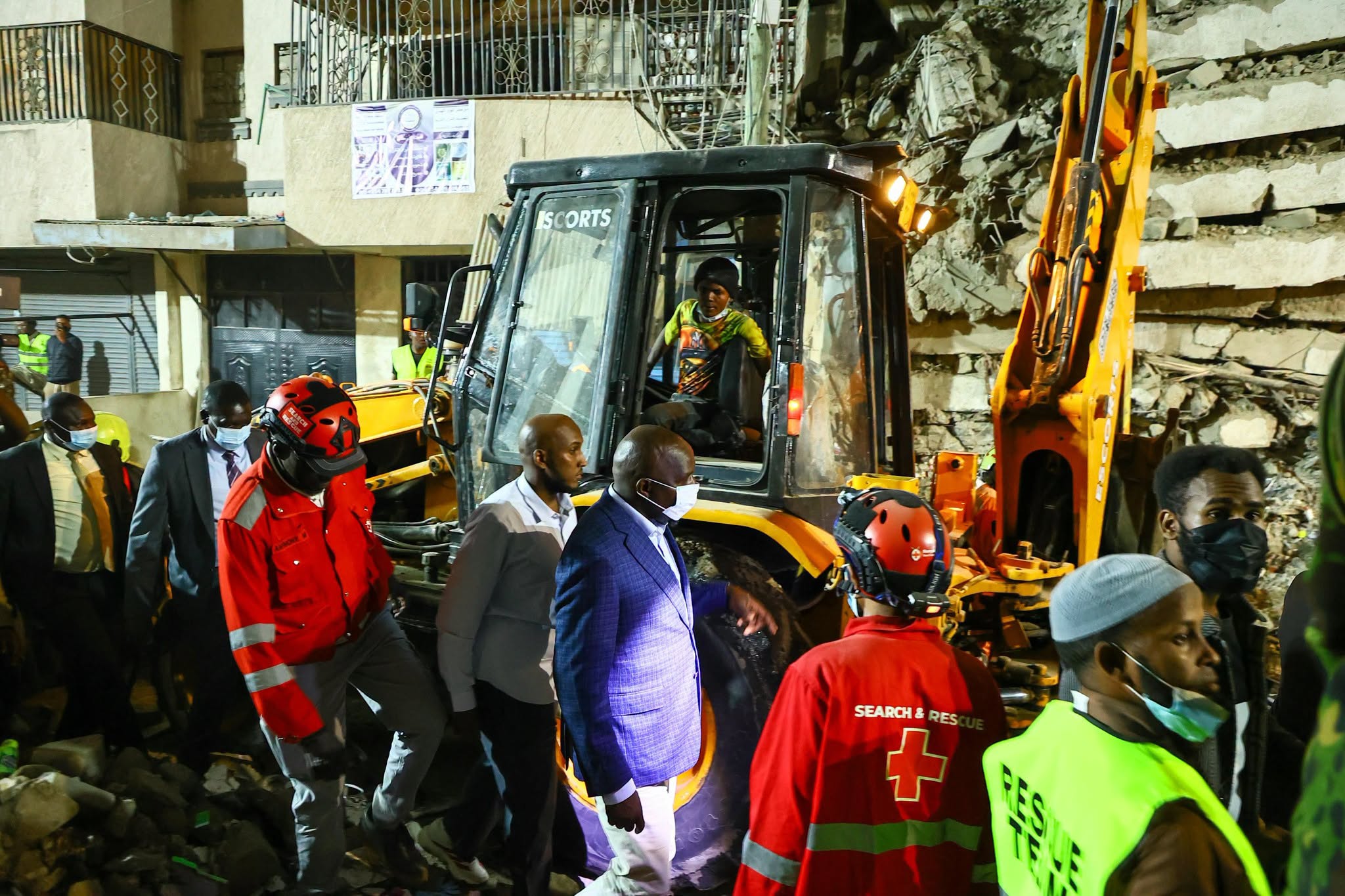
The CS, however, said seven other people believed to have been operating eleven shops on the ground floor and basement remain unaccounted for, and a multi-agency rescue team is maintaining contact with some trapped beneath the rubble. The operation, which continued into Saturday, brings together the Kenya Defence Forces, National Police Service, Nairobi City County Government, National Youth Service and the Kenya Red Cross, while the Ministry of Health has activated disaster protocols and set up a twenty-four-hour desk at the scene.
This incident has irked the Association of Consulting Engineers of Kenya (ACEK). According to ACEK, the tragedy is a stark reminder of systemic failures in construction governance and reiterated that public safety must never be compromised in the pursuit of expediency or cost savings.
“This tragedy underscores the need to strengthen the entire construction governance ecosystem,” Eng. Jabong’o said, adding that every building that stands safely for generations is a testament to the value of professional engineering.

ACEK is urging the government to strictly enforce building codes and regulations and enhance oversight by county authorities and regulatory agencies, while ensuring mandatory engagement of qualified and licensed professionals throughout the project lifecycle and increased site inspections. The body also wants stronger accountability for developers, contractors, consultants and supervisors, adoption of digital construction monitoring and compliance systems, improved public awareness regarding the dangers of unauthorized developments, and stronger collaboration among regulatory bodies, professional institutions and industry stakeholders.

The call comes amid revelations about the Eastleigh building’s approval status. Nairobi Governor Johnson Sakaja noted that the property had received a change-of-use approval in 2024, but the developer’s application for a fifteen-storey structure with a basement had not been approved. County planners had raised concerns in November 2024, and an enforcement order was issued in early 2026. The National Construction Authority has confirmed the building was registered on 30th July 2025, while the Interior CS said it had no occupation certificate despite shops operating inside.
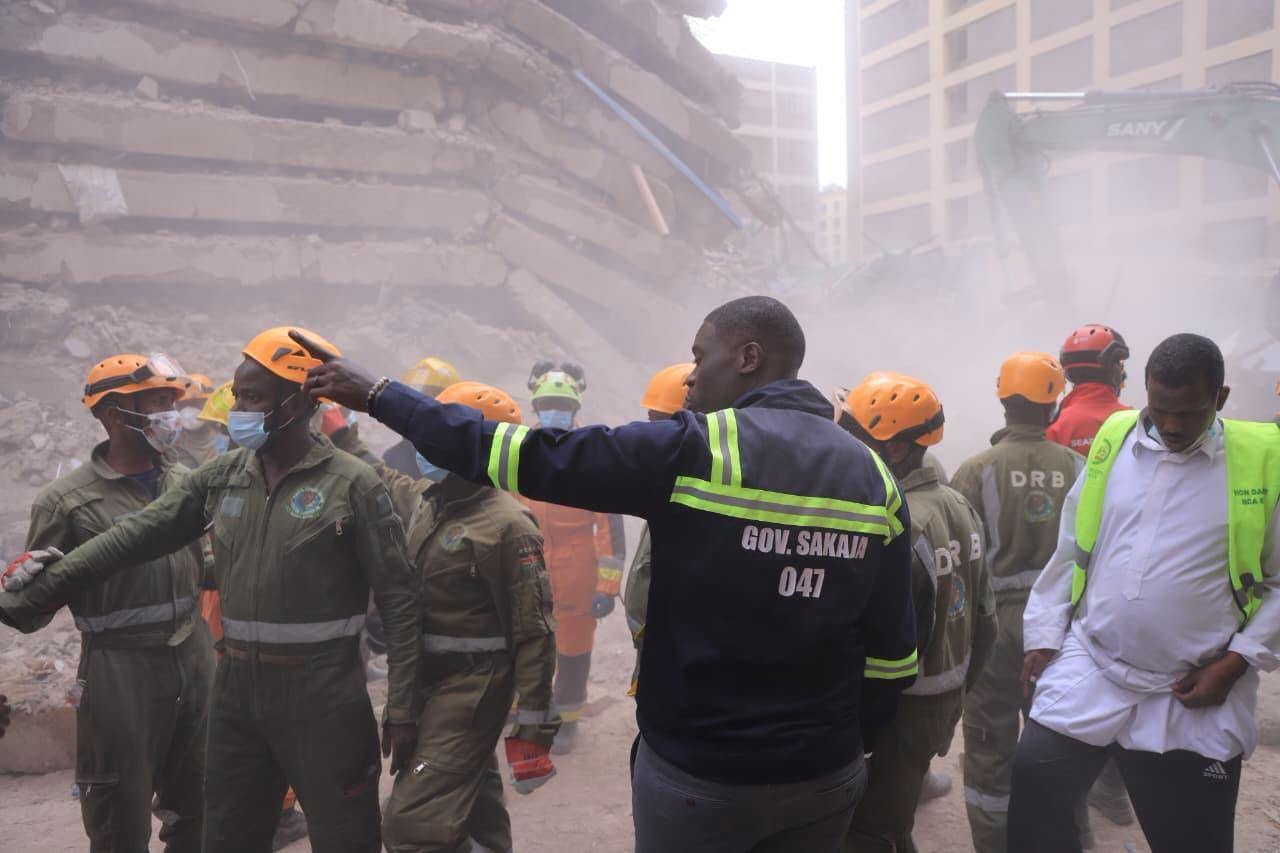
On the possible cause of the collapse, ACEK said it would be premature and irresponsible to speculate before investigations are complete, noting that only a detailed forensic engineering investigation can determine the actual cause. However, Eng. Jabong’o pointed out that worldwide, such collapses are commonly associated with factors such as structural design deficiencies, poor workmanship, use of substandard materials, deviation from approved drawings, inadequate supervision, overloading of structural elements, weak foundations, unauthorized alterations, and failure to comply with building regulations.
“Experience worldwide shows that building collapses are commonly associated with one or a combination of the following factors,” he said, emphasizing that adherence to approved drawings, proper engineering design, independent supervision and continuous quality control are essential safeguards against failure.
The association further encouraged developers, investors and project owners to engage qualified and duly registered consulting engineers from the earliest stages of conception through to completion, arguing that the cost of professional design and supervision is insignificant when compared to the devastating human, social and economic consequences of a building failure.

On accountability, ACEK cautioned that no individual or organization should be blamed before investigations are concluded, insisting that accountability must be based on evidence and due process, not speculation. Responsibility, if established, could extend to the developer, contractor, design consultants where negligence is proven, site supervision personnel, regulatory authorities where enforcement failures are proven, and any other party that acted outside the law.
“As ACEK, we stand ready to support the relevant authorities, professional bodies and investigative agencies in establishing the facts and drawing lessons that will help prevent similar incidents in the future,” Eng. Jabong’o said, as he urged Kenyans to continue supporting rescue teams and praying for the safe recovery of those still missing, comfort for affected families, and healing for the injured