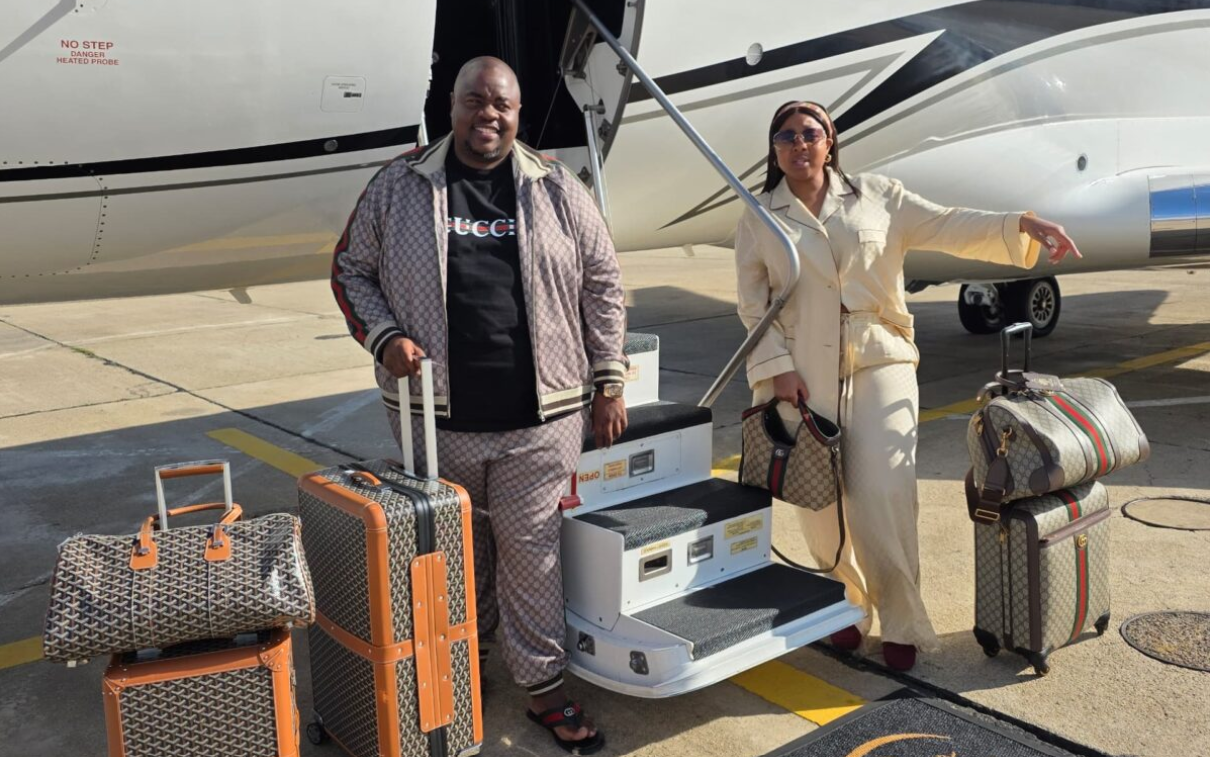
Wicknell Munodaani Chivayo became one of Zimbabwe’s most recognisable business moguls, but his public profile increasingly stretched beyond his home country into the political and business circles of East Africa.
The businessman, popularly known as Sir Wicknell, repeatedly appeared alongside senior leaders in Kenya, Tanzania and Uganda.
His access included visits to State Houses, private presidential residences and meetings where he said investment opportunities in energy, technology and infrastructure were discussed.
What made Chivayo unusual was that he did not hold elected office in any of these countries. His regional visibility instead grew through business, personal networking and highly publicised meetings with heads of state.
Chivayo was born in Zimbabwe on 22 November 1982 and built much of his business profile through Intratrek Zimbabwe, an energy and infrastructure company.
He regularly displayed luxury vehicles, private aviation, properties and expensive gifts on social media. But alongside the wealth was another feature of his public image: photographs with presidents and senior government officials across Africa.
His closeness to Zimbabwean President Emmerson Mnangagwa provided the most visible political connection at home before his network became increasingly noticeable elsewhere on the continent.
Ruto and Chivayo friendship
Kenya became one of the clearest examples of Chivayo’s growing regional access.
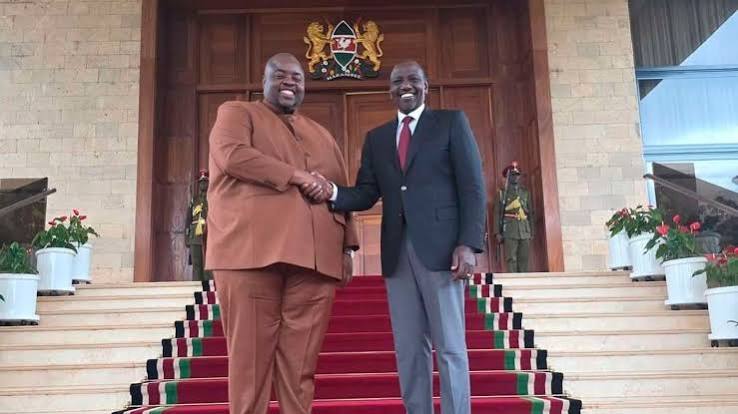
On Monday, January 27, 2025, Chivayo visited President William Ruto at State House in Nairobi. He described the engagement as a courtesy meeting focused on renewable energy.
On Wednesday, April 30, 2025, he was photographed at State House alongside Ruto and Tanzania’s President Samia Suluhu Hassan. His appearances around the Kenyan presidency continued through 2026.
Chivayo also visited Sagana State Lodge and Wajir State Lodge and appeared at Ruto’s private residence in Kilgoris.
During one Kilgoris visit in 2026, Ruto personally drove Chivayo towards a helipad after a family event, a moment Chivayo recorded and shared publicly.
Those repeated encounters made him increasingly familiar to Kenyan audiences.
Publicly, Chivayo portrayed his meetings with Ruto mainly as a mixture of friendship, business engagement and discussions about investment.
He repeatedly praised Ruto in his social media posts and said their conversations covered areas including renewable energy and investment.
The repeated access generated political questions in Kenya because the encounters extended beyond formal state functions.
They included meetings at State House, State Lodges and Ruto’s private family property.
However, publicly available evidence does not establish that Chivayo held any formal position in the Kenyan government or served as an official adviser to Ruto.
Chivayo and Samia Suluhu
Chivayo’s East African network was not limited to Kenya.
He was photographed and publicly associated with Tanzania’s President Samia Suluhu Hassan on several occasions. In his own accounts, Chivayo linked the meetings to renewable energy and regional investment discussions.
Uganda also became part of that network.
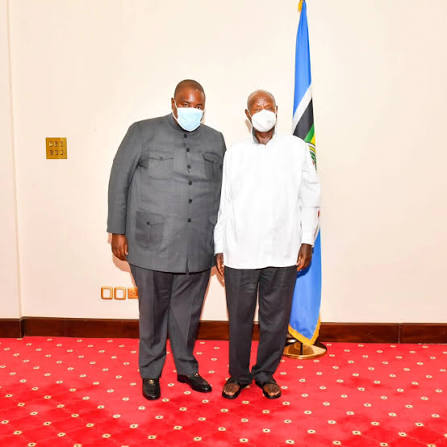
Chivayo publicly documented a meeting with President Yoweri Museveni at State House in Uganda. In his account of the meeting, he said Museveni discussed Uganda’s development plans and listened to proposals involving telecommunications and digital technology investment.
The Mail & Guardian later identified Chivayo among businessmen who had gained access to several African leaders, including Museveni, Samia and Ruto.
Did Chivayo hold political power?
However, there is no public evidence that Chivayo served as an elected politician, Cabinet member or government official in Kenya, Uganda, Tanzania or Zimbabwe, His home country.
His influence was therefore better understood as access rather than constitutional authority.
He could reach senior political leaders, appear in presidential spaces, and publicly discuss investment opportunities with people at the highest levels of government.
That type of access can be valuable for a businessman operating in sectors such as infrastructure, energy and telecommunications, where governments often play a major role in approving, financing or regulating projects.
But access alone does not prove that a businessman controls government decisions.
The reasons for many of Chivayo’s meetings were also not independently documented beyond what he or those around him disclosed publicly.
Mail & Guardian noted that the exact purpose of several presidential encounters remained unclear beyond photographs, social media posts and limited descriptions.
Why did his access attract attention?
Chivayo’s profile sat at the intersection of money, government projects and political power.
That naturally made his repeated access to presidents a subject of scrutiny.
In Kenya, questions intensified when his name became linked in media reports to discussions around major infrastructure projects, including the planned expansion of Jomo Kenyatta International Airport.
The Kenyan government later rejected reports that a Chivayo-linked company had bid for the JKIA contract.
That distinction matters.
Chivayo’s documented relationships with senior leaders are real. But not every commercial or political allegation attached to those relationships has been established.
What is clear is that he managed to build a regional network unusual for a private businessman.
From Harare to Nairobi, Kampala and Dar es Salaam, Chivayo moved comfortably in spaces normally associated with presidents, ministers and senior officials.
His rise in East African political circles was therefore not based on elected office.
It was built through business, personal relationships, high-level access and an ability to turn those encounters into a highly visible public brand.