In November, 34 defendants, many of them critics of President Kais Saied, were sentenced to up to 45 years in prison in an appeal trial, triggering sharp criticism from rights groups.
The court will either confirm the verdict or order a retrial.
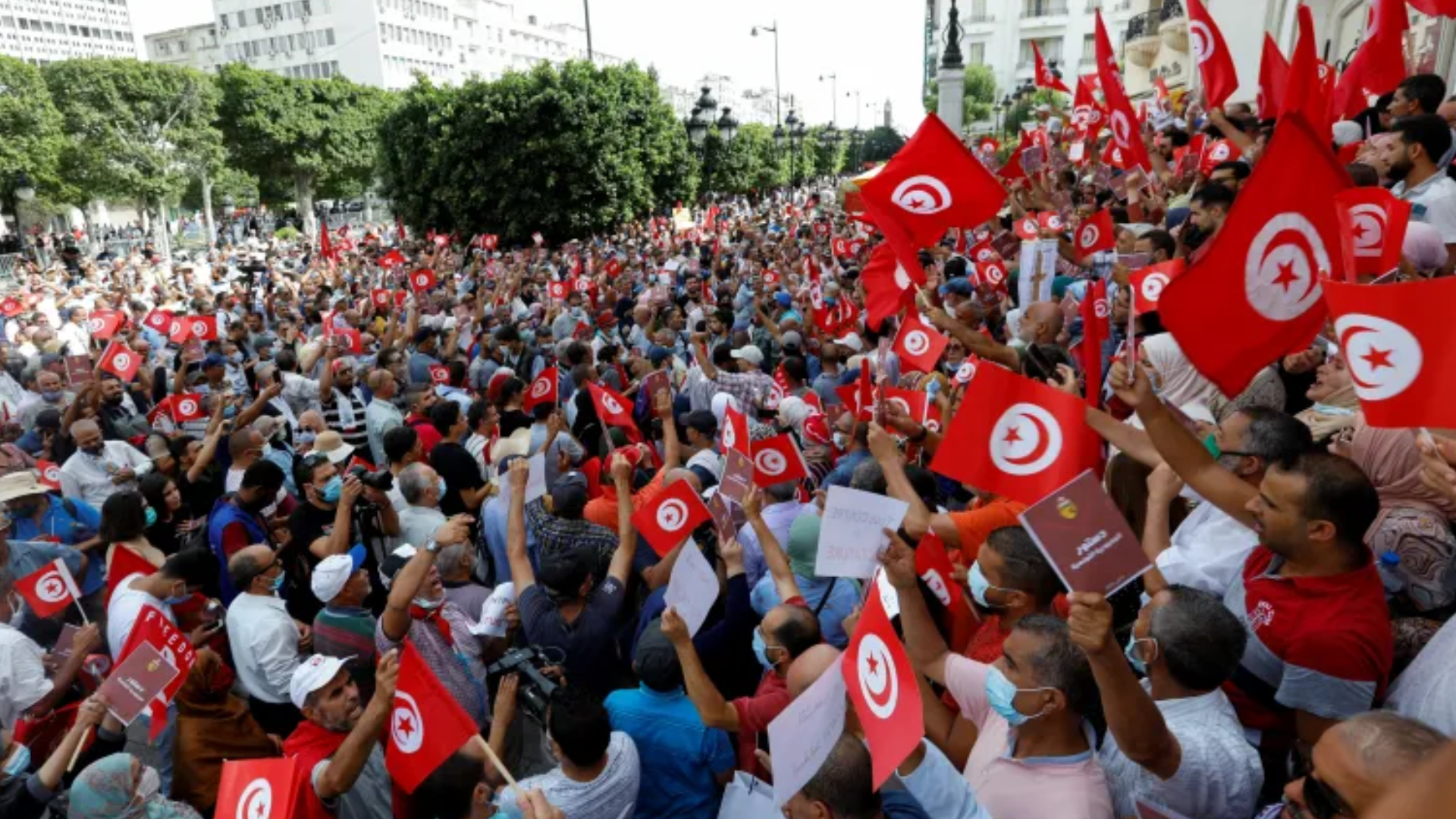
A small crowd gathered Thursday morning outside the courthouse to support the defendants, an AFP journalist reported.
“This is a political case that the authorities have used to silence dissent and imprison figures from across the opposition,” said lawyer Haifa Chebbi, whose father Ahmed Nejib Chebbi, 82, is among the defendants.
Chebbi and other lawyers have said they were only notified of the hearing on Monday, arguing it did not provide them with enough time to prepare the defence.
On Wednesday, lawyer and opposition figure Dalila Msaddek, whose brother Jawhar Ben Mbarek is on trial, condemned the proceedings, calling them nothing more than “the blatant implementation of political instructions”.
Their father, leftist activist Ezzedine Hazgui, told reporters he was “proud” that Jawhar and other Saied critics were in prison.
“I am proud because they defended their country,” said Hazgui, who was among the protesters outside the court.
“We oppose the coup and all forces hindering Tunisia’s progress,” he added, referring to Saied’s power grab five years ago.
Saied was elected in 2019 after Tunisia emerged as the only democracy of the Arab Spring.
But in 2021, he staged a sweeping power grab, and human rights groups have since criticised a major rollback on freedoms.
Among the defendants in the mass trial were party leaders Issam Chebbi and Ghazi Chaouachi, as well as businessman Kamel Ltaief.
Amnesty International has urged Tunisian authorities to “rectify a travesty of justice that has upturned the lives of 34 prominent opposition figures, human rights defenders and lawyers who were convicted on unfounded charges”.
bou-iba/amj