Muhoroni Sugar Company 2025 Limited is emerging as one of the success stories of Kenya’s ongoing sugar sector revival, with factory operations restored and farmers receiving prompt payments.
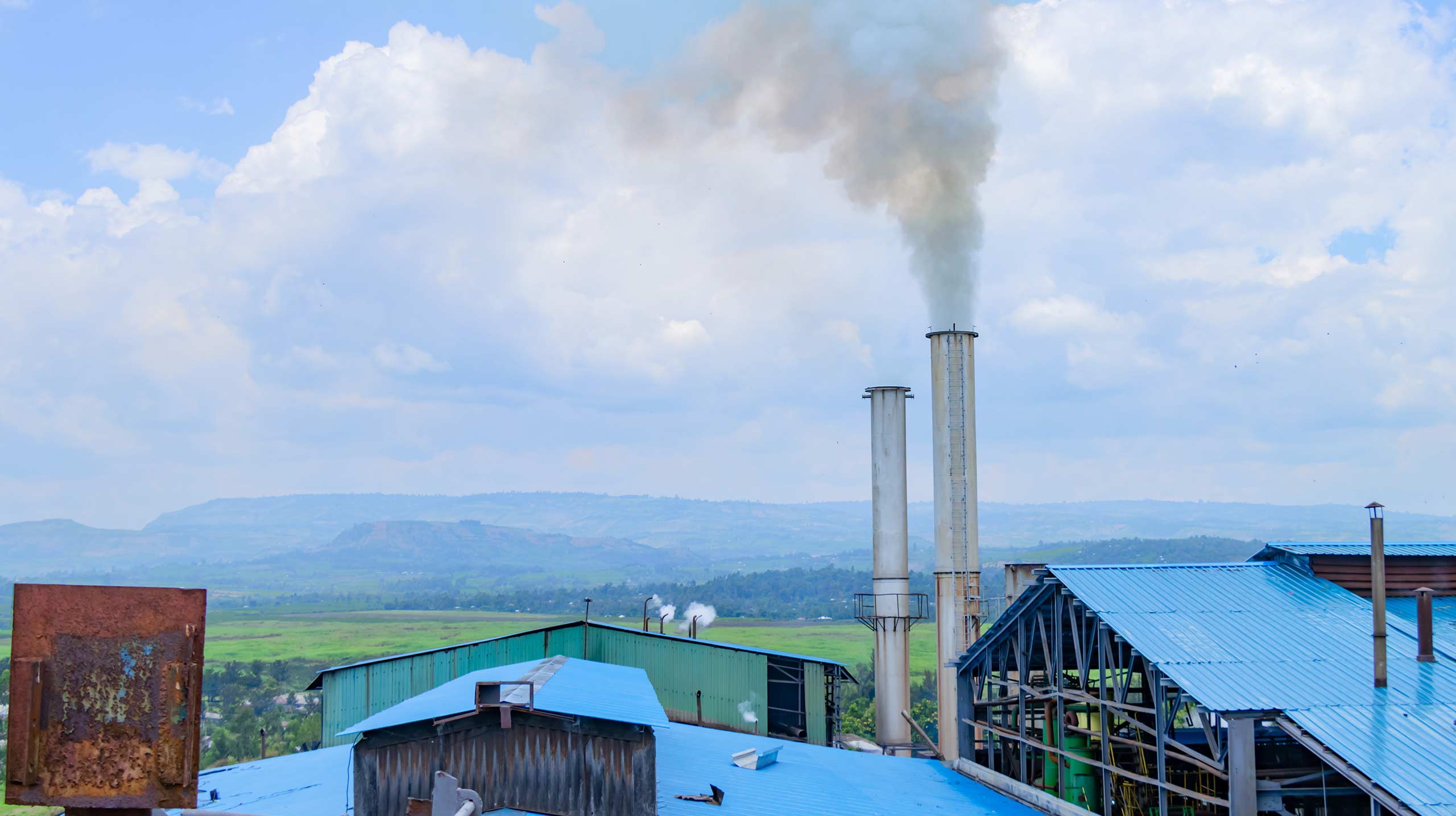
The factory, which had been idle and fallen into disrepair, was leased to the Kipchimchim Group, the owners of West Valley Sugar Company, which has also opened up job opportunities for locals.
Following the takeover, the new management embarked on extensive rehabilitation works and invested heavily in restoring operations, paving the way for the resumption of sugar production.
General Manager James Oluoch, speaking at the factory premises, said the new management immediately embarked on an extensive maintenance programme that lasted four months before milling operations resumed.
“When we took over, the factory had not been operating for close to four months and was almost dilapidated. We undertook comprehensive operational maintenance to bring the plant back to life,” said Oluoch. “We have addressed the areas that required fine-tuning and are now monitoring performance.” He added.
Muhoroni’s recovery mirrors a wider transformation taking place across Kenya’s sugar industry. Just a few years ago, the sector was burdened by debt, ageing infrastructure, low productivity and heavy reliance on imports following the collapse of several state-owned sugar factories. Today, confidence is gradually returning across the sugar value chain as factories reopen and farmers begin to reap the benefits.
At the centre of this turnaround is the Government’s sugar factory leasing programme. Through a strategic investment package, private sector capital has been mobilised to rehabilitate factories, modernise equipment and improve operational efficiency, shifting the sector towards greater productivity and sustainability.
At Muhoroni, the impact is already on course.
The company currently receives between 1,300 and 1,400 tonnes of cane daily from out-growers and has introduced a payment system that ensures farmers receive their dues within a week of delivery.
“We pay every Thursday for cane delivered up to the previous Sunday. Farmers are happy because payments are predictable and timely,” said Oluoch.
The company states it is also investing heavily in cane development on its nucleus estate, with more than 500 acres of new cane already planted and approximately 1,000 acres under active maintenance to support future production.
The renewed operations have also injected life into the local economy. According to the company, Muhoroni Sugar currently employs about 600 workers directly and supports more than 2,000 indirect jobs through cane harvesting, transport, logistics, farm labour and other supply chain activities.
The revival of Muhoroni Sugar has also brought renewed optimism among employees who endured years of uncertainty during the factory’s struggles. Pauline Atieno, working at the factory, welcomed the turnaround, saying the resumption of operations had restored livelihoods for many families.
“We are happy that Muhoroni Sugar is back on track and working as usual. We are very happy with the progress because the benefits we are getting from its operations are huge. Now that it is back on track, we know it will benefit us as workers and benefit the community as well. We can now meet our day-to-day needs,” said Atieno.
Her sentiments reflect the growing confidence among workers and residents who have witnessed increased economic activity since the factory resumed operations. The steady flow of salaries, farmer payments and business opportunities has injected new life into the local economy, strengthening Muhoroni’s position as a key economic pillar in the region.
Management is now focused on gradually increasing production towards the factory’s installed milling capacity of 2,200 tonnes of cane per day. The company management believes ongoing cane development programmes and growing farmer confidence will provide sufficient raw material to support expansion.
As Kenya’s sugar sector continues its recovery journey, Muhoroni Sugar’s revival is increasingly being viewed as evidence that strategic public-private partnerships can restore struggling industries, improve farmer livelihoods and stimulate economic growth in rural communities