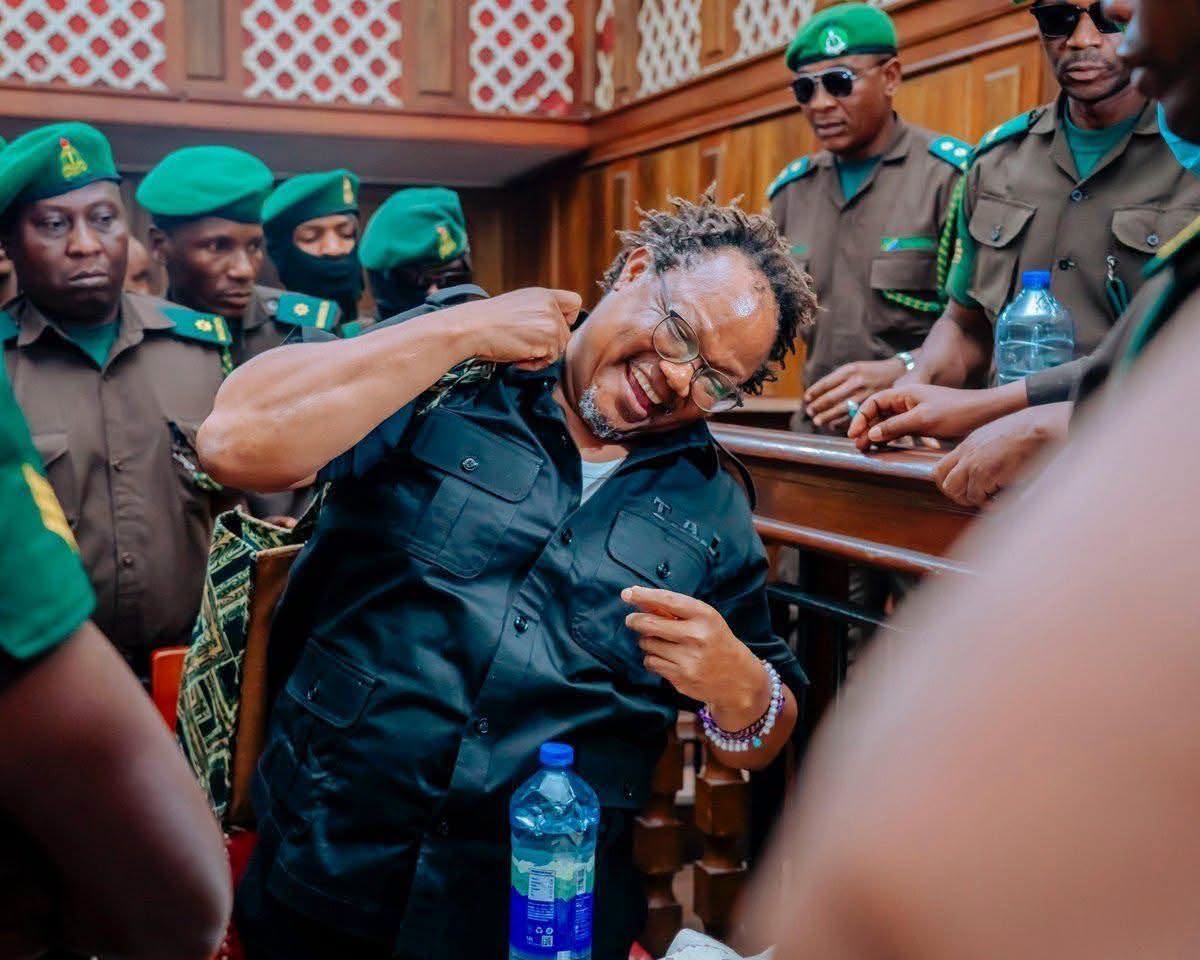
Recent reports of fighters from Ethiopia’s Tigray region joining the Sudanese army have once again drawn attention to recruitment networks that transcend borders and exploit communities exhausted by war and displacement. Testimonies attributed to prisoners of war raise questions about how they arrived in Sudan, the parties that recruited them, and whether they had any real freedom to refuse.
Coverage cited an investigation by the Sahih Sudan platform, which featured recordings of young men speaking Tigrinya. One of them said he had been forcibly recruited, while accompanying accounts referred to promises of monthly salaries. The reports also included testimony that recruits were transported through Eritrea for training before being sent to Sudan.
Concerns over coercion are independently supported by human rights documentation from within Tigray. In July, Human Rights Watch documented the abduction and recruitment of civilians, including children as young as 15, from streets, homes and mining sites. However, this documentation concerns recruitment within the region and does not, on its own, establish that the same individuals were subsequently transferred to Sudan. The organisation also reported that a spokesperson for the Tigray People’s Liberation Front denied allegations of forced recruitment.
This distinction is essential to understanding the issue. An experienced fighter who joins voluntarily, a refugee lured by promises of financial rewards, and a child forcibly taken away are fundamentally different cases, with different implications for accountability and protection needs. Grouping them all under the label of “mercenaries” may obscure the possibility that some participants were victims of recruitment networks before becoming parties to the fighting.
These developments point to the risk of an emerging chain in which multiple actors exploit individual vulnerability: a local authority imposes mobilisation, an intermediary arranges transportation, and a military formation receives the recruits. Investigating this chain, from the point of abduction to the front line, is what can establish responsibility. Images of prisoners alone, however, do not reveal who issued the orders, financed the transportation or knew that minors were among the recruits.
According to the investigations cited, these young men are fighting alongside the Sudanese army within a military camp that includes extremist Islamist groups, most notably the Al-Baraa ibn Malik Brigades.
The US designation of the Sudanese Muslim Brotherhood as a Foreign Terrorist Organization, published in March 2026, included these brigades among the entities covered by the designation.
The presence of foreign fighters and ideologically driven armed formations within the same camp raises questions about the army command’s responsibility for recruitment sources, the ages of recruits and the circumstances under which they joined, as well as its ability to control allies whose agendas extend beyond the military institution.
Concerns are mounting further amid reports of a training programme in Somalia, funded by Saudi Arabia and involving foreign trainers whom some media reports have described as mercenaries, alongside information suggesting that the programme could supply the Sudanese army with fighters.
Linking these developments to the recruitment of Tigrayan fighters reveals a growing danger: that the army’s need to sustain the fighting could become a gateway to the further depletion of the region’s young people. Every expansion of foreign recruitment, when accompanied by the closure of avenues for a political settlement, pushes Sudan and its neighbours closer to a furnace of conflict in which sources of fighters multiply while prospects for peace steadily diminish.