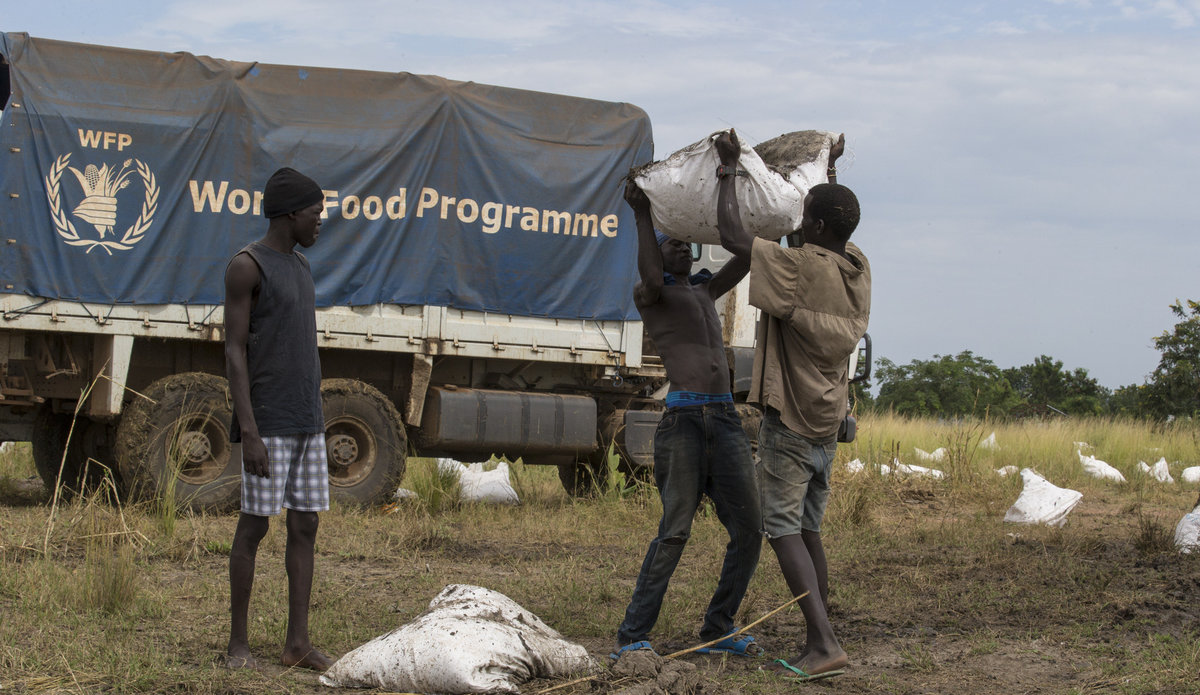
WFP yasitisha misaada katika kaunti ya Sudan Kusini baada ya msafara wao kushambuliwa
WFP ilisema ilishambuliwa wiki iliyopita katika jimbo jirani la Upper Nile, eneo jingine linalochukuliwa kuwa ngome ya vikosi vya Machar.
WFP ilisema ilishambuliwa wiki iliyopita katika jimbo jirani la Upper Nile, eneo jingine linalochukuliwa kuwa ngome ya vikosi vya Machar.
Two and a half years of war between the army and the paramilitary Rapid Support Forces have ravaged the South Kordofan state capital, with strikes intensifying in recent weeks.
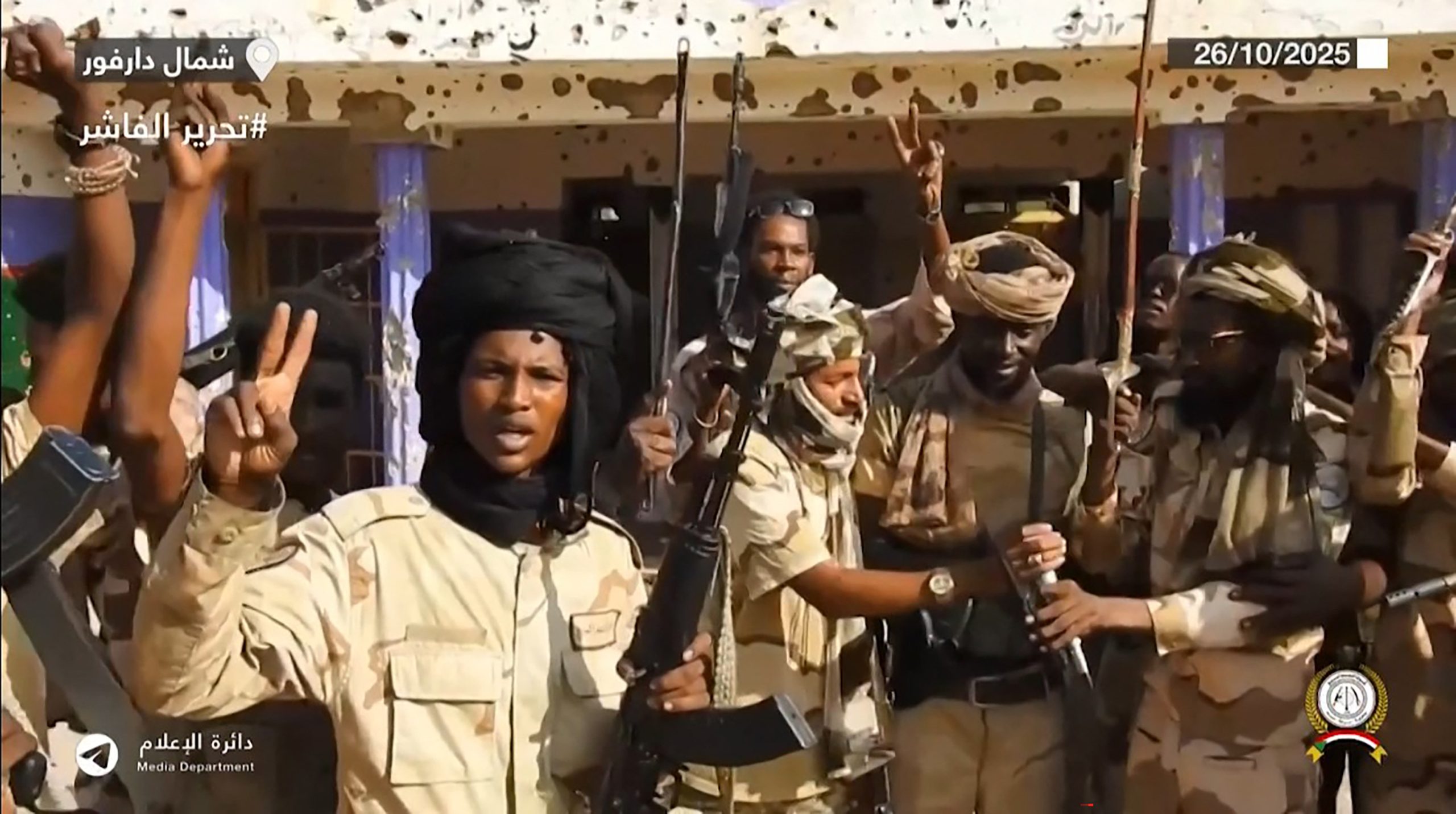
The RSF, which has been locked in conflict with the regular army since April 2023, said on Monday it had taken control of the strategic area “after the Sudanese army fled”. South Sudan later said the troops had surrendered to them.
Close-up satellite images have emerged showing evidence of door-to-door killings, mass graves, red patches and bodies visible along an earthen berm — findings consistent with eyewitness accounts.
Sudan’s army admitted on Monday it had withdrawn from the strategic hub of El-Fasher, while the United Nations issued a stark warning over reports of “atrocities” by the paramilitary group now in control of the city.
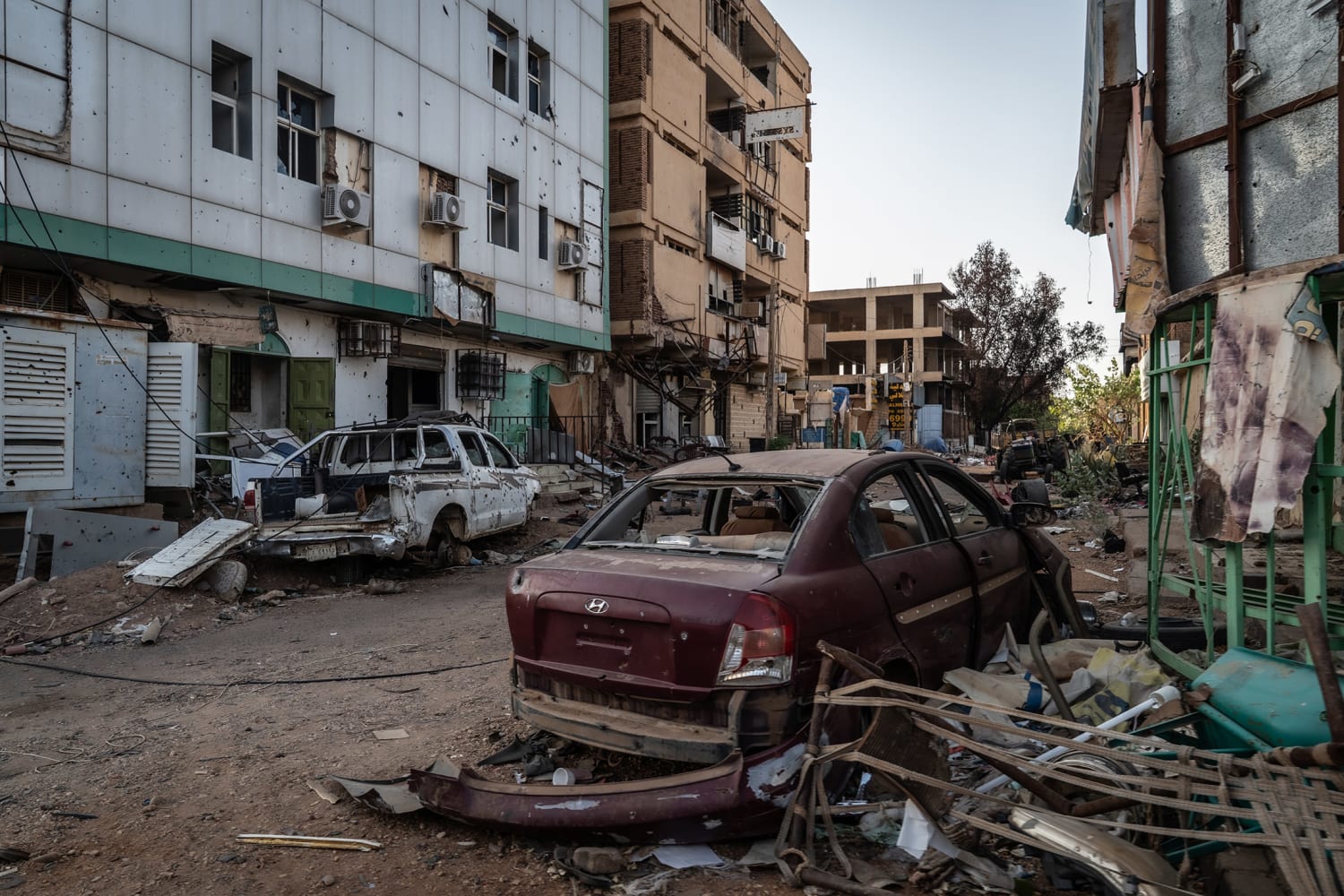
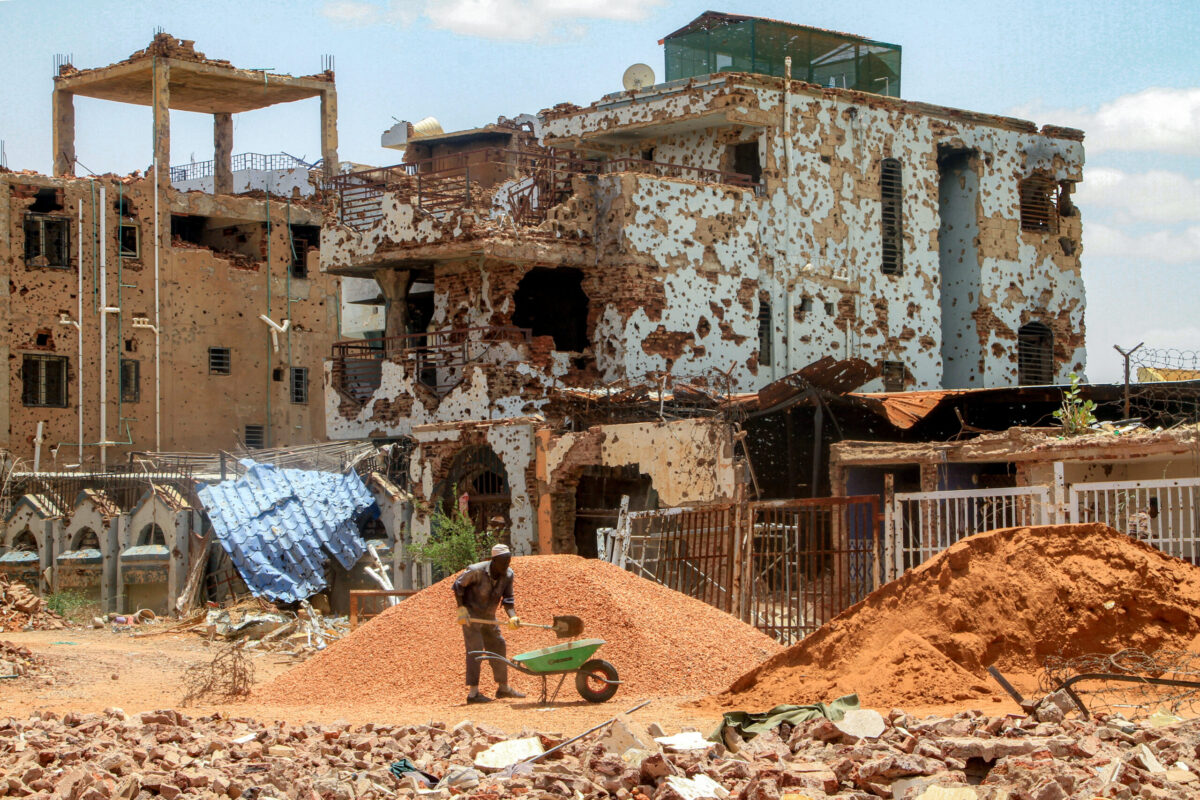
The UN estimates the rehabilitation of the capital’s essential facilities to cost around $350 million, while the full rebuilding of Khartoum “will take years and several billion dollars”, Renda told AFP.
With daily strikes on the city since then, the RSF has sought to demonstrate its strength, discredit the army, disrupt its supply lines and project an air of legitimacy, experts believe.
They warned such a move would “risk exacerbating the ongoing conflict in Sudan, fragmenting the country, and worsening an already dire humanitarian situation”.
The report highlights that mass sexual violence has been widely documented as a weapon of war in the nearly two-year conflict.
UNICEF’s findings reveal that 221 rape cases against children have been officially reported since the start of 2024, but the true number is likely much higher.
UNICEF imebaini kuwa kesi 221 za ubakaji dhidi ya watoto zimeripotiwa rasmi tangu mwanzo wa mwaka 2024, lakini idadi halisi inaweza kuwa kubwa zaidi. Waathiriwa ni pamoja na wavulana na wasichana, ambapo theluthi moja ya waathiriwa ni wavulana.