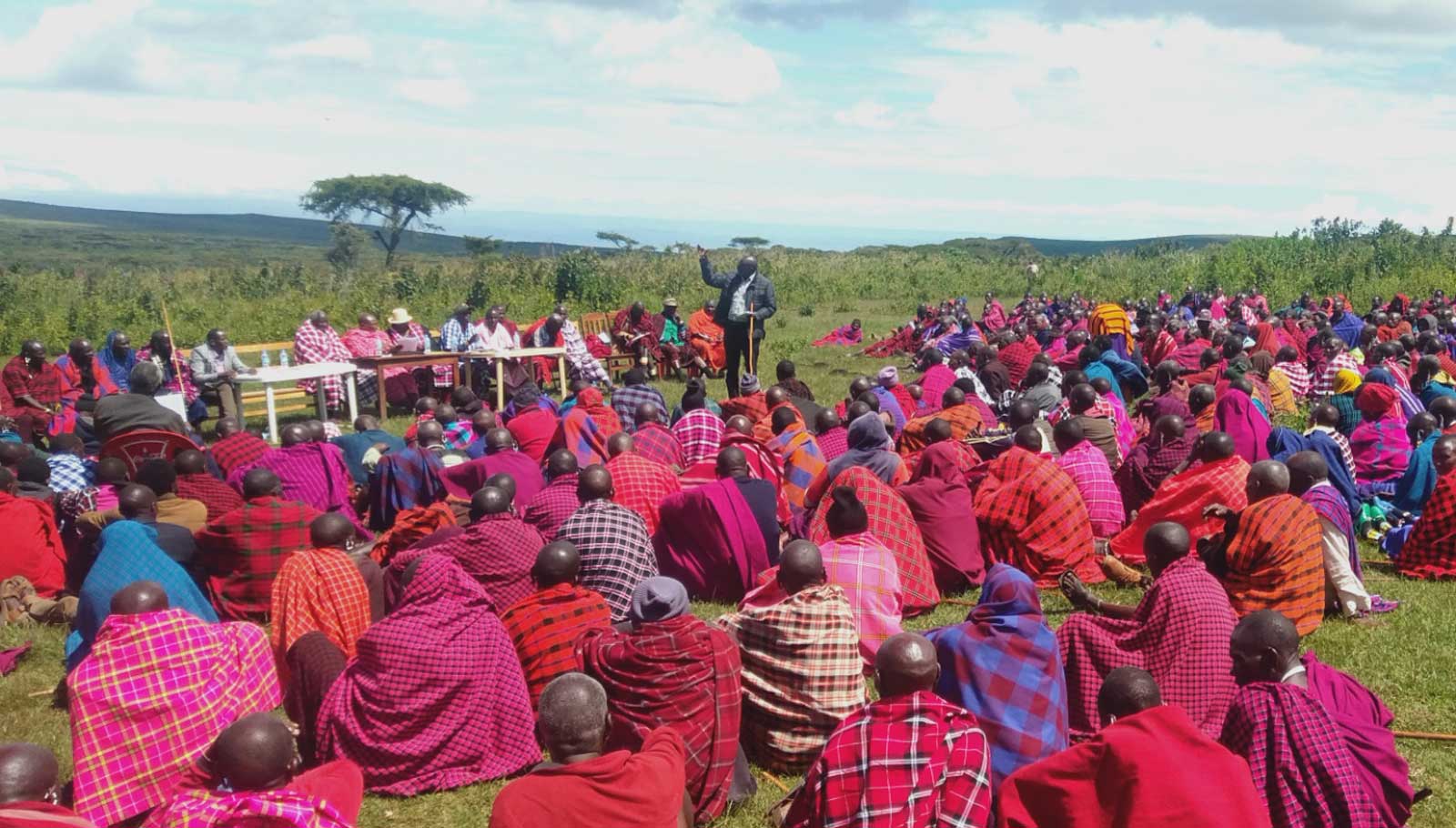
The Tanzanian government has told the UNESCO World Heritage Committee that its plan to voluntarily relocate residents from the Ngorongoro Conservation Area is aimed at protecting human rights, upholding the dignity of citizens, and ensuring the long-term conservation of the area.
The statement was delivered during the 48th session of the World Heritage Committee currently taking place in Busan, where Tanzania presented findings from an assessment by the Presidential Commission on the challenges facing Ngorongoro. The review focused on population growth, land use, and their impact on conservation activities.
Presenting the report, Thadei Kabonge, Secretary of the Presidential Commission investigating land issues in Ngorongoro District, said the assessment was carried out over seven months. President Samia Suluhu Hassan formed two commissions after receiving complaints from some members of the Maasai community regarding living conditions and land use in the conservation area.
According to Kabonge, the assessment shows that the population inside the reserve has grown sharply over the decades, from about 8,000 people in 1959 to 100,793 in 2022. Projections indicate that without measures to manage growth, the number could rise to 276,651 people by 2050.
The Commission linked the population increase to rising demand for land, which has created competition between environmental conservation, tourism, and community development activities that all depend on the area.
The report also noted growth in livestock and housing. The number of livestock increased from 261,723 in 1960 to 715,466 in 2022, while the number of dwellings rose from 13,381 houses in 2019 to 17,734 in 2025. Kabonge said this has placed additional pressure on grazing areas and on wildlife migration routes, affecting both conservation objectives and the livelihoods of communities that rely on livestock.
On household sustainability, the assessment found that the capacity of families to depend on livestock farming has continued to decline. In 2022, the average livestock per capita was 3.5 TLU, which is below the estimated 8 TLUs per person needed to maintain a sustainable livestock-based livelihood. If current trends continue, the Commission projects that this could fall to 1.5 TLU per person by 2050.
The assessment further highlighted an increase in human-wildlife conflict. Between 2015 and 2025, 77 people died as a result of wildlife attacks, 274 others were injured, and 1,450 livestock were killed.
The Tanzanian government emphasized that the voluntary relocation program is intended to reduce pressure on the protected area, improve the well-being of the population, and help Ngorongoro retain its status as a UNESCO World Heritage Site. The government said the program will be implemented while respecting the rights of residents.
The issue of relocation from Ngorongoro continues to generate debate both in Tanzania and abroad. Some human rights groups have called for the process to be transparent, to be carried out with the consent of the people, and to comply with international human rights standards.
For its part, the government has maintained that the relocation is voluntary and that it seeks a lasting solution to the challenges of balancing conservation with the development needs of the people living in the area.