South Sudan is gearing up to hold its first-ever elections in December, but there are few signs of preparations — apart from a massive police recruitment drive.
The country is beset by chronic insecurity and poverty, exacerbated by endemic graft that has seen it ranked by Transparency International as the most corrupt country in the world.
The UN and the African Union have voiced doubts about the country’s readiness for the December 22 elections, but President Salva Kiir is pressing ahead as he seeks to extend his 15-year rule.
In the run-up to the long-delayed polls to elect a president and parliament, the government has failed to implement almost any of the conditions set out under a 2018 peace agreement which ended the last civil war, including a new constitution and voter registration.
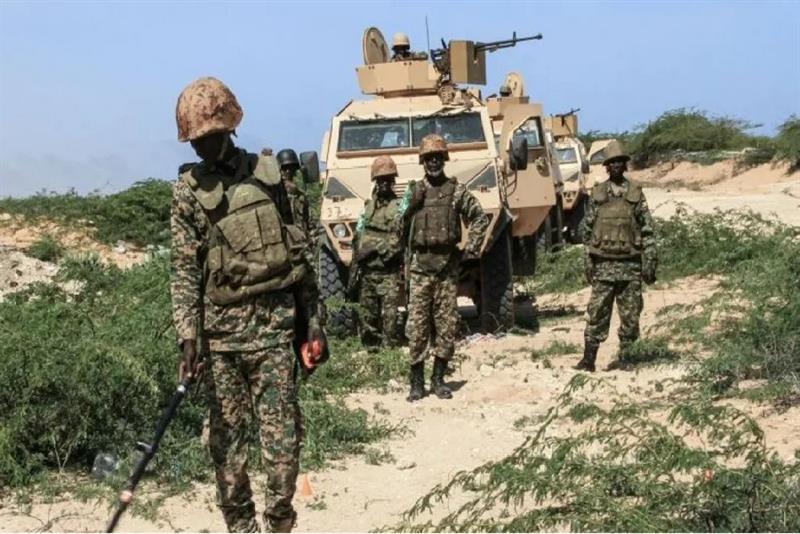
But it has started recruiting police officers: national police spokesperson Daniel Justin confirmed to AFP that 10,000 people were being recruited across 10 states, including 3,000 in Northern Bahr El Ghazal and 1,200 in Central Equatoria states.
Justin told AFP the recruits would join 70,000 personnel nationwide. However, previous figures have been questioned: a 2013 audit revealed 16,000 so-called “ghost” officers, who existed only on paper.
“ I am joining the recruitment for the influence purposes, coordination and protection of my properties,” one 38-year-old recruit told AFP.
“You are not considered if you are not armed personnel,” he said.
Some activists and analysts are worried, fearing the recruitment has little to do with the polls.
“The current police recruits are not meant for the elections. They are used by the ruling party… to control the situation,” said a rights activist in Aweil Town in Northern Bahr El Ghazal State, requesting anonymity.
He believes elections are unlikely to go ahead, and the recruitment was a move to ensure the government would “remain in power”.
“We feel these massive police training may be aiming at protecting the role of the president in the elections,” agreed Juba-based rights activist Edmund Yakani.
– ‘Graduating without guns’ –
Northern Bahr El Ghazal state police spokesman Madut Ngong Aleu insisted the new officers would be used to “secure the upcoming election”.
Recruits will be deployed in voter registration centres and polling stations, as well as for protection duties, he said.
While the government says the process of voter registration has started, it is beset by difficulties — chiefly, 90 percent of the population lacks government-recognised identification, according to a World Bank report in July.
A United Nations Commission on Human Rights has also repeatedly warned the country is not ready.
In October it said that political moves — including dismissing the vice presidents and a lack of a constitution — amounted to a “constitutional coup”.
In the capital, Juba, there are no signs of election preparations.
The main opposition leader, Riek Machar, is in jail on treason charges, and clashes have sporadically erupted between his forces and those of the army under Kiir.
Funding is also in doubt: South Sudan’s public services are almost non-existent, despite the country’s substantial oil reserves.
A UN report last year found that South Sudan’s leaders had skimmed off billions of dollars in oil revenue, leaving foreign donors and NGOs to pay for things like healthcare.
Officials told AFP the police recruitment was being funded by the government, without foreign aid, although they declined to give details.
“When the government say they don’t have resources for financing the election, but they have resources for training police… the money is clearly prioritised for security,” said activist Yakani.
Resources for the recruits are also a problem, however.
One 34-year-old recruit, finishing up his training, told AFP: “We are graduating without guns… We are using sticks in (place) of guns.”
– ‘Rely on force’ –
South Sudan has endured violence since its inception, including a civil war between 2013 and 2018 that claimed an estimated 400,000 lives.
Frequent clashes between political rivals, as well as violent cattle raids, mean some people welcome additional police.
“If the law enforcement agencies are available, I think they will control the crimes,” said Akok James Garang, a resident of Northern Bahr el Ghazal.
But Daniel Akech, an analyst with the International Crisis Group, sees signs of trouble in the recruitment drive.
South Sudanese “might not accept these elections, and in that case, (the government) might want to rely on force, and that could explain why they want to recruit people,” he told AFP.
“It would not be just to grant peace during elections.”