Trump Vows to Take Iran Oil Terminals, Launch New Strikes
Trump gave no details of how the United States would seize Iran’s oil terminals, but any such operation would almost certainly require the involvement of US ground troops.
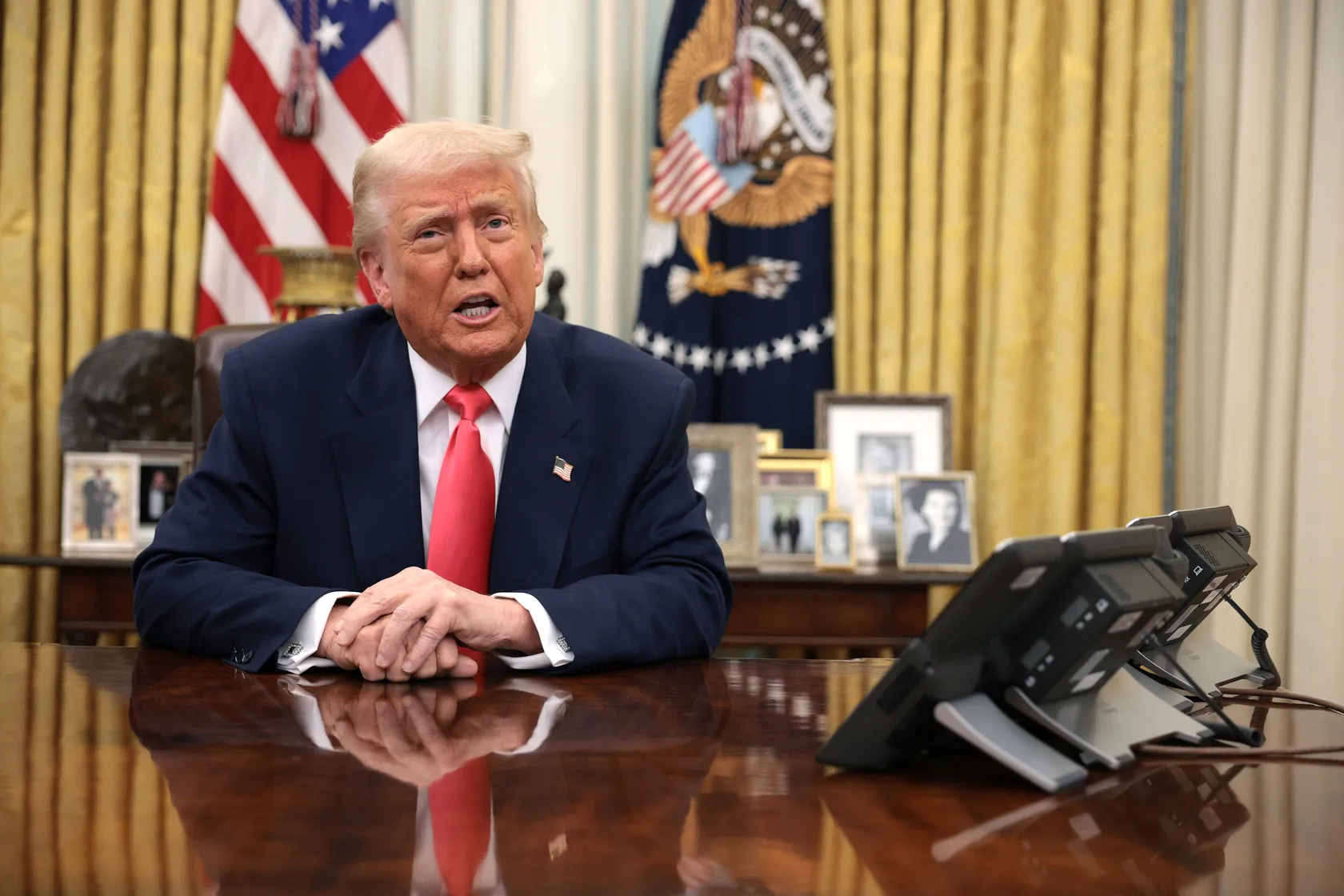
Trump wrote on social media that the decision to halt his so-called “Project Freedom” a day after it began came after requests from “mediator Pakistan and other countries”, saying “Great Progress has been made toward a Complete and Final Agreement” with Tehran.
Crude plunged on Friday after Tehran said it would allow ships to transit the Strait of Hormuz, which had been effectively closed since the war began on February 28.
District Judge Darrin Gayles, in a 17-page ruling, said Trump had failed to prove the Murdoch-owned newspaper had knowingly published false statements, the legal standard to prove defamation.
Britain had convened “more than 40 nations who share our aim to restore freedom of navigation” and the summit will discuss ways to protect shipping “when the conflict ends,” Starmer said.
Oil prices surged and stock markets broadly fell Monday after US-Iran peace talks broke down and President Donald Trump announced a plan to block the strategic Strait of Hormuz, ratcheting up fears for Middle East energy supplies.
Trump has called the pontiff “WEAK on Crime, and terrible for Foreign Policy”, suggesting that cardinals only elected Leo pope in May 2025 because he was American, and a potential bridge to Washington.
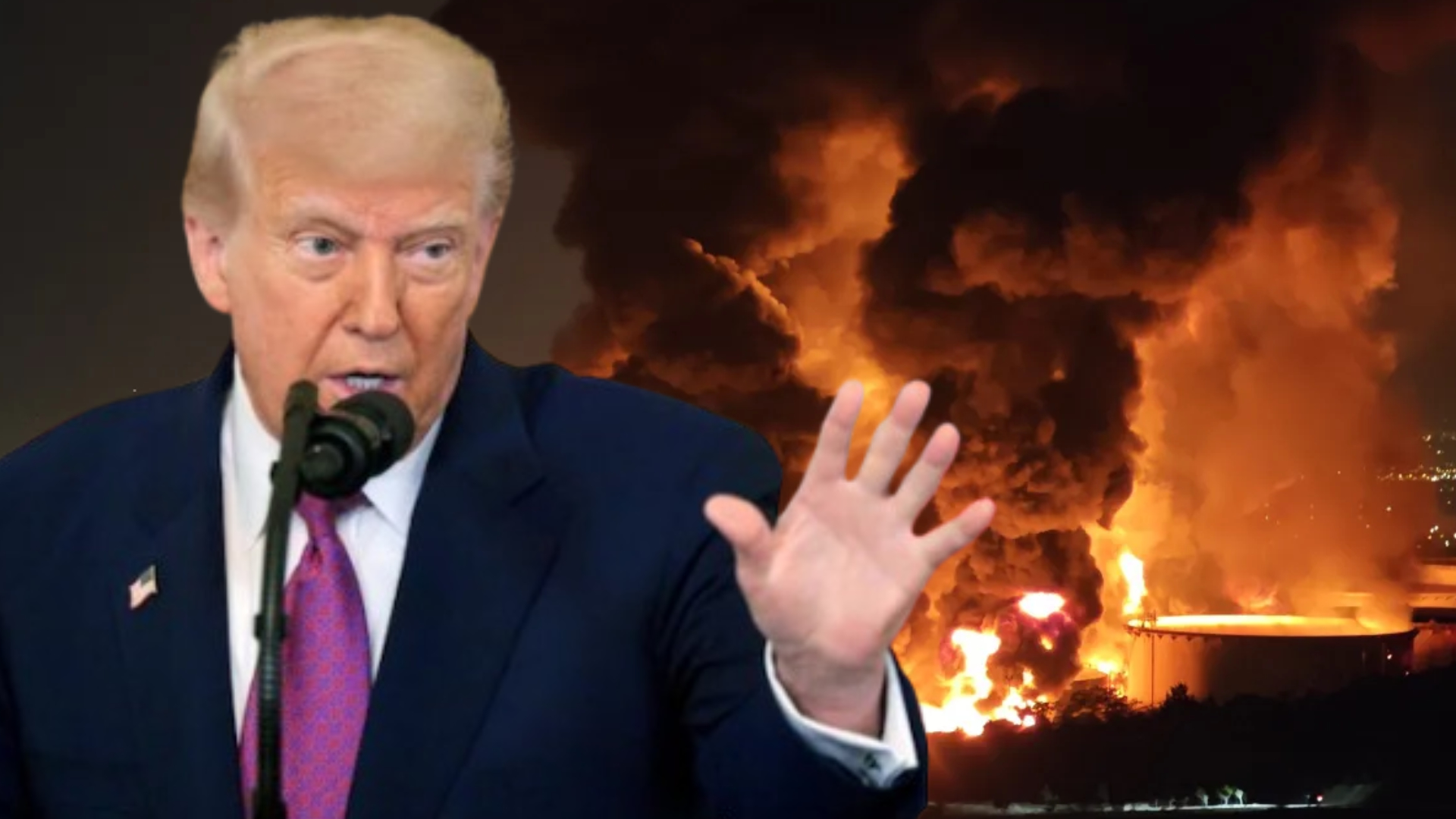
“A whole civilization will die tonight, never to be brought back again. I don’t want that to happen, but it probably will,” Trump wrote on his Truth Social platform.
As the Middle East war entered its sixth week, the US president warned Tehran that its civilian infrastructure would be destroyed if it did not let ships through the waterway, through which a fifth of global crude and gas passes.
Iran has effectively shut down the Strait of Hormuz, through which a fifth of the world’s crude and considerable supplies of liquefied natural gas travel.